


- 1 What is VSN and why the brain suffers
- 2 Brain artery stenosis and other causes of the syndrome
- 3 Dizziness and headache in VBN
- 4 Hearing and vision disorders with insufficient blood circulation
- 5 Other symptoms of vertebrobasilar insufficiency
- 6 An appointment with a doctor to diagnose cerebral vessels
Vertebrobasilar insufficiency (VBN) – a violation of the blood supply to the brain, which leads to its oxygen starvation. It is most often caused by vascular pathologies, their narrowing or squeezing. If such violations bother for a short time, it is a reversible condition. However, the symptoms of VBN can not be ignored, according to statistics, this pathology increases the risk of stroke by 30%.
What is VSN and why the brain suffers
Vertebrobasilar insufficiency occurs against the background of impaired blood circulation in the vessels of the brain, especially in the vertebral artery. The main blood supply to the head is provided by the carotid artery, but the vertebrae also have a lot – up to 35% of all incoming blood. And its pathologies affect the brain.
Previously, it was believed that this is always a reversible state, ie symptoms occur sporadically, and ischemia does not lead to neuronal damage, as, for example, in stroke. Today, neurologists take VBN more seriously. First, according to statistics, it increases the risk of transient ischemic attacks, which can affect the brain. Secondly, permanent, even minor circulatory disorders affect the functions of neurons and over time can lead to irreversible changes in brain matter. That is why the signs of vertebrobasilar insufficiency can not be ignored, with the slightest violations you need to make an appointment with a neurologist for a consultation.
Previously, vertebrobasilar insufficiency was diagnosed mainly in adults. But now it is established that often such a violation worries children and adolescents. At this age, patients often outgrow VBN, but if the symptoms are pronounced, not reduced, you will definitely need medical help.
Brain artery stenosis and other causes of the syndrome
The main cause of VBN – affected vessels of the brain. Stenosis can be caused by the following factors:
- Congenital anomalies in the development of vertebral arteries. This is the main cause of cerebrovascular disorders in children.
- Atherosclerosis. It is most common in patients older than 40 years.
- Deformities of the spine. The vertebral artery passes through the bony canal, and if there is an osteophyte (growth) or herniated disc, they compress the vessel.
- Subluxation of the cervical vertebrae.
- Thrombosis.
- Stratification of the walls of blood vessels, as a result of which their lumen is reduced.
- Neck muscle spasm.
Poor blood supply is provoked not only by vascular stenosis. Sometimes normal blood flow is hampered by the following factors:
- Diseases that lead to blood clotting.
- Vasculitis.
- Diabetes.
- Hypertension.
- Neck or spine injuries.
Dizziness and headache in VBN
When the vessels are constricted, the brain does not receive enough oxygen, at first it most clearly affects the work of the vestibular apparatus. Therefore, the first and most common manifestation of VBN is dizziness. It worries about attacks that can occur for no apparent reason and last from a few minutes to 2-3 hours.
Depending on the severity of ischemia, dizziness may be intermittent or systemic, sometimes occurring daily. If for some reason vertebrobasilar insufficiency worsens, for example, atherosclerosis progresses or a herniated disc increases, the attacks will occur more often and last longer. Moreover, against the background of severe dizziness, additional symptoms will occur:
- Nausea, sometimes vomiting.
- Sweating.
- Headache.
- Impaired coordination of movements.
- Disorientation in space.
Hearing and vision disorders with insufficient blood circulation
Squeezed vessels of the brain often lead to impaired vision and hearing, less often – cause speech problems. Symptoms increase against other signs of ischemia, and disappear when normal blood circulation is restored.
At VBN visual disturbances often arise:
- Photopsia – the appearance of moving points (flies in front of the eyes), flashes, sometimes large dark spots.
- Scotoma is a partial loss of vision that patients often describe as an area in front of the eyes, closed by a wall.
- Impaired motor functions of the eyes, which occurs when the brainstem – strabismus, nystagmus.
- Diplopia – duplication of images.
Hearing problems increase if the cerebellum and brain stem are affected as a result of VBN. Patients complain of the following ailments:
- Hearing loss.
- Tinnitus.
- Feeling of ear congestion, loud sounds.
Hearing and vision disorders in most cases do not occur in isolation, but together. Moreover, they often accompany dizziness attacks. In severe insufficiency, temporary complete deafness or blindness may occur.
Other symptoms of vertebrobasilar insufficiency
Along with the above symptoms, an attack of VBN may be manifested by the following problems:
- Numbness of the fingers or the area around the mouth.
- Feeling tired.
- Increased blood pressure.
- Increased heart rate.
- Sharp weakness in the legs, the patient may even fall.
- Hallucinations.
In severe cases, a person may lose consciousness and sometimes fall into a coma. As a rule, such complications do not occur immediately. They are preceded by many attacks due to increasing symptoms.
An appointment with a doctor to diagnose cerebral vessels
If there is any suspicion of circulatory disorders in the vessels of the brain, a doctor’s appointment for diagnosis is required. Deterioration of health should not be ignored, as VBN can lead to severe stroke.
The neurologist prescribes the main examinations:
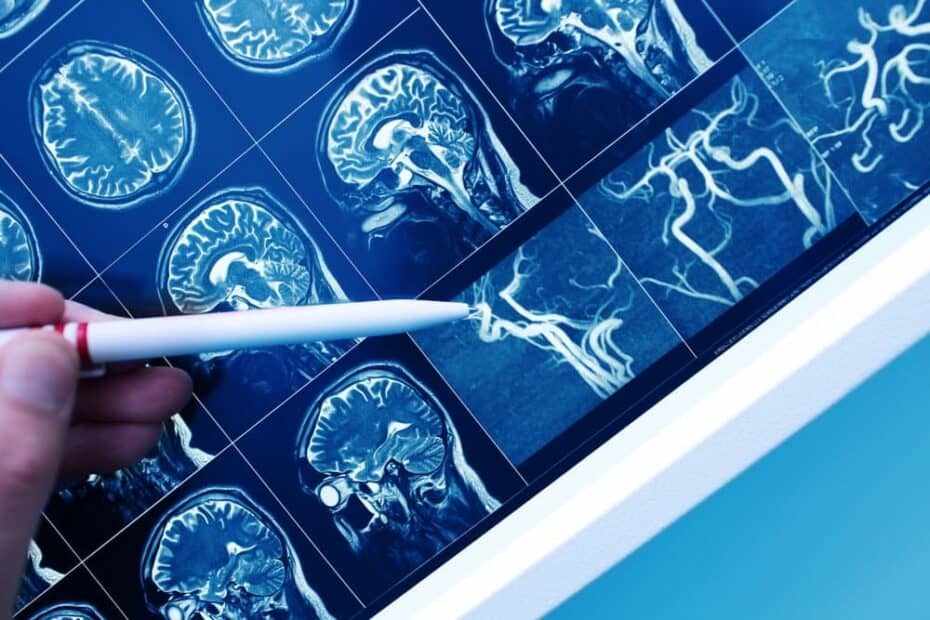
- Magnetic resonance imaging and computed tomography.
- Cervical angiography.
- Duplex ultrasound scanning of blood vessels.
- Radiography.
- Blood tests: general, biochemical, lipid profile (important for confirmation of atherosclerosis), coagulogram (assessment of blood clotting and density).
For additional diagnosis, the neurologist may refer for consultation to doctors of other specialties – cardiologist, chiropractor, surgeon.
