


There are eight different types of filamentous nematodes that cause filariasis. In most cases, it occurs with the participation of the parasite Wuchereria bancrofti (Bancroft’s filament).
In addition to Bancroft’s filament, the disease can also be caused by parasites of the species Brugia malayi and Brugia timori. These parasites cause lymphatic filariasis.
Infection with filariasis, transmission of infection
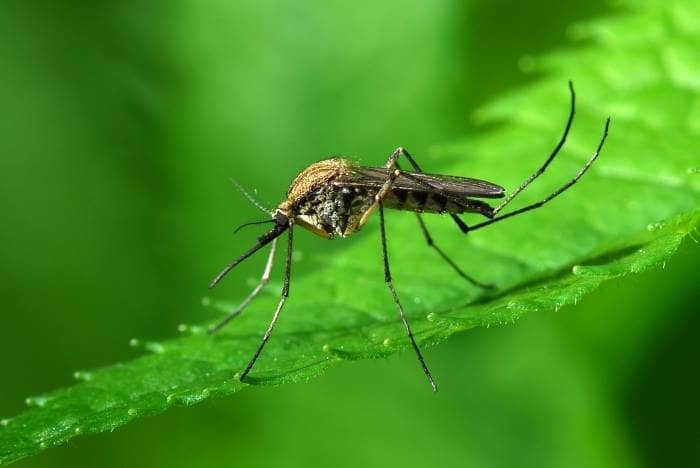
The disease is transmitted from person to person through a mosquito bite. When a mosquito bites a person with lymphatic filariasis, microscopic worms circulating in the person’s blood infect the insect. Healthy people get lymphatic filariasis by being bitten by an infected mosquito. Microscopic worms, along with mosquito saliva, penetrate the victim’s skin and then enter the lymphatic vessels. They grow in the lymphatic vessels. The adult worm lives about 5-7 years. When adults mate, they release millions of microscopic worms into human blood, called microfilariae. Thus, the disease is transmitted from an infected person to an insect and then from an insect to a healthy person.
Forms of filariasis
Depending on the area that is damaged by worms, filariasis can take three different forms.
- Lymphatic filariasis (elephant limb). Affects the lymphatic system and lymph nodes. Pathogens – Bancroft thread, Brugia malayi and Brugia timori.
- Subcutaneous filariasis (Suffers subcutaneous tissue and nearby tissues). This type of infection is caused by Loa Loa (eye worm).
- Serous cavity filariasis (the disease is localized in the abdominal cavity). Its causative agents are the parasites Mansonella perstans and Mansonella ozzardi.
Filariasis is not life-threatening, but it causes significant damage to the lymphatic system. The disease does not cause any symptoms at the initial stage. Thus, most people do not know they are sick. Lymphedema with thickening of the skin and nearby tissues is a classic symptom of filariasis.
Filariasis is usually diagnosed by directly detecting the parasite in skin or blood samples. The main symptoms begin to appear after the death of worms in the body.
Symptoms of filariasis
Symptoms of lymphatic filariasis (elephantiasis):
- edema with thickening of the skin and subcutaneous tissue (classic symptom of elephantiasis). It usually affects the lower extremities. However, the vulva, breasts in women and the perineum in men can also suffer from this symptom.
- swelling of the limbs, chest or genitals can increase them several times.
This is due to blockage of lymphatic vessels.
Symptoms of subcutaneous filariasis:
- rash;
- hyper or hypopigmented macules;
- river blindness (symptom of onchocerciasis).
Symptoms of serous filariasis:
- stomach ache;
- rash;
- arthritis;
- appearance of pigmented macula.
Up to 70% of infected people in the early stages of the disease do not experience any unpleasant symptoms. Usually, when infected in childhood, the symptoms of the disease begin to appear in humans in adolescence or adulthood. Because filariasis is extremely rare in developed countries, the patient may initially be misdiagnosed. To avoid this, patients with suspicious symptoms will learn the history of travel and stay in unusual places.
The acute form of the disease is characterized by the sudden onset of fever, lymph node soreness, and false bacterial lymphadenitis. The skin usually becomes dry, flaky. In men, inguinal lymph nodes, testicles and spermatic cord become inflamed. Women may experience swelling of the perineum and chest.
Rare manifestations of infection include the following:
- arthritis;
- calcification of the breast in women (extremely dangerous and painful condition);
- endomyocardial fibrosis;
- peripheral neuropathy;
- pleural effusion;
- retinopathy.
If the worm enters the respiratory system, the patient experiences constant chest discomfort, coughing up blood and fever.
Treatment of filariasis, prevention
Swelling of the extremities leads to the fact that the patient looks ugly, the swelling is quite noticeable and is not eliminated by aids. Diethylcarbamazine (DEC) is used to treat the disease.
Diethylcarbamazine kills microfilariae and has no effect on adult worms. Thus, the drug only helps to control the transmission of infection from one person to another. May produce an allergic reaction in some patients. Ivermectin or albendazole may be helpful for some patients.
Lymphedema or elephantiasis is not an indication for treatment, because with such symptoms a person is not necessarily infected with filariasis. Targeted treatment can be started only on the basis of laboratory tests that confirm the infection. Even after adult worms die, lymphedema can develop.
DEC is not prescribed to patients with onchocerciasis because it may aggravate the symptoms of eye disease. The drug causes serious side effects, including encephalopathy and death. Ivermectin, like DEC, kills only microfilariae, not adult worms.
The drug doxycycline also kills adult parasites (dosage 200 mg / day for 4-6 weeks).
The progression of lymphedema can be prevented as follows:
- thoroughly wash swollen areas with soap and water every day;
- keep the limbs in a raised position while sitting, move more to improve lymph flow;
- treat any wounds. If necessary, use antibacterial or antifungal creams;
- good hygienic care of the affected part of the skin prevents the development of secondary bacterial infections.
The main prevention measure is to prevent the bites of any insects, especially mosquitoes.
You can prevent mosquito bites in the following ways:
- use aerosols; mosquito creams, mosquito nets;
- wear clothes made of dense fabric with sleeves and long pants;
- use essential oils and repellents indoors.
- sleep under a mosquito net during the stay in endemic filariasis;
- in the period after sunset, pay special attention to the uniform application of ointments or creams against insects.
