




The subfamily of onions from the Amaryllis family consists of many (or more precisely, 16) genera that have spread throughout the Earth and all continents (excluding Australia and cold Antarctica). The special distribution and wide variety of species of this family can be found in the Mediterranean, in the Caucasus and in Central Asia – i.e. areas characterized by high dryness.
This family includes almost a thousand plant species (leeks, garlic, wild garlic and many others, well known to almost everyone), which are successfully used not only in cooking, but also in folk medicine.
Types of onion plants
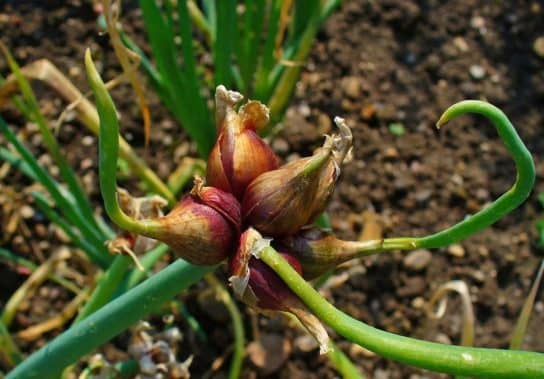
Tiered bow
This type of onion is called Horned or viviparous – and such a hybrid vegetable crop is excellent for growing in cool times, for example, in early spring. He comes presumably from Asia (China), although among many of his nicknames (Chinese) did not take root. And the plant got its nickname because of several tiers of arrow-peduncles, on which tiny aerial bulbs are located.
Branch onion


This is a plant that successfully combines all the properties of both onion and garlic. Usually, it is customary to eat its leaves with a characteristic onion-garlic aroma, although all parts of this plant are considered edible – even the arrows, which are most often pickled.
Although compared to other onion plants, branchy onion is a thermophilic crop, but in the presence of snow it is quite capable of tolerating frost.
Leeks
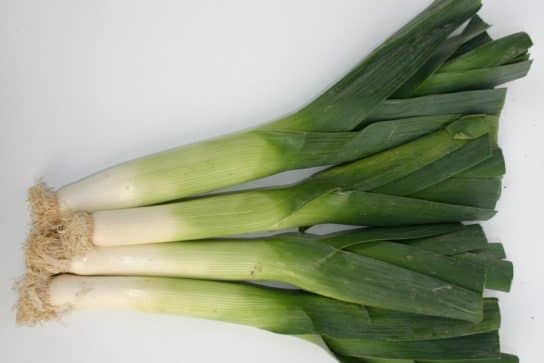

Leek is native to Asia, but the Mediterranean still has its wild form – the grape onion. He was well known in many countries of antiquity – Egypt, Rome and Greece. And it was the leek that got the name for the poor asparagus.
Bear onion (wild garlic, wild garlic)


Its better known name is wild garlic, and this plant is often grown even as a garden plant. Wild garlic is an ancient medicinal plant that was already known to the Romans. And here it is just a delicious culinary addition to many dishes.
Onion slide
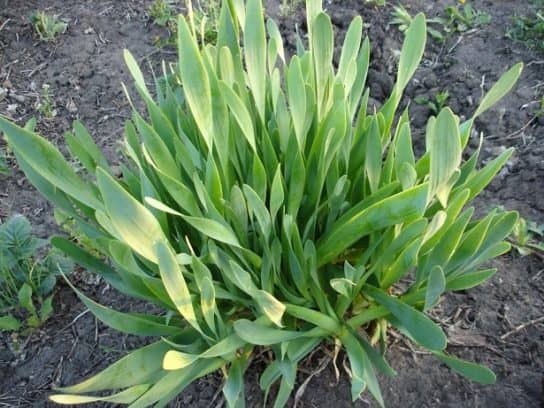

The leaves and bulbs of this plant are often used as a salad, vegetable, and spice addition to many dishes. Its greens have a pleasant slightly chalky aroma (moderately spicy), and it does not coarse until the autumn frosts. Moreover, such an onion can be easily grown on a windowsill – and its beautiful leaves are ideal for decorating dishes.
Onion-batun
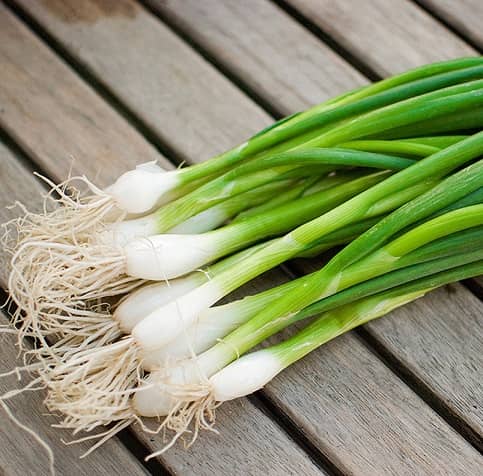

Another name for this bow – Tatar or fisty bow (sometimes it is also called Chinese) indicates that Asia is clearly its homeland. This theory is also confirmed by the fact that it is found in the wild only in China, Japan and some regions of Siberia. Usually this culture is grown for the green leaves-feathers, which have a softer taste than the usual onion.
Chives
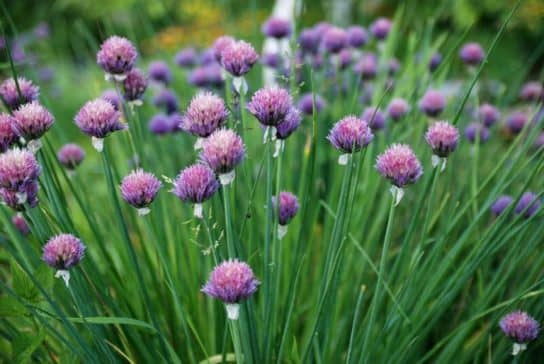

Its homeland is considered to be the countries of Europe – and this culture can often be found in damp floodplain areas. It is customary to grow it as not only a vegetable, but also an ornamental plant – after all, chives flowers are very bright and can be used as a border plant, and dried inflorescences will perfectly fit into any winter bouquet.
Shallots
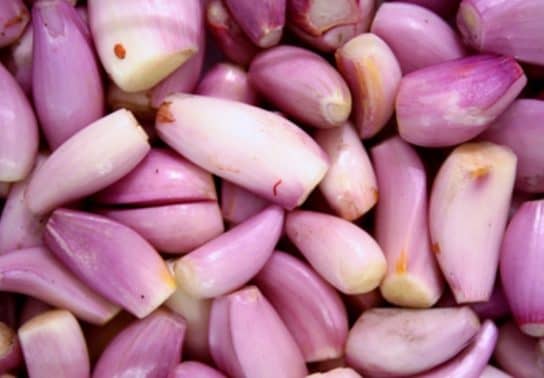

Its other name – Ashkelon, or Old Believers’ bow – speaks of its origin from Asia Minor. Today, this culture is common in the Caucasus and Western Europe – as a rule, young leaves are eaten together with tiny shallots, which can give any dish an exquisite taste and a very unusual aroma.
Onion
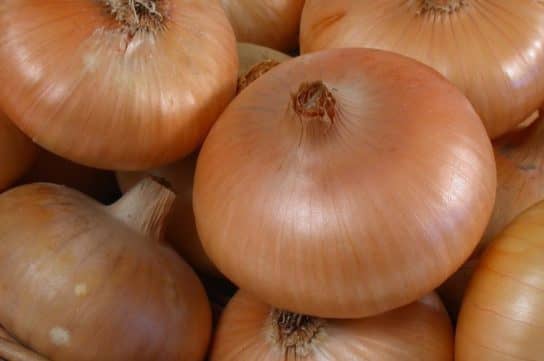

The most famous type of onion, which is used not only in cooking, but also in the canning industry. Most often it is consumed even raw, or added to a wide variety of culinary products. This culture is already more than five thousand years old – and today many of the most diverse varieties of this plant have been bred.
Garlic
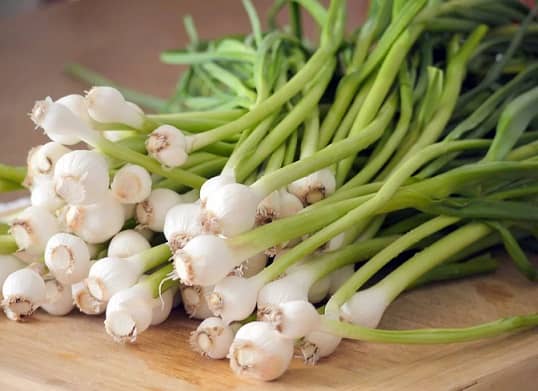

Everyone’s favorite garlic comes from Central Asia, and it was domesticated in the mountains of Tajikistan, Afghanistan and Iran. Moreover, science has confirmed that this culture is derived from the long-pointed onion. Its demand both in cooking and in medicine is very high due to the various unique properties of garlic.
Conclusion
Almost all onion crops have a very high nutritional value. This vegetable contains a large amount of essential oils and glycosides – and it is this nuance that determines such a level of phytoncidal properties and antibacterial capabilities of onions, not to mention the incredible and unforgettable taste and aroma of this plant.
The onion contains not only vitamins (A, B, E, H and others), acids (panothenic and folic), but also many other substances necessary and valuable for the body. It is these characteristics that made onions a universal remedy – both for diseases and for hunger.

