


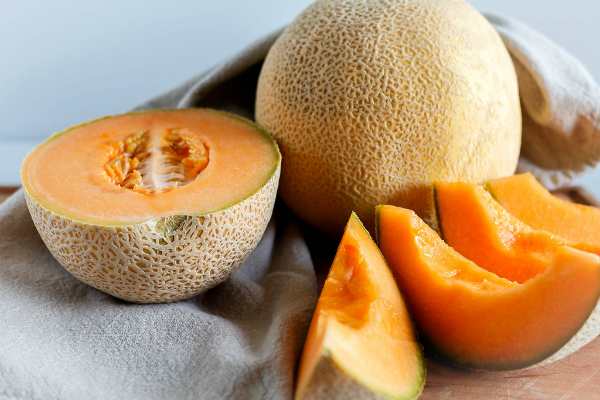


Cantaloupe is a type of sweet melon that is high in beta-carotene. Also known as cantaloupe. In addition to beta-carotene, it contains other nutrients.
The most popular melon in the United States. Aromatic, with delicious taste, suitable as a dessert, an ingredient in smoothies, cocktails, salad.
What is cantaloupe melon
Cantaloupe is a member of the Pumpkin family. Latin name Cucumis melo var. Cantalupensis.
It is assumed that it comes from the eastern part of modern Turkey, from where it was taken to Europe in the 15th century and presented to the Pope. The head of the Catholic Church liked the taste of the melon and the seeds of the plant were sent for cultivation to the pope’s estate called Cantalupia. Hence the name of cantaloupe.
Fruits are small in size, no more than 15-20 centimeters in diameter and rarely weighing more than 1 kilogram.
The rind is yellowish brown or pale orange in color. Covered with a convex mesh. Ribbed or smooth, depending on the variety.
The color of the flesh ranges from orange-yellow to salmon. Soft and juicy with a sweet, musky aroma that best comes out in ripe fruits. In the center is a hollow cavity filled with small seeds.
Beneficial features
The cantaloupe melon, like other members of the family, has a lot of water. Contains:
Proteins;
- Carbohydrates;
- Sahara;
- Cellulose;
- Vitamins: C, A, K, E (mainly in seeds);
- B vitamins: riboflavin, niacin, pyridoxine, pantothenic acid, folates;
- Salts of minerals: potassium, calcium, magnesium, manganese, zinc, copper;
- Antioxidant compounds: lutein, zeaxanthin, cryptoxanthin.
100 grams of pulp contains 43 kilocalories.
One cup of diced melon (approx 155 g) provides:
- 13 g carbohydrates;
- 12 g of sugar;
- 1.4 g fiber;
- 1.3 g protein;
- 112% of the RDA for Vitamin A
- 95% vitamin C;
- 1% calcium;
- 2% iron.
- 5% vitamin K, niacin, vitamin B-6, folate, magnesium and potassium.
Antioxidants have the ability to protect cells and other structures in the body from free radicals and therefore provide protection against certain types of cancer.
Zeaxanthin, a carotenoid, protects the retina from ultraviolet radiation. Like beta-carotene, lutein and zeaxanthin prevent age-related macular changes, which is beneficial for the elderly.
Beta-carotene lowers cholesterol levels and reduces the risk of heart disease.
People who consume large amounts of certain nutrients are less likely to develop asthma. One of these ingredients is beta-carotene, which is found in yellow and orange fruits, including cantaloupe.
Melon contains a large amount of potassium, which:
- Improves memory and concentration;
- Prevents edema;
- Supports heart function;
- Reduces blood pressure;
- Speeds up metabolism.
Cantaloupe is a low-calorie product, you can eat without remorse.
Benefit for health
Eating fruits and vegetables has long been associated with a reduced risk of many lifestyle diseases. Many studies show that eating plant-based foods such as melons reduces the risk of:
- Obesity;
- General mortality;
- Diabetes;
- Heart disease.
Supports health:
- Digestive system;
- Eye;
- Of cardio-vascular system;
- Skin and hair.
Cantaloupe, due to its water and electrolyte content, refreshes on hot days and prevents dehydration.
How to choose and store
Due to the dense rind, it is often difficult to assess ripeness. You need to choose the one that weighs more for its size.
The rind should be firm, not shiny, but not dull either. No damage, stains that may indicate deterioration.
Store in a cool place. Chopped – in the refrigerator. Melon shelf life is 2-3 weeks after harvest. After a month and a half, it loses its taste and aroma.
What to cook
Most of them are eaten fresh. Add to fruit salads, smoothies. Combines with ice cream and custard.
They make preparations for the winter:
- Jam;
- Juice;
- Jam;
- Candied fruits.
Rinse thoroughly with a brush before use, as pathogenic bacteria, including listeria and salmonella, can persist in the ribbed surface for a long time.
Contraindications and possible harm
Cantaloupe is a food product. The only contraindication is individual intolerance.
Should be limited:
- People with diabetes and obesity;
- Women who are breastfeeding due to the risk of allergy in the newborn.

