


- 1 Understanding Malaria: A Parasitic Intruder
- 2 Global Impact: A Vicious Cycle of Poverty and Disease
- 3 Challenges in Control and Eradication
- 4 Advancements in Research and Interventions
- 5 Toward Eradication: The Path Ahead
- 6 Global Collaboration: A Prerequisite for Success
- 7 Conclusion: A Malaria-Free Future


Malaria, a centuries-old disease that has plagued humanity, continues to exert its deadly grip in many parts of the world. Despite significant advances in medical research and public health interventions, malaria remains a major global health concern, causing millions of deaths and debilitating illnesses each year. This article delves into the biology of malaria, its impact on society, ongoing efforts to combat the disease, and the road towards its eventual eradication.
Understanding Malaria: A Parasitic Intruder
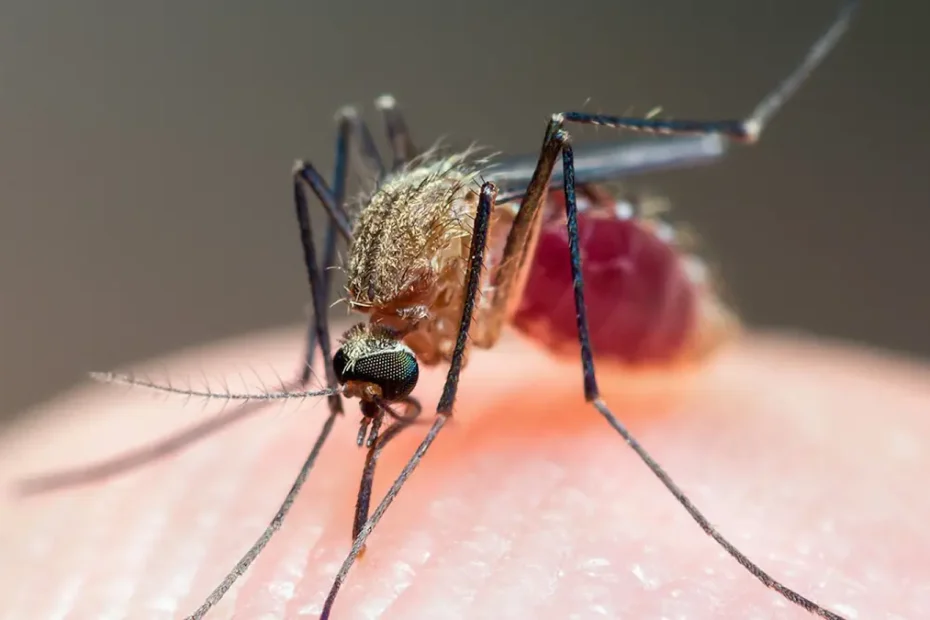
Malaria is caused by Plasmodium parasites, transmitted primarily through the bite of infected female Anopheles mosquitoes. The parasites belong to the Apicomplexa phylum and exhibit a complex life cycle, involving both human and mosquito hosts. When an infected mosquito bites a human, it injects sporozoites (an early stage of the parasite) into the bloodstream. These sporozoites travel to the liver, where they multiply and develop into merozoites, which are released into the bloodstream, causing the characteristic fever and other symptoms associated with malaria.
The disease’s severity depends on several factors, including the species of Plasmodium involved, the individual’s immunity, and the timeliness of diagnosis and treatment. Plasmodium falciparum is responsible for the majority of severe malaria cases and deaths, particularly in sub-Saharan Africa, while Plasmodium vivax, Plasmodium ovale, and Plasmodium malariae are also contributors to the disease burden.
Global Impact: A Vicious Cycle of Poverty and Disease
Malaria’s impact extends far beyond its immediate health consequences. It exacts a heavy toll on economies, particularly in low-resource settings where the disease is endemic. Malaria-related healthcare expenses, lost productivity, and decreased educational attainment contribute to a cycle of poverty and limited development opportunities. Pregnant women and young children are especially vulnerable, as malaria can lead to maternal anemia, low birth weights, and cognitive impairments in children.
Sub-Saharan Africa bears the brunt of the malaria burden, with a majority of cases and deaths occurring in this region. However, the disease is not limited to Africa; it is endemic in parts of Asia, the Middle East, and Latin America as well.
Challenges in Control and Eradication
Efforts to control and eliminate malaria are hindered by a combination of biological, socioeconomic, and logistical challenges. The ability of Plasmodium parasites to rapidly evolve resistance to antimalarial drugs is a persistent hurdle. This has led to the need for constant adaptation of treatment strategies and the development of new drugs.
The Anopheles mosquitoes that transmit malaria are also adept at adapting to changing environments, making vector control measures such as insecticide-treated bed nets and indoor residual spraying less effective over time. In addition, the lack of adequate healthcare infrastructure in many endemic areas makes it difficult to ensure timely diagnosis and treatment.
Advancements in Research and Interventions
Despite the challenges, there have been significant advancements in the fight against malaria. The development of artemisinin-based combination therapies (ACTs) revolutionized malaria treatment, providing a highly effective means of combating the disease. Innovative approaches to vector control, including the use of genetically modified mosquitoes and the exploration of new insecticides, hold promise for reducing malaria transmission.
Furthermore, investments in research have yielded insights into the genetics of both the Plasmodium parasite and the Anopheles mosquito, leading to a deeper understanding of their biology and potential vulnerabilities. This knowledge is crucial for the development of novel interventions.
Toward Eradication: The Path Ahead
Eradicating malaria presents an ambitious but attainable goal. The World Health Organization’s Global Malaria Program has outlined a strategy with key milestones for achieving malaria-free status in various regions. This strategy involves a combination of intensified efforts in vector control, expanded access to diagnostics and treatment, and the development of novel tools and technologies.
One promising approach is the development of malaria vaccines. The most advanced vaccine candidate, RTS,S/AS01 (trade name Mosquirix), has shown partial efficacy in clinical trials and has been piloted in several African countries. While the vaccine’s protection is not complete, it still represents a significant step forward in malaria prevention.
Additionally, the power of data and technology is being harnessed to enhance surveillance and response efforts. Geographic information systems (GIS) help track the spread of the disease, while mobile health (mHealth) applications enable real-time reporting and monitoring of cases.
Global Collaboration: A Prerequisite for Success
The battle against malaria requires a coordinated, global effort. Governments, non-governmental organizations, research institutions, and the private sector must collaborate to ensure that resources are allocated effectively and that interventions are tailored to local contexts. Funding remains a critical factor, as sustained investments are necessary to sustain progress and prevent setbacks.
International initiatives such as the President’s Malaria Initiative (PMI) in the United States and the Global Fund to Fight AIDS, Tuberculosis and Malaria play pivotal roles in funding and supporting malaria control and elimination programs in endemic countries.
Conclusion: A Malaria-Free Future
Malaria’s toll on human lives and economies is substantial, but the progress made in recent years provides hope for a future free from this devastating disease. Advances in research, innovations in treatment and prevention, and the determination of global partners have brought us closer to the goal of malaria eradication.
However, challenges remain, and vigilance is necessary to prevent the resurgence of malaria in areas where it has been successfully controlled. With continued commitment and collaboration, we can overcome these challenges and achieve a world where malaria is nothing more than a historical footnote, sparing future generations from its suffering and burden.

