


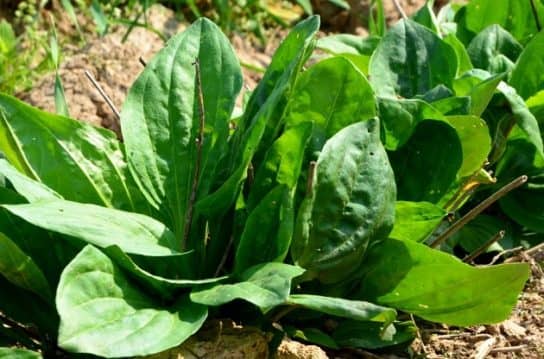


The borders of Tatarstan are located on the territory of two zones – steppe and forest, so the nature in these parts is beautiful and diverse. Medicinal plants, of which there are more than 200 wild and cultivated medicinal plants in Tatarstan, are of great benefit to the human body. However, due to the wasteful human attitude to nature, some of these plants were included in the Red Book. The big plantain is one of these plants.
Big plantain is a well-known natural medicine. The plant is short, reaching 60 cm in height. It has several broad-oval leaves located above the root, blooms with inconspicuous small flowers all summer. At the end of September, the flowering period ends, after which fruits are formed in the area of the inflorescences.
The chemical composition of the plant
For medicinal purposes, both plantain leaves and seeds are used. They contain:
- Tannins. They have bactericidal, astringent, hemostatic and anti-inflammatory effects. Plantain tannins are used both internally and externally.
- Aucubin. Produced from fresh plantain leaves, it has a positive effect on the elimination of Staphylococcus aureus and Escherichia coli. It has a positive effect on the digestive organs, as it stimulates their work and relieves inflammation.
- Slime. Plantain leaves contain mucus, which is effective in treating constipation and intestinal obstruction.
In addition, the plant contains vitamin C, calcium, potassium and magnesium. Large plantain contains useful organic acids and polysaccharides.
Medical applications
The plantain is used in various fields of medicine. Plant:
- It is an effective diuretic, therefore it helps well in the treatment of inflammatory processes of the urinary tract and kidneys. It is used in the treatment of bedwetting, cystitis and pyelonephritis.
- Promotes digestion and restores healthy gastrointestinal function. Adding plantain leaves to tea and salad helps to normalize bowel function, eliminate fences and reduce inflammation. It is used as a bactericidal agent for infection of the intestines and stomach.
- Helps in the fight against excess weight. Plantain is often used in a home weight loss program, since, in addition to its diuretic effect, it helps cleanse the body of toxins and toxins. The plant also helps in the fight against hunger, as it suppresses the feeling of hunger.
- Relieves inflammation in different areas of the skin. This allows you to use the remedy during the treatment of stomatitis, tonsillitis and pharyngitis. Large plantain compresses help to quickly restore the skin, therefore they are very effective for burns, abrasions and cuts.
- Helps restore women’s health. The plant is important for a woman’s health, as it eliminates discomfort during painful menstruation, and can also be prescribed by doctors for heavy bleeding. The plant tones the muscles of the female organs after childbirth and surgery.
- It is used to treat the respiratory tract. An effective remedy for coughing up phlegm, with asthma, bronchitis, cough and pulmonary tuberculosis.
Contraindications
Talk to your doctor before using plantain for any treatment. Means based on plantain will harm a person with increased blood clotting, with increased acidity of the stomach and allergic reactions to the constituent components. It is worth refraining from using the plant during breastfeeding and pregnancy.

