


Sowing parsnip (lat. Pastinaca sativa) is a member of the umbrella family. It is a herbaceous biennial plant.
Appearance
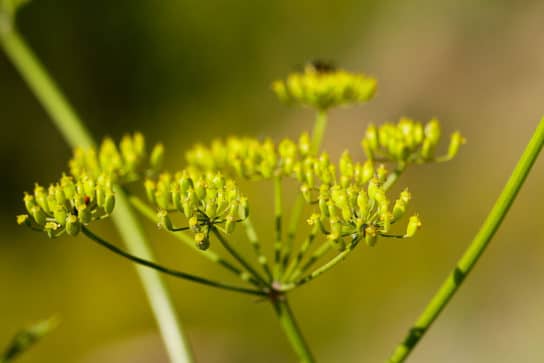
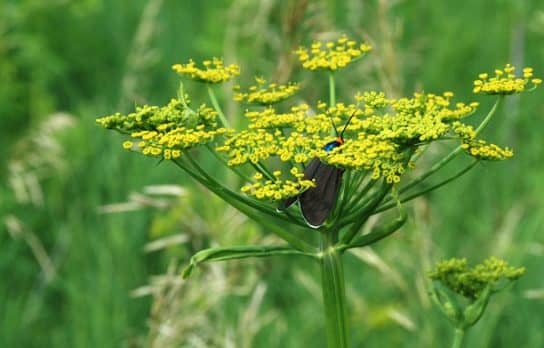
The stem of the plant is straight, its height varies from 40 to 200 cm. The leaves located at the roots are long-petiolate, and the stems are bare. The sheet plate itself has an oblong shape. The rosette is usually erect, with about 9 leaves. The flowering stems of this biennial grow back at the beginning of the second year, they are hollow and ribbed. The flowers of the plant are melliferous, orange, they form a complex umbrella. No wrapper. The fruits of the plant are yellowish, elliptical in shape.
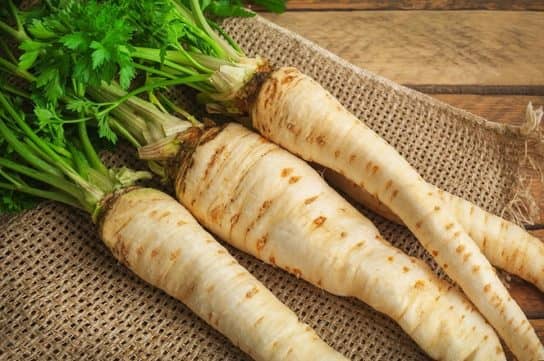

Parsnips have a horny edible root that tastes good. It is quite powerful, it goes into the soil by one and a half meters. Easily absorbs moisture from the deepest layers of the soil. The root vegetable has a yellowish tint, usually conical or round in shape. Inside it is white, the root has a sweetish spicy taste. The diameter of this part of the plant is 10 cm, and its length ranges from 30 to 40 cm. Root crops, which have a rounded shape, are located at a depth of about a centimeter, and elongated roots can be found by breaking through 3 cm of soil. Sowing parsnip blooms in early summer, and bears fruit in August.
Sowing parsnip is valued for being frost-resistant. Its seedlings can tolerate temperatures down to -5 ° C.
The seeds of this plant germinate when the air temperature is 2 ° C. Sprouts sprout only on the 20th day. Suitable temperatures for healthy plant growth range from 16 to 20 degrees.
Where grows
Parsnip is found in Russia, in the north of the Caucasus and in Turkey. This biennial prefers loamy soil.

Chemical composition
The fruits of this biennial contain bergapten with spondin, rutin and hyperin. They consist of 3% essential oil. The plant has a pleasant smell due to the high content of heptyl and hexyl ether.
Treatment
Parsnips are usually harvested using direct combining. This is done when the umbrellas turn brown. After the peduncles are threshed, the fruits are thoroughly washed and dried in a cool room.

Beneficial features
In folk medicine, raw parsnip root is used to fight kidney disease, jaundice and as an expectorant, which is good for bronchial asthma and angina. A decoction of roots and leaves increases appetite and fights constipation. It also has a tonic effect, strengthens hair and nails, and eliminates acne. This broth relieves stress well, since it has a high content of vitamin B9.
Interesting Facts
- In cooking, parsnip root or its leaves are used as a side dish, it is added to soups and sauces.
- The most popular type of parsnip is “Student”. It is cultivated for the creation of medicines.
- The fruits of the plant contain a lot of calcium and magnesium, iron and copper.
- In Ireland, parsnip is used as a substitute for hops. After boiling with malt, it is fermented to produce a beverage similar to beer.
- The roots and leaves of the plant are used to spray mites and spiders. The plant contains furanocoumarins, which are toxic to many insects.

