


- 1 Duck
- 2 Pheasants
- 3 Hawks
- 4 Loons
- 5 Albatross
- 6 Petrel
- 7 Grebe
- 8 Phaetonic
- 9 Stork
- 10 Ibis
- 11 Heron
- 12 The rest of the birds of Asia
- 13 Pelican
- 14 Frigate
- 15 Booby
- 16 White-eyed
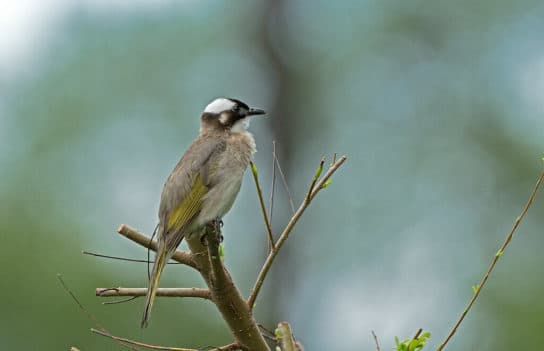
- 17 Bulbul
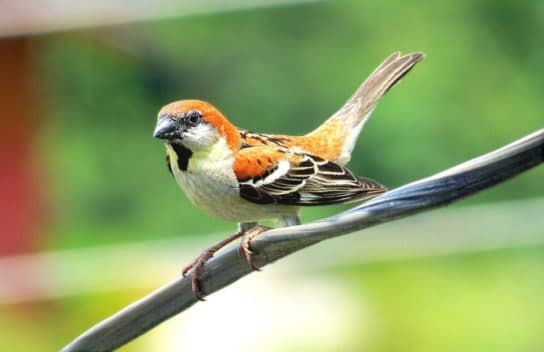
- 18 Passerines
- 19 Corvids
- 20 Finches
- 21 Blackbirds
- 22 Larks
- 23 Accentorids
- 24 Swallow
- 25 Flycatchers
- 26 Oatmeal
- 27 Hemp
- 28 Pitty
- 29 Crickets
- 30 Starling
- 31 Wagtails
- 32 Conclusion


The largest part of the Earth’s light is undoubtedly Asia. The vast territory, stretching from north to south and from west to east, includes the predominant part of the continental land of Eurasia and the adjacent islands. Asia combines several climatic zones, varied relief, salty and fresh waters of the World Ocean. Considering all this, the flora and fauna of this part of the world is extremely large and diverse.
The species composition of such a class of animals as birds is no exception. Probably, neither America, nor Africa, nor other parts of the world can boast of such a number and variety of birds as in Asia.
Duck
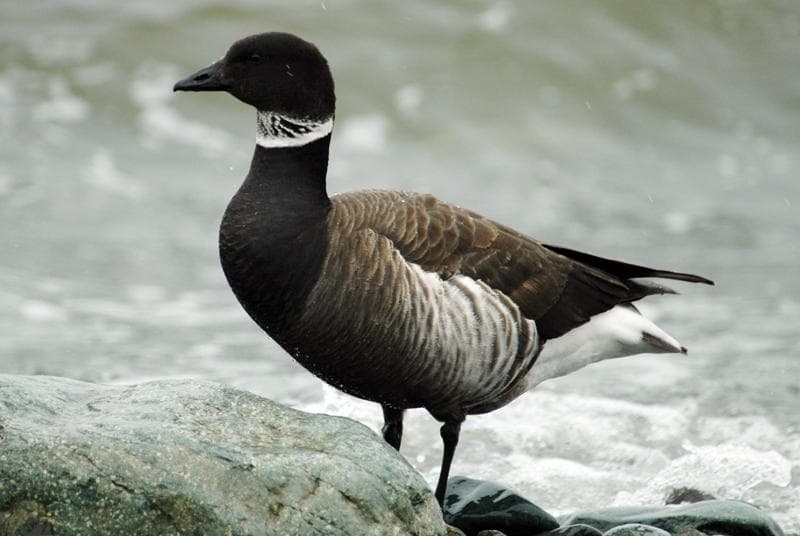
Black goose
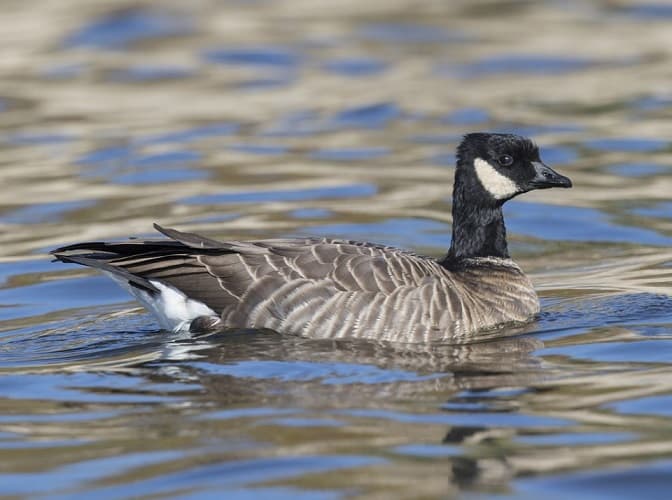
Canada goose

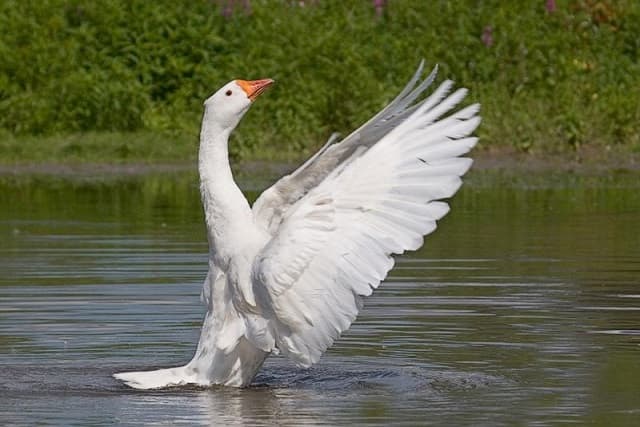
White goose

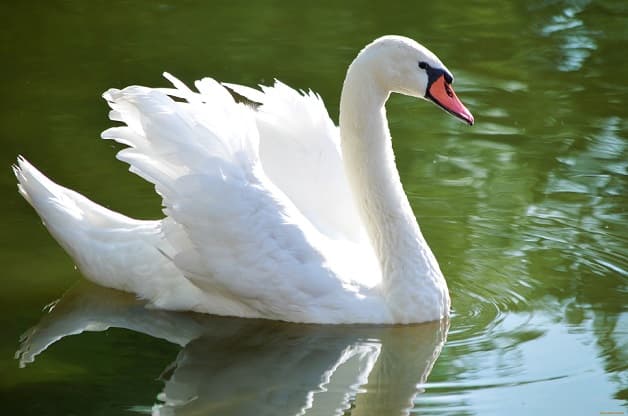
Mute swan

Lesser White-fronted Goose


Mandarinka


Sea black


Crested duck


Pheasants
Partridge


Quail

Black lofura


White duck


Hawks
Golden eagle
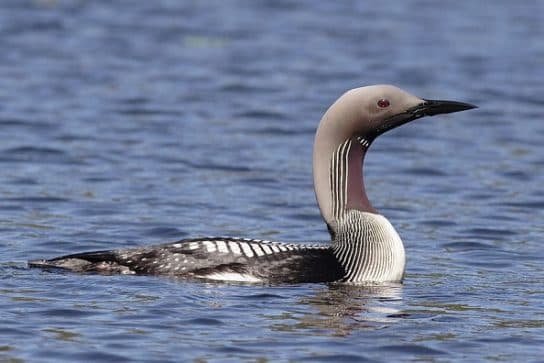

Sparrowhawk
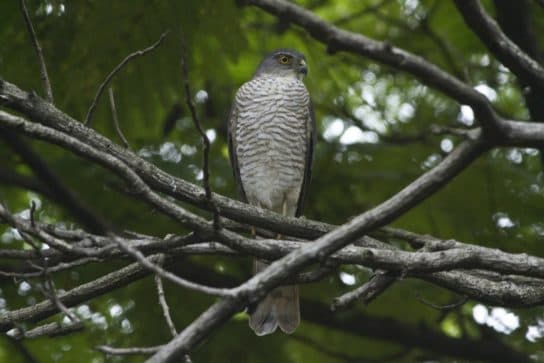

Striped hawk
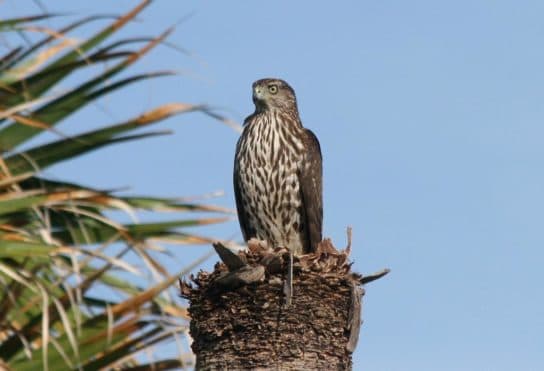

Black grouse


Swampy moon

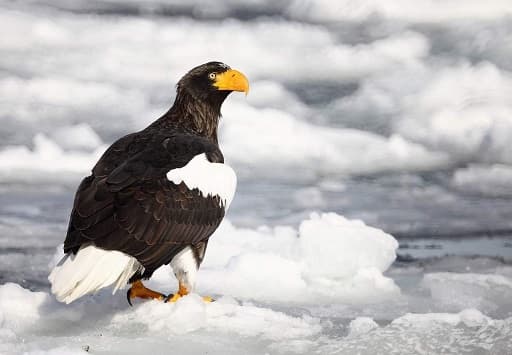
Bald eagle
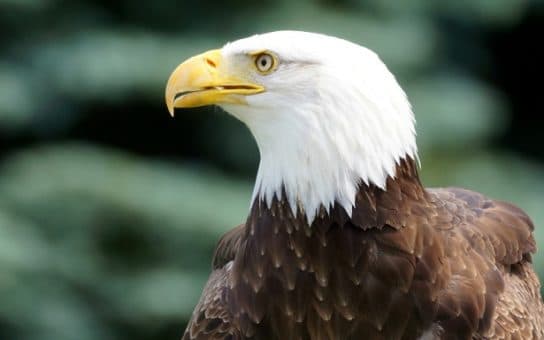

White-tailed eagle

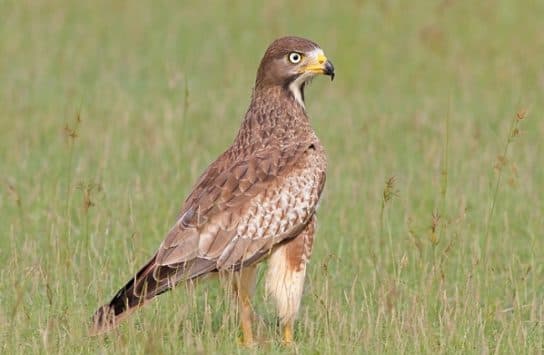
White-eyed buzzard

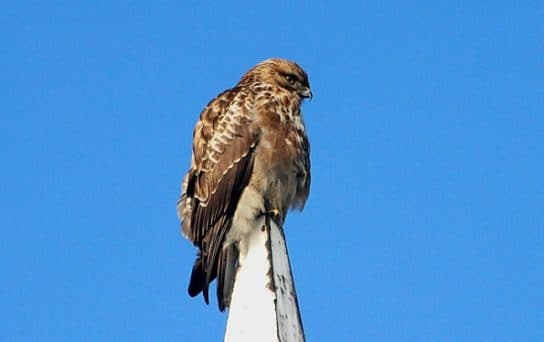
Eastern Buzzard

Winter
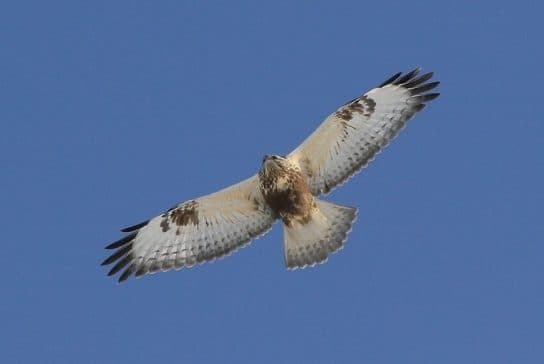

Upland Buzzard

Loons
White-billed loon
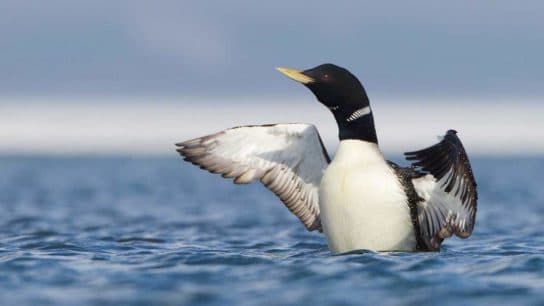

Red-throated loon


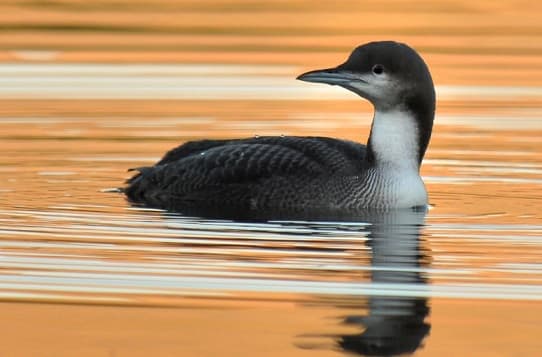
Black throated loon
White-necked loon

Albatross
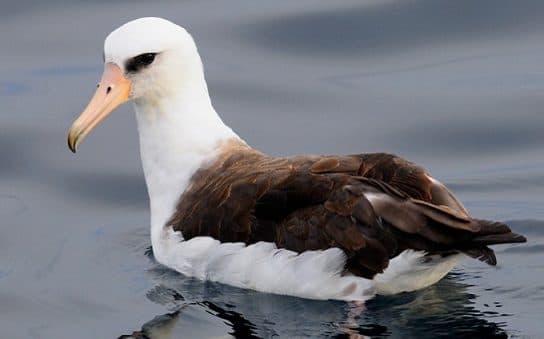
Dark-backed albatross

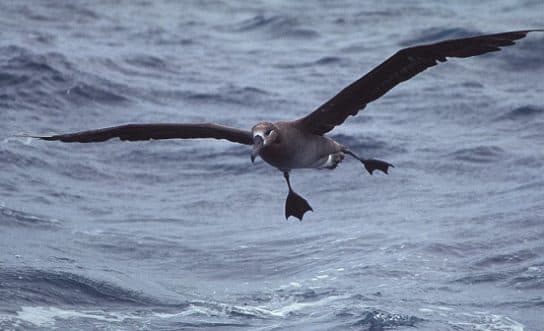
Black-legged albatross

Petrel
Thin-billed petrel


Gray petrel


Grebe
Gray-faced toadstool


Red-necked toadstool
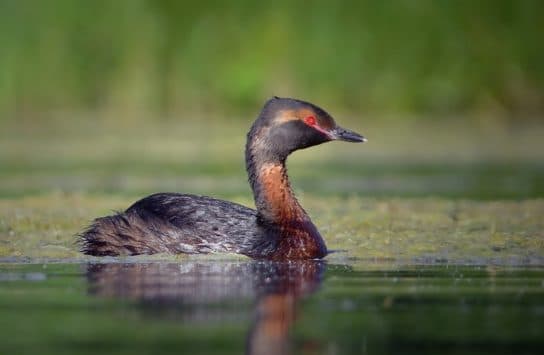
Black-necked toadstool
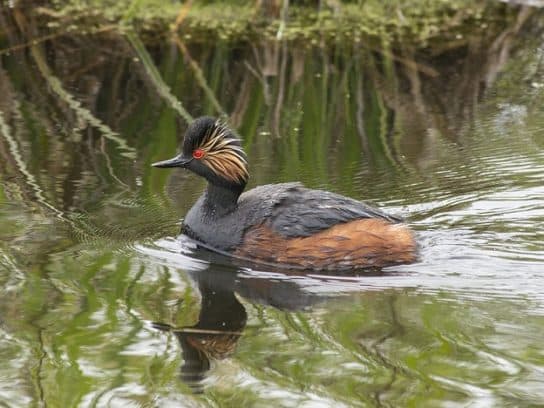

Little grebe
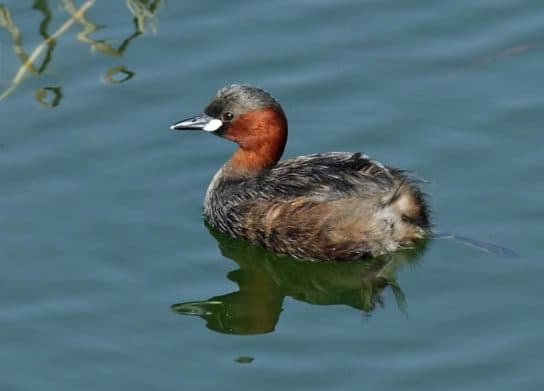

Big toadstool


Phaetonic
Red-billed phaeton
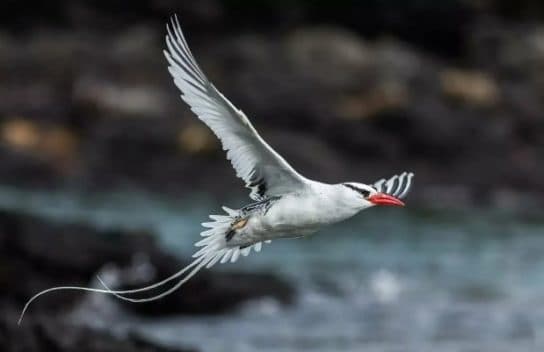

Red-tailed phaeton
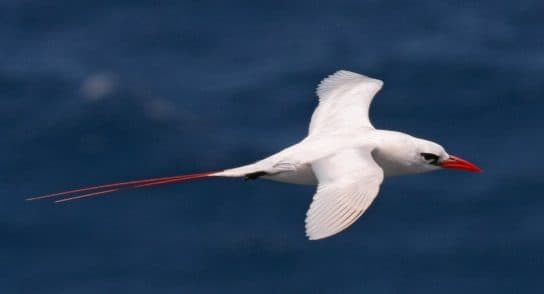

White-tailed phaeton


Stork
White-necked stork
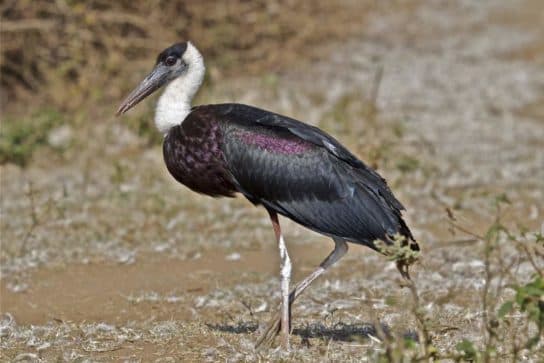
White stork


Black stork

Far Eastern stork
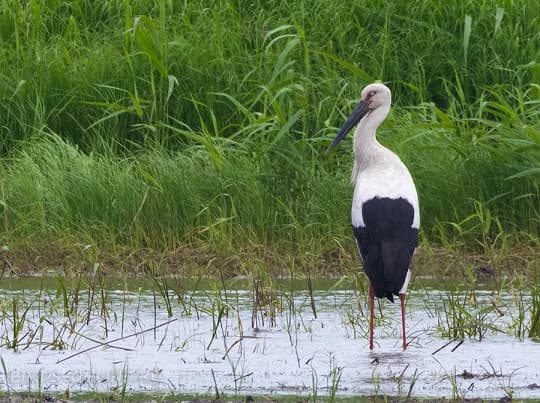

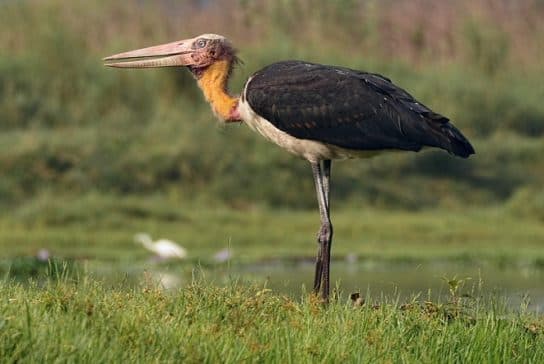
Indian beak
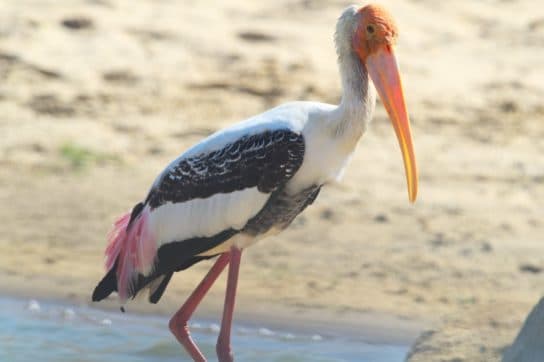

Javanese marabou
Ibis
Spoonbill
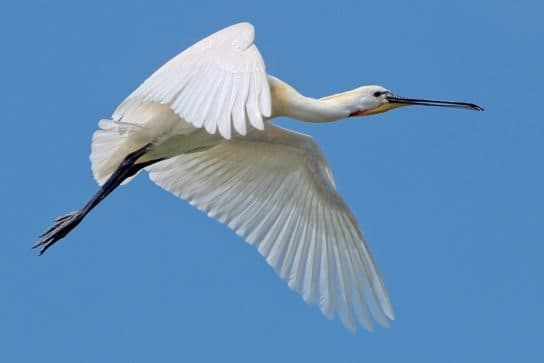
Loaf


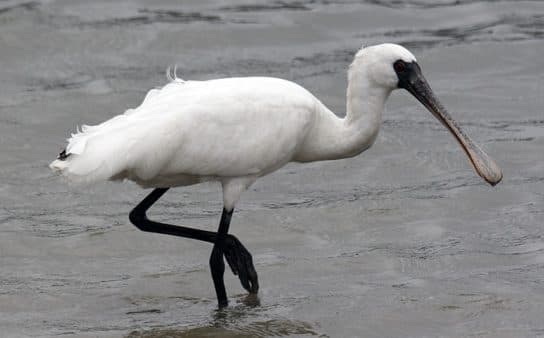
Small spoonbill
Black-headed ibis
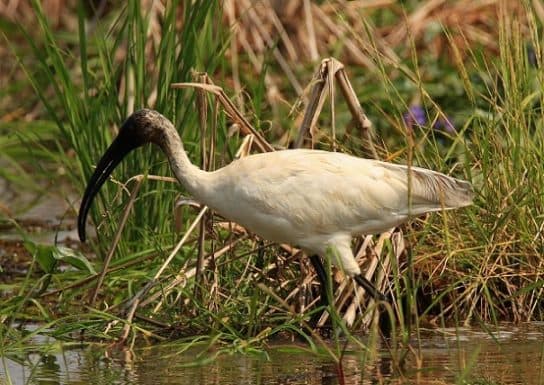

Red-legged ibis
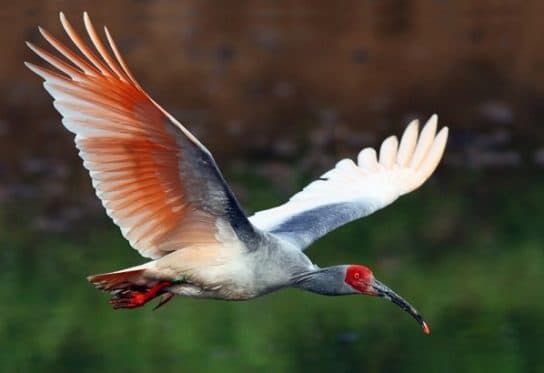

Heron
Big bittern


Green heron
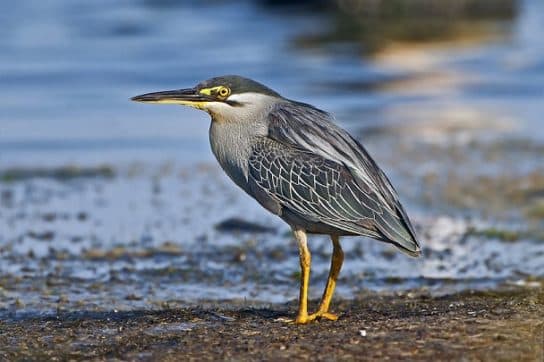

Kvakva
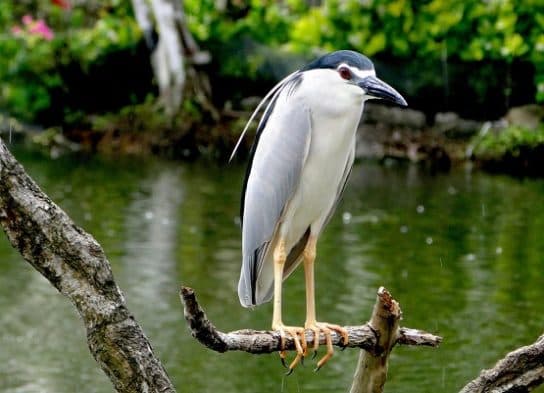

White-winged heron
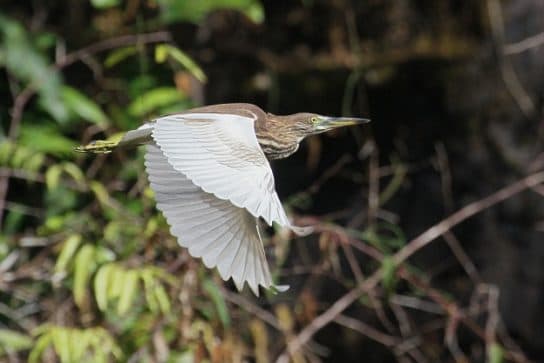
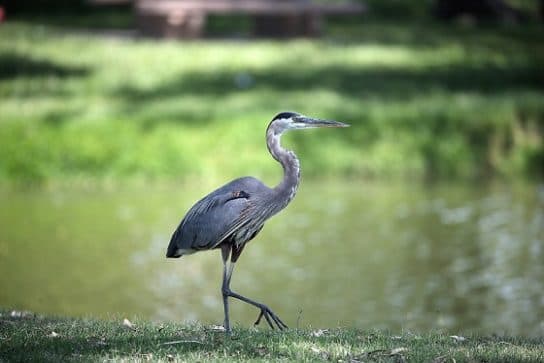
Gray heron
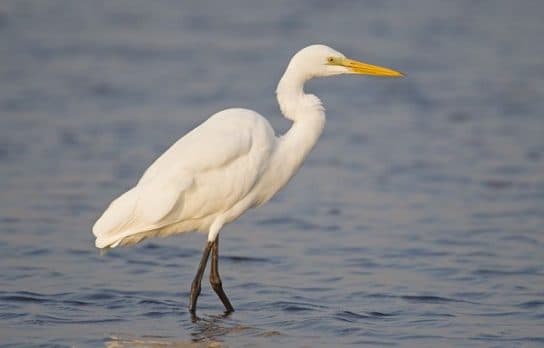
Medium egret

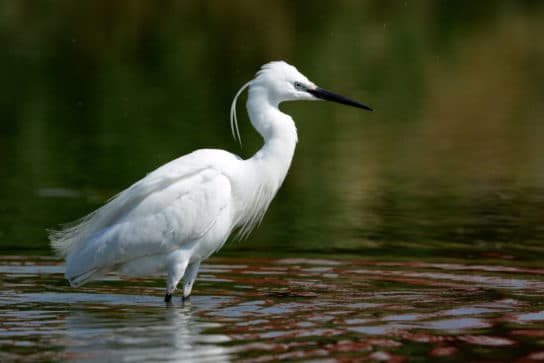
Little egret
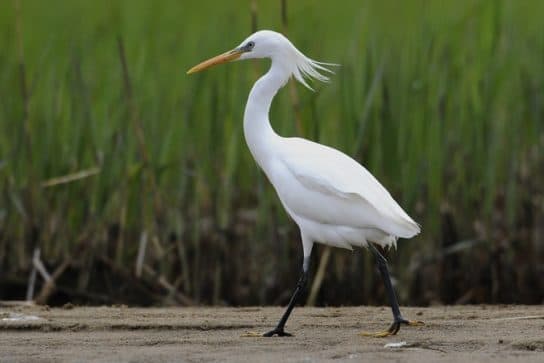
Yellow-billed heron
The rest of the birds of Asia
Pelican
Pink pelican

Curly pelican


Frigate
Large frigate
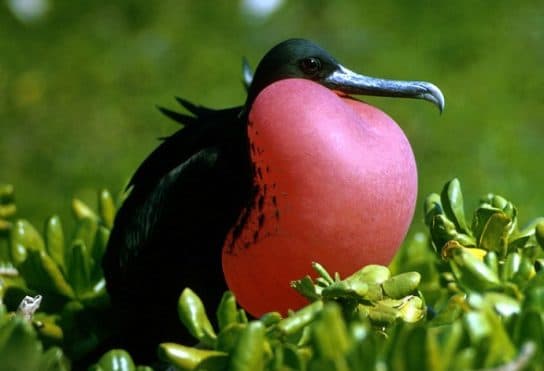
Frigate ariel

Booby
Blue-faced boobies


Brown olusha

Red-footed boobies

White-eyed
Burobokaya beloglazka
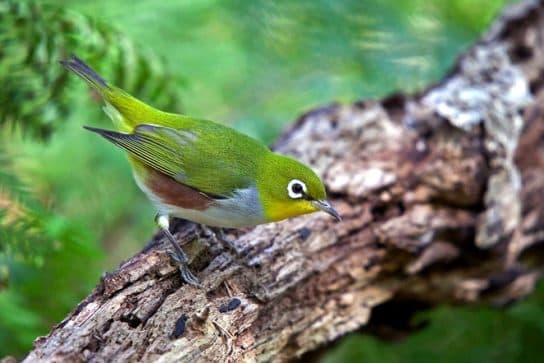
Japanese white-eyed
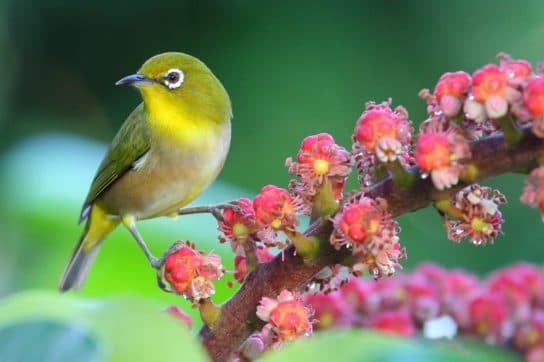
Bulbul
Short-fingered bulbul
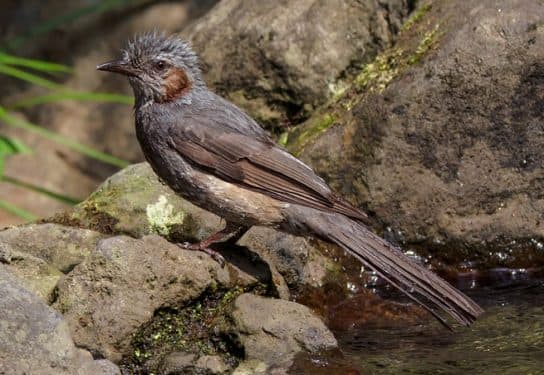

Chinese real bulbul
Passerines
Field sparrow


Red sparrow
Corvids
Crow
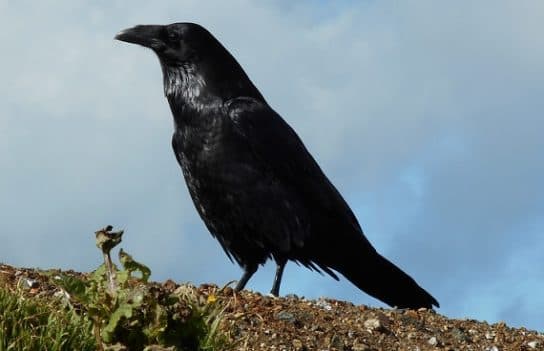
Black Crow
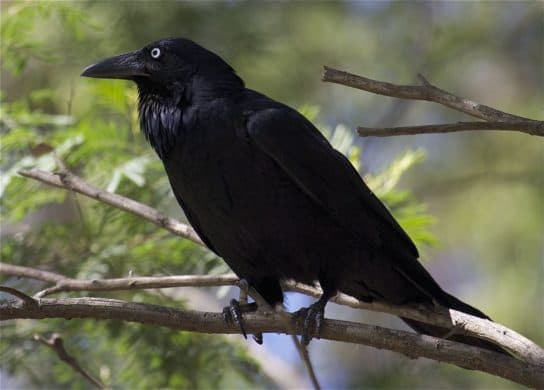

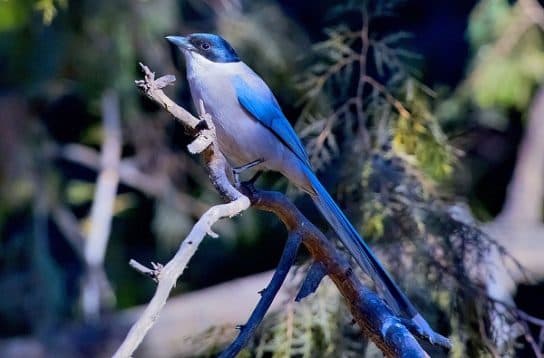
Blue magpie

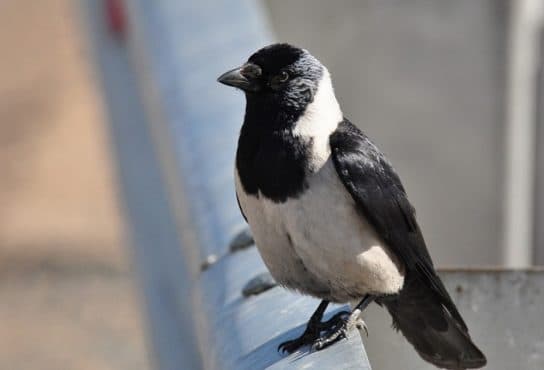
Daurian jackdaw

Rook
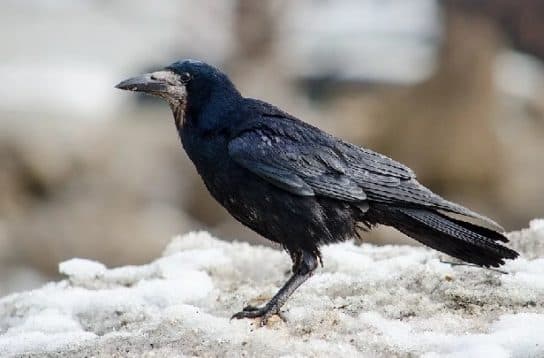
Shiny Raven

Jay
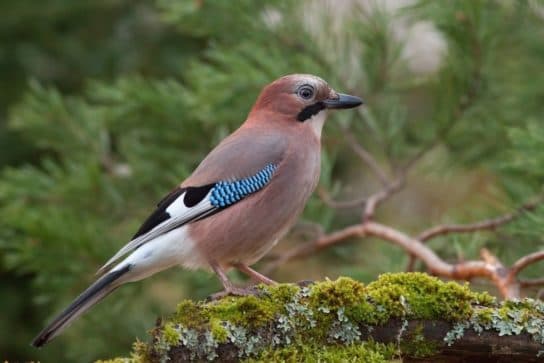
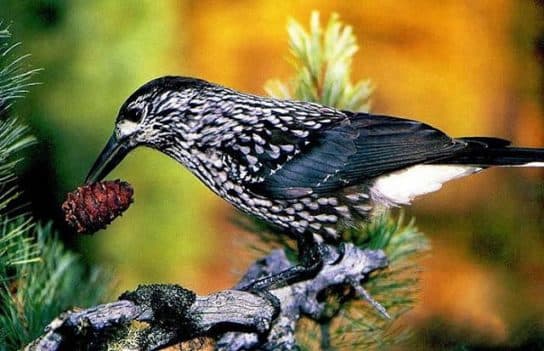
Kedrovka
Finches
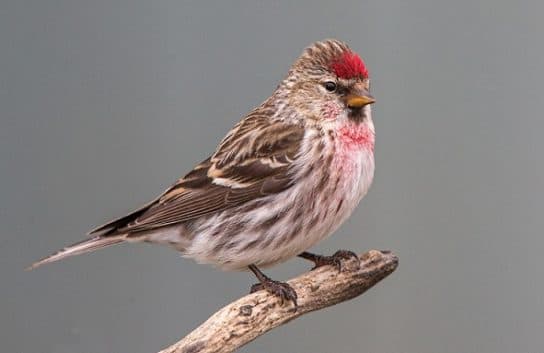
Chechetka

Chizh


Siberian lentils

Chinese green tea
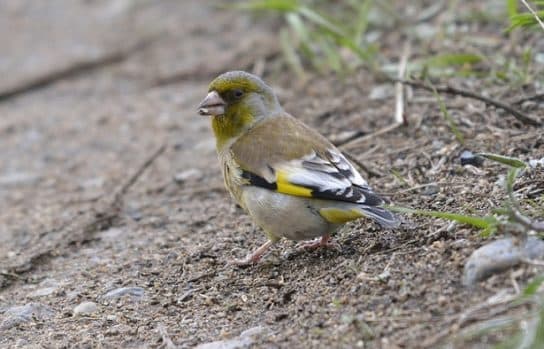
Siberian finch
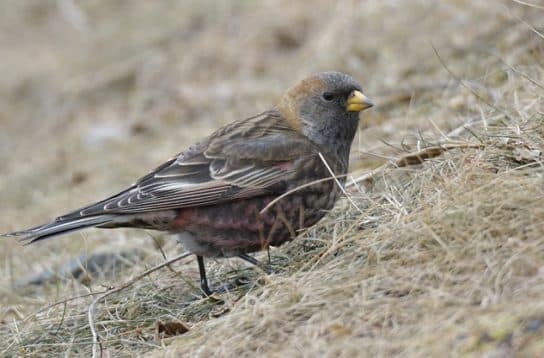
Great black-headed grosbeak
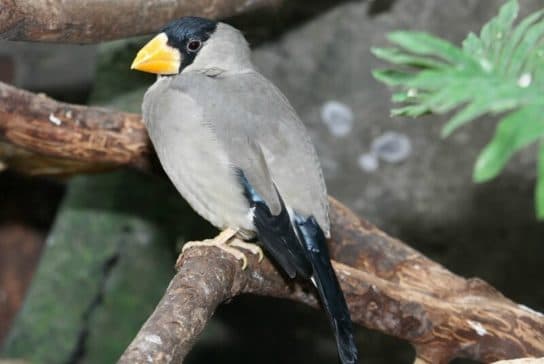
Klest-elovik

Uragus
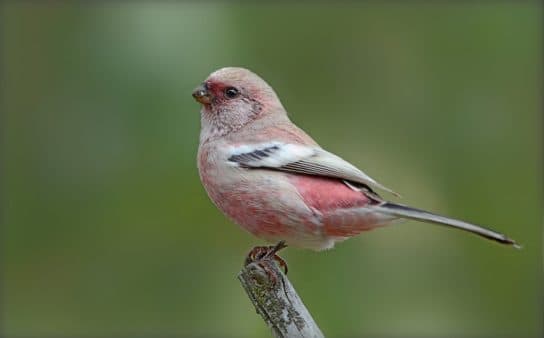
Bullfinch

Blackbirds
Spotted thrush

Siberian thrush
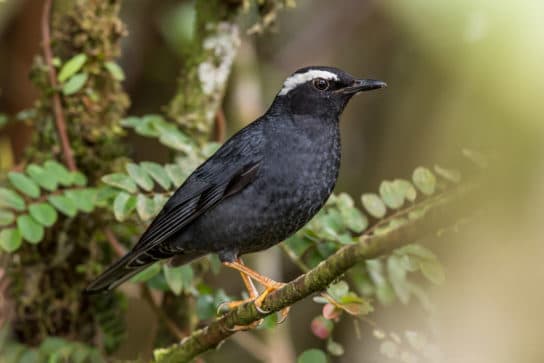
Blackbird
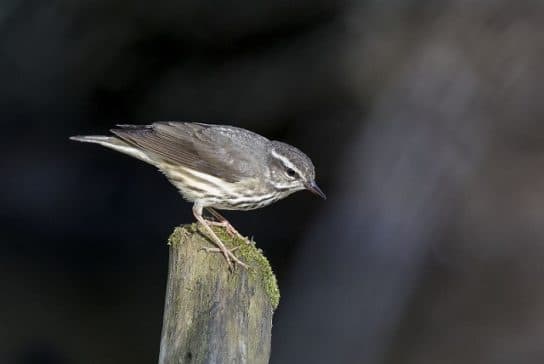
Deryaba
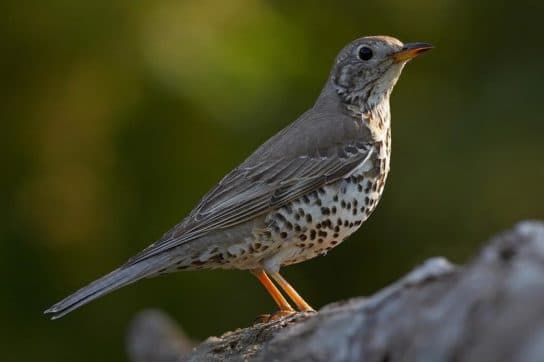
Blackbird

Белобровик
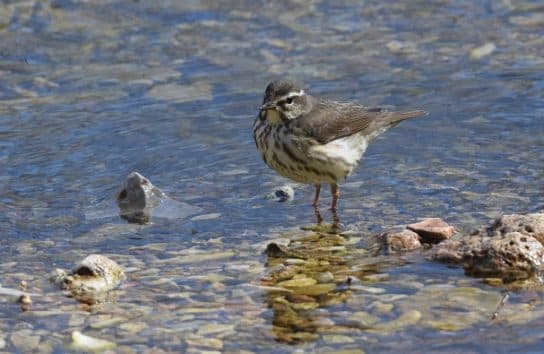

Olive thrush
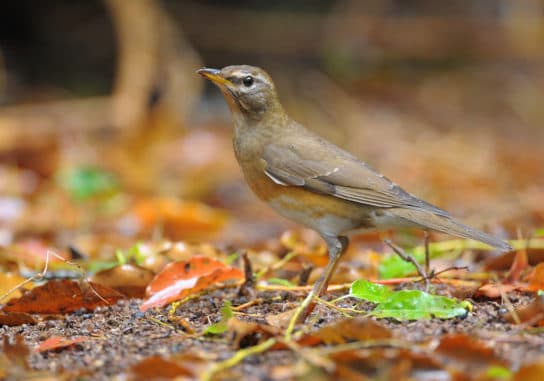

Larks
Lark
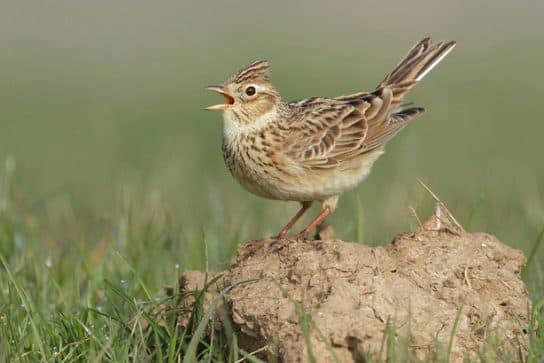
Japanese lark
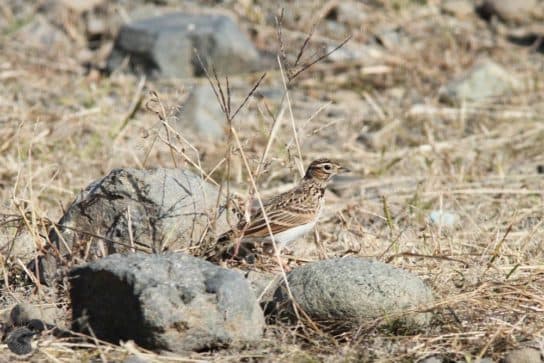
Lesser lark
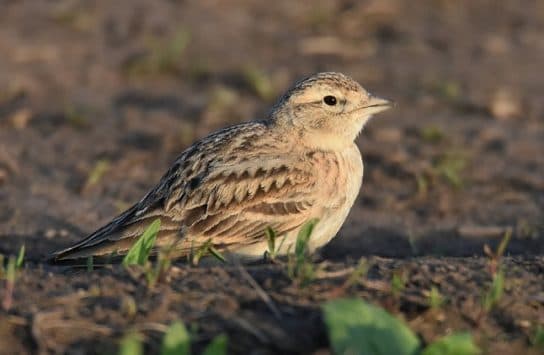
Saline lark
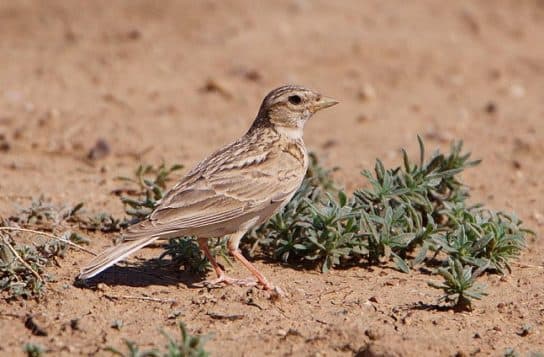
Horned lark


Accentorids
Alpine accentor
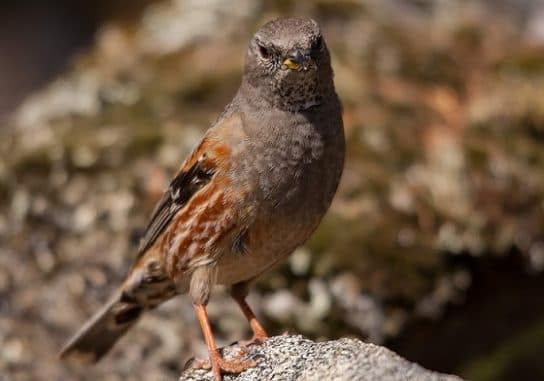
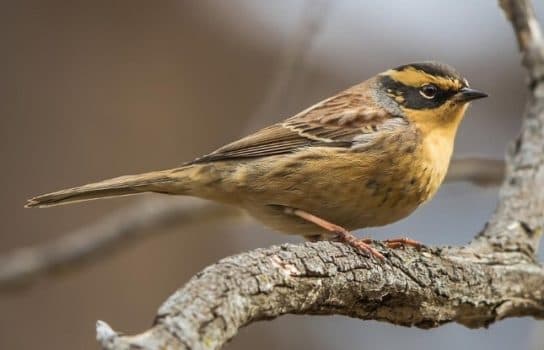
Siberian Accentor

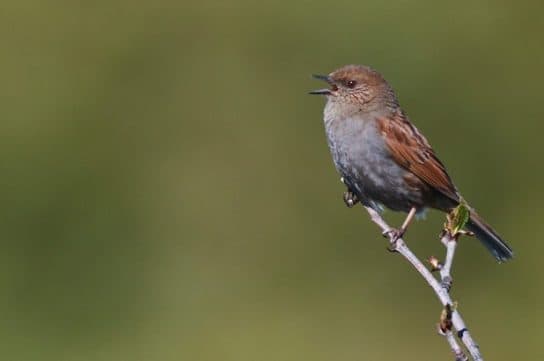
Japanese Accentor
Swallow
City swallow


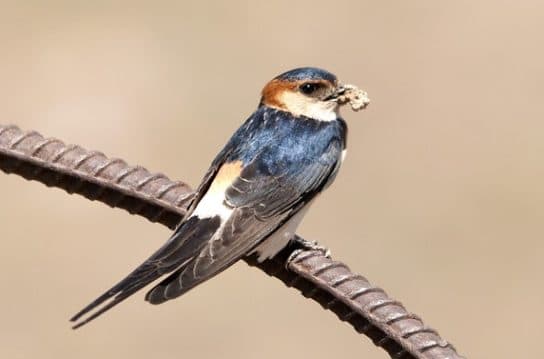
Red-lumbar swallow

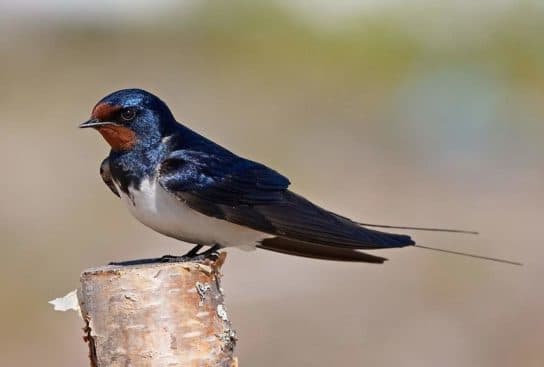
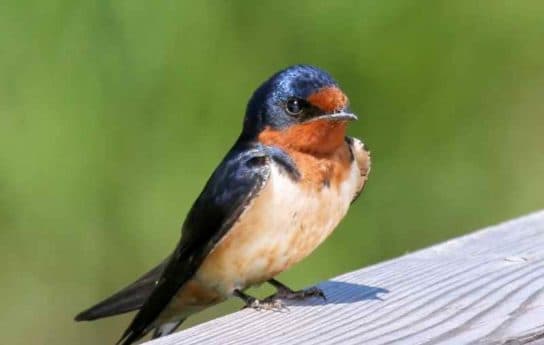
Barn swallow

Brown-throated swallow
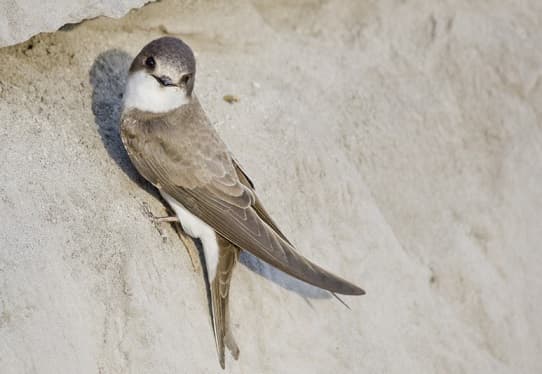
Beregovushka

Flycatchers
Blue flycatcher


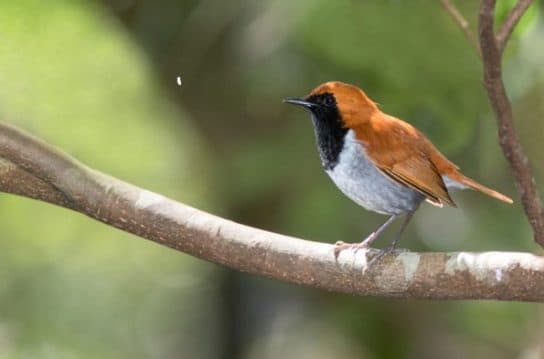
Japanese robin

Black-throated robin
Ruby-necked nightingale
Blue nightingale
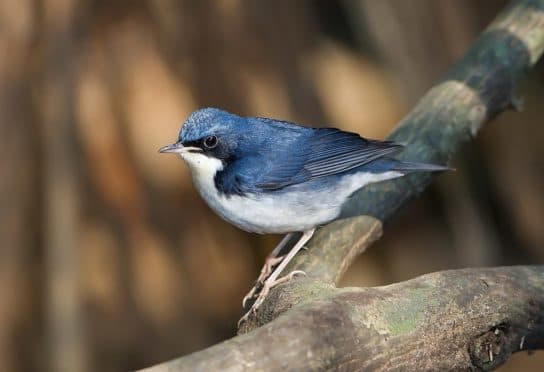

Taiga flycatcher
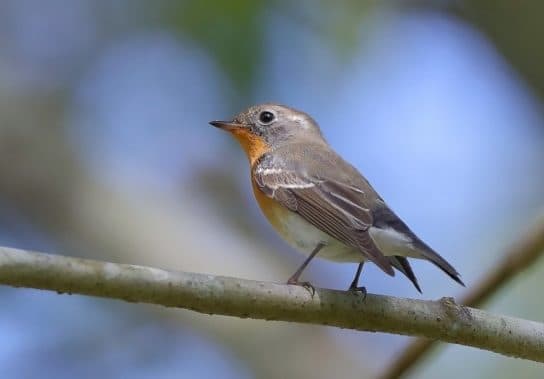
Japanese flycatcher
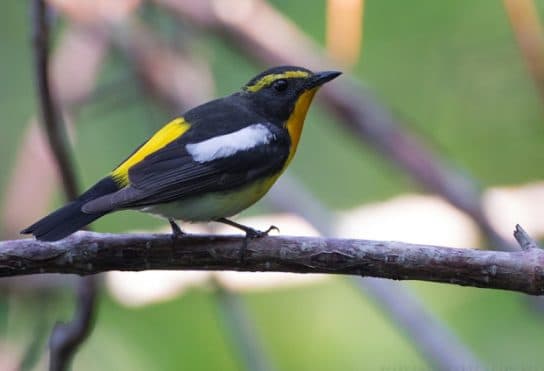
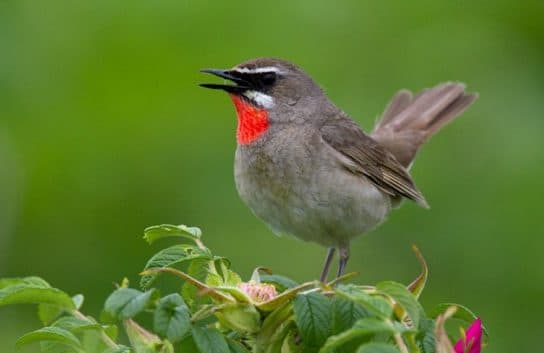
Bluethroat

Oatmeal
Gray-headed bunting
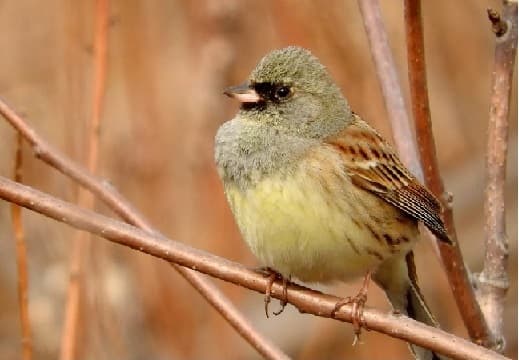

Japanese oatmeal
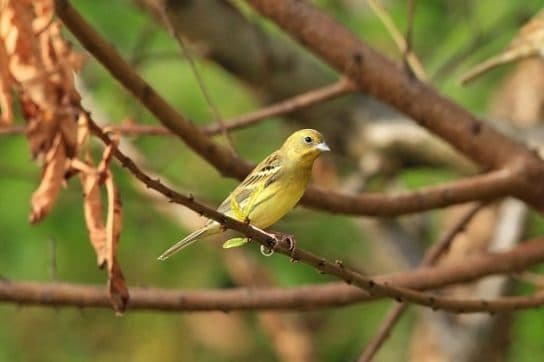
Black-throated bunting
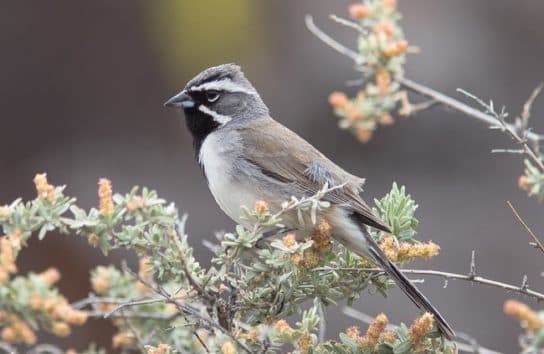
Red eared bunting
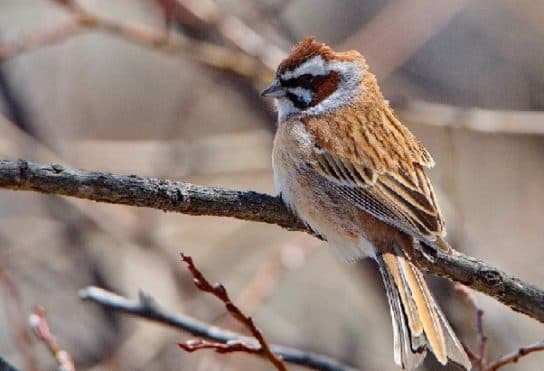
Common oatmeal
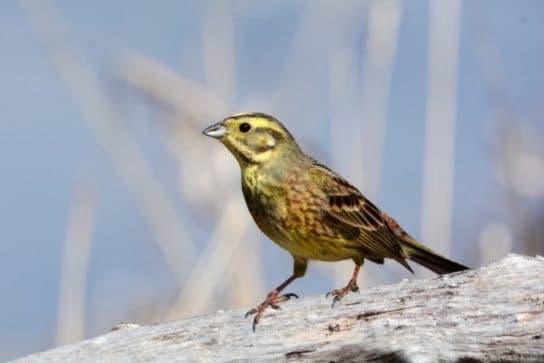
Yellow-browed bunting
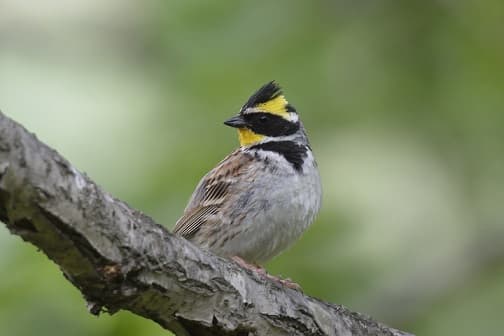

Garden bunting
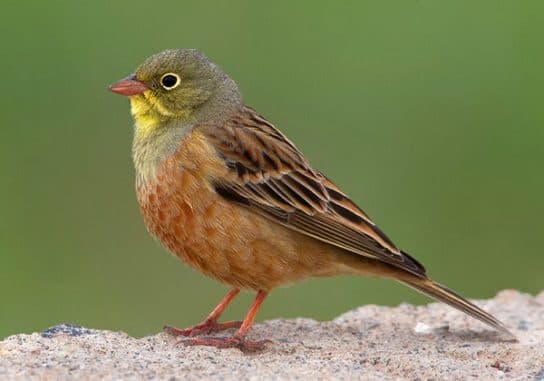
Hemp
Light-headed warbler
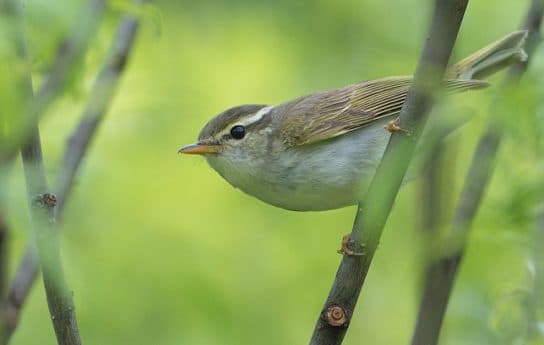
Kamchatka warbler
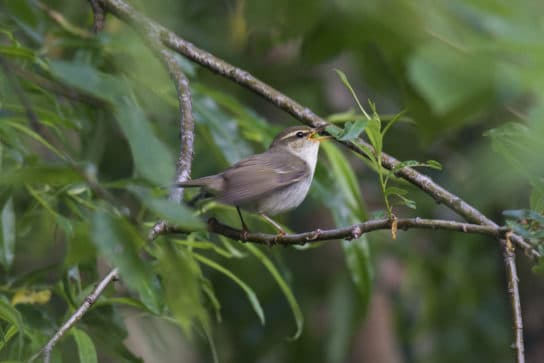
Brown warbler
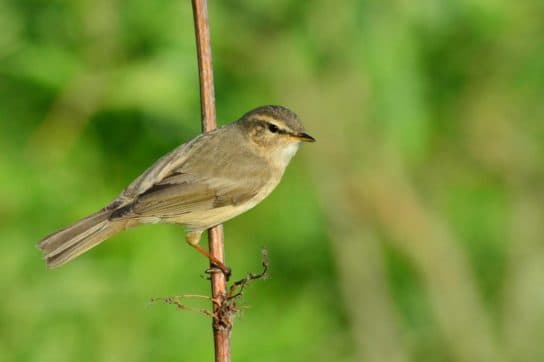
Foam-zarnichka
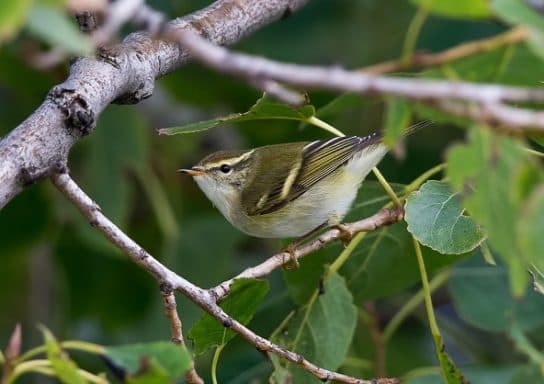
Korolkovaya warbler

Pitty
Pitta nymph

Black-headed pitta
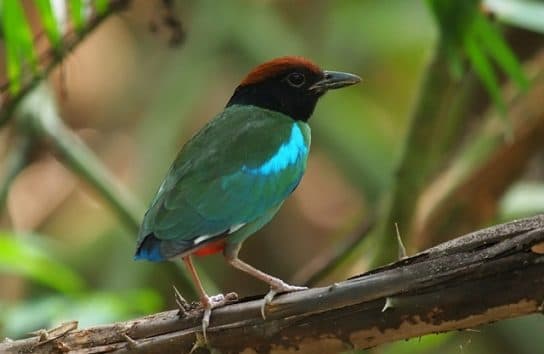
Crickets
Sakhalin cricket
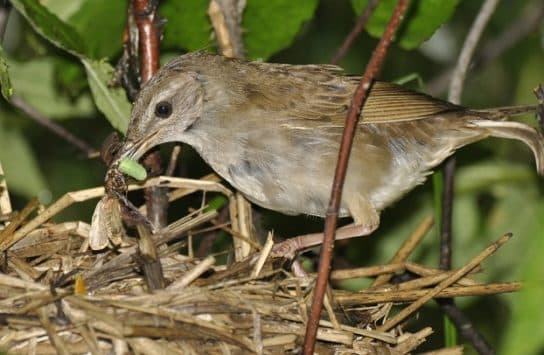
Singing cricket
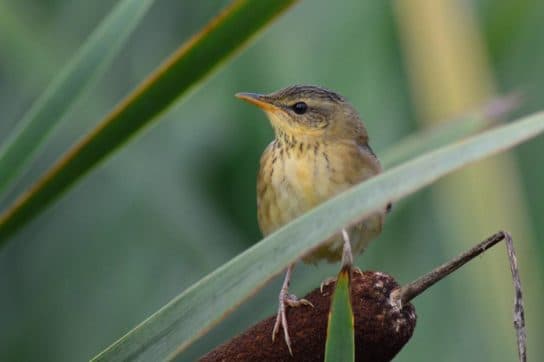
Taiga cricket
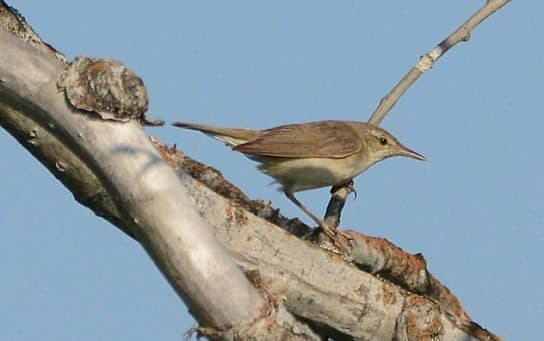
Spotted cricket
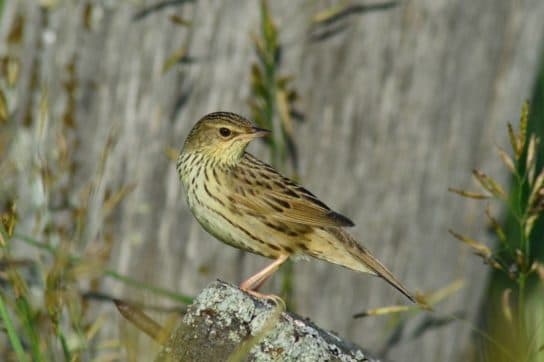
Okhotsk cricket
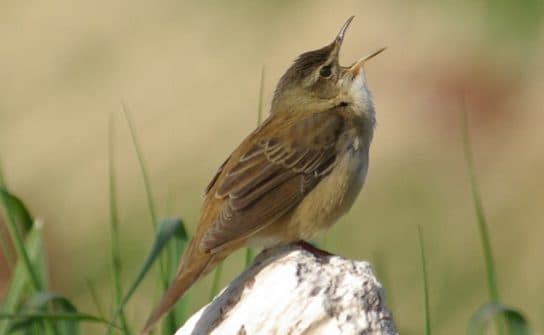

Japanese cricket
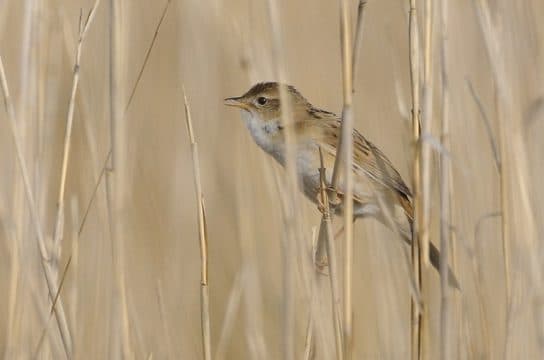
Starling
Crested Lane
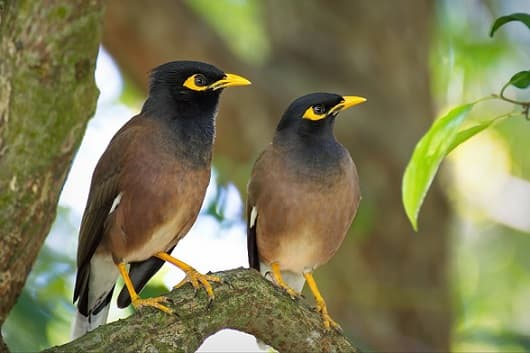

Japanese starling
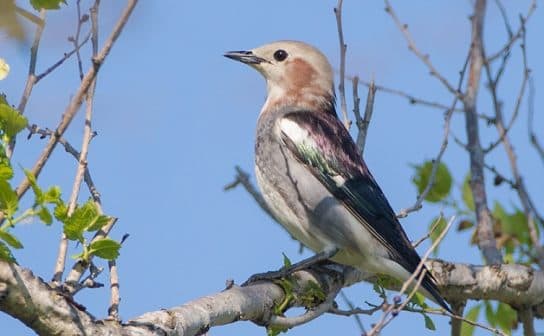

Gray starling
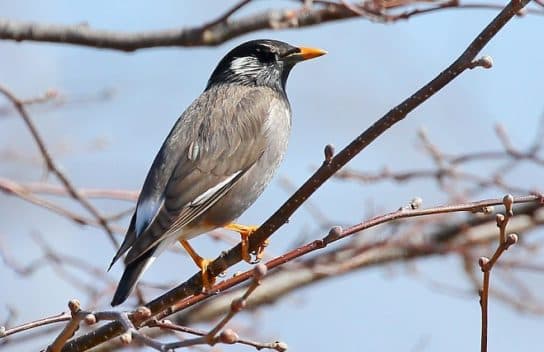
Pastor


Red-billed starling
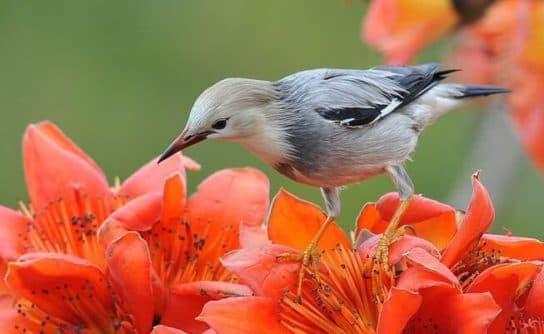

Chinese starling
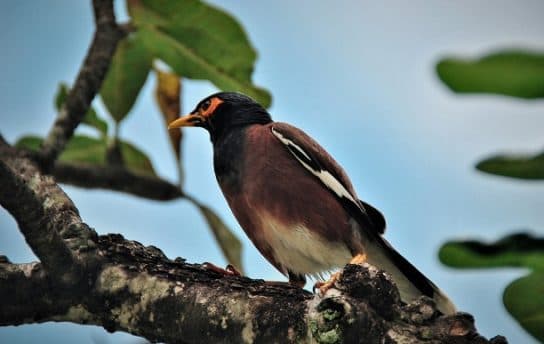

Common starling


Wagtails
Steppe ridge
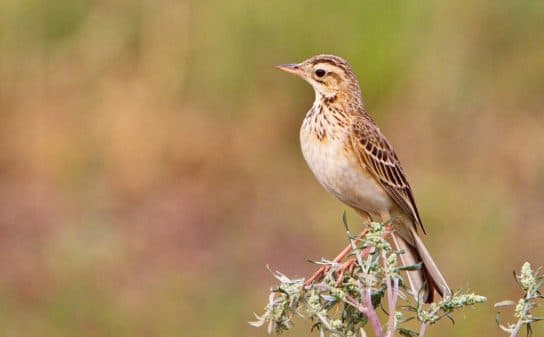

Mountain horse

Forest horse
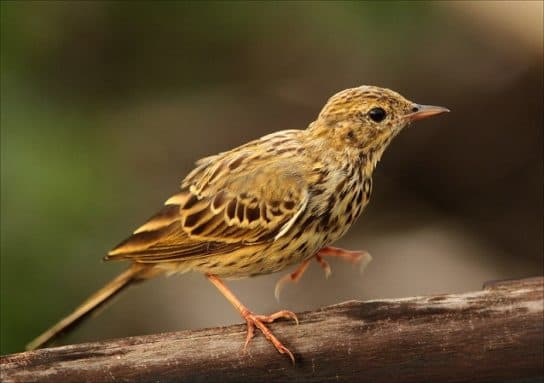

Tree wagtail
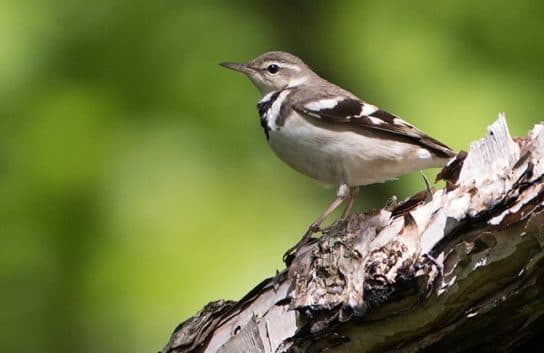
White wagtail

Mountain wagtail

Yellow-headed wagtail
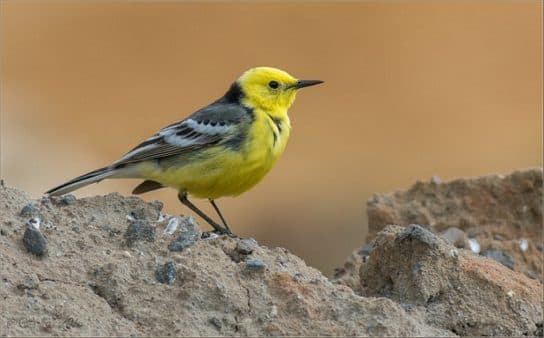
Yellow wagtail
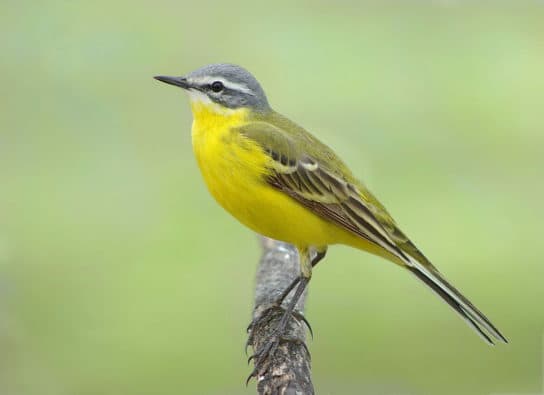

Conclusion
As you can see, almost all bird families are represented on the territory of Asia. They live in different environments and lead different lifestyles. There are terrestrial and flying, sedentary and migratory, herbivorous and carnivorous, semi-aquatic, waterfowl, sea, songbirds and many others. There are species, the existence of which is little threatened. And there are also such birds, which are given an “honorable” place in the Red Book due to the danger of their complete disappearance or significant reduction. For example, the Lesser White-fronted Goose is a vulnerable cutting species. But about the pink-headed duck, which previously lived in India, nothing has been known for more than 70 years.

