


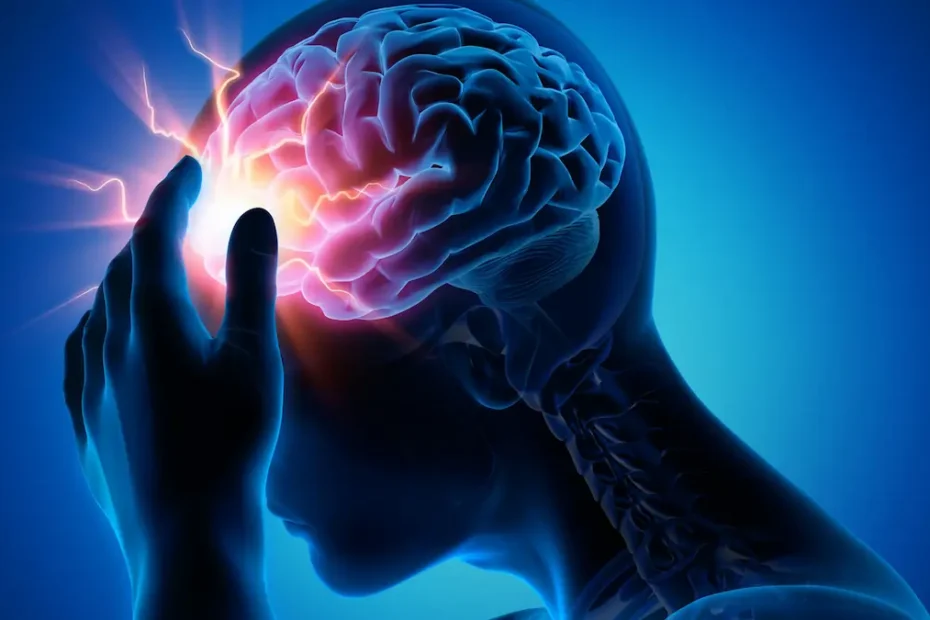


Epilepsy is a chronic neurological disorder characterized by recurrent and unpredictable seizures that result from abnormal electrical activity in the brain. These seizures can manifest in various ways, ranging from momentary lapses of awareness to severe convulsions. Throughout history, epilepsy has been surrounded by myths, misconceptions, and stigmas, leading to misunderstandings and discrimination against those affected by the disorder. However, advancements in neuroscience and medical research have shed light on the underlying mechanisms of epilepsy, enabling better diagnosis, treatment, and management for individuals living with this condition.
Historical Perspective
Epilepsy’s history dates back to ancient times, where it was often linked to supernatural forces and considered a divine punishment. In ancient Greece, the term “epilepsy” derived from the Greek word “epilambanein,” meaning “to seize upon,” reflecting the sudden and unpredictable nature of seizures. Throughout the Middle Ages, epilepsy was often referred to as the “falling sickness” due to the characteristic convulsions associated with some seizure types.
In the 19th century, the discovery of the brain’s role in epilepsy paved the way for understanding the disorder’s physiological basis. Researchers like John Hughlings Jackson and Jean-Martin Charcot made significant contributions to epilepsy’s understanding by studying the brain’s electrical activity and the localization of seizure origins. These developments laid the foundation for modern epilepsy research and treatment.
Causes and Risk Factors
Epilepsy’s causes are diverse and can be grouped into two main categories: structural and genetic factors. Structural causes include brain injuries resulting from trauma, infections like meningitis or encephalitis, strokes, brain tumors, and developmental disorders. Genetic factors play a role in various types of epilepsy, with certain genes predisposing individuals to the disorder. However, the majority of epilepsy cases have no identifiable cause, classifying them as idiopathic or cryptogenic epilepsy.
Other risk factors include age (with the highest incidence in children and seniors), family history of epilepsy, brain disorders, and certain medical conditions like Down syndrome. It’s important to note that epilepsy is not contagious or caused by a lack of discipline or willpower.
Types of Seizures
Seizures are the hallmark of epilepsy and can be classified into two main categories: focal (partial) seizures and generalized seizures.
- Focal Seizures: These originate in a specific area of the brain and can be further categorized into focal onset aware seizures (previously called simple partial seizures) and focal onset impaired awareness seizures (previously called complex partial seizures). The former retains awareness during the seizure, while the latter experiences altered consciousness.
- Generalized Seizures: These involve widespread electrical discharges that affect both cerebral hemispheres. Common subtypes of generalized seizures include absence seizures (formerly known as petit mal), tonic-clonic seizures (formerly grand mal), atonic seizures (drop attacks), and myoclonic seizures.
Diagnosis
Diagnosing epilepsy involves a comprehensive medical history review, physical examination, and various diagnostic tests. Electroencephalography (EEG) is a primary tool that records brain’s electrical activity and helps identify abnormal patterns indicative of epilepsy. Additionally, brain imaging techniques like magnetic resonance imaging (MRI) and computed tomography (CT) scans can identify structural abnormalities contributing to epilepsy.
Treatment and Management
Epilepsy management is a multidisciplinary effort involving neurologists, epileptologists, neurosurgeons, and other healthcare professionals. The primary goal is to control seizures while minimizing side effects and improving overall quality of life. Treatment options include:
- Medications: Antiepileptic drugs (AEDs) are the most common treatment approach. A variety of AEDs are available, and the choice of medication depends on factors such as seizure type, frequency, patient age, and medical history.
- Ketogenic Diet: This high-fat, low-carbohydrate diet has been found to reduce seizure frequency in some individuals, particularly those with drug-resistant epilepsy.
- Vagus Nerve Stimulation (VNS): This involves implanting a device that delivers electrical impulses to the vagus nerve, which can help reduce the frequency and severity of seizures.
- Surgery: In cases where seizures are not controlled by medications, surgical intervention may be considered. Brain surgery can involve removing the seizure focus or disconnecting the abnormal brain tissue causing seizures.
- Lifestyle Modifications: Strategies such as managing stress, getting adequate sleep, avoiding seizure triggers, and adhering to medication regimens can help in seizure management.
Research and Future Directions
Epilepsy research continues to advance our understanding of the disorder’s mechanisms and potential treatment options. Genetic studies have led to the identification of specific genes associated with epilepsy, paving the way for personalized therapies. Novel approaches such as optogenetics, which uses light to control neurons, offer promise in developing more precise treatments.
Advancements in neuroimaging techniques allow for better localization of seizure foci, improving the success rates of surgical interventions. Additionally, research into the gut-brain connection has revealed links between the microbiome and epilepsy, suggesting potential avenues for new therapies.
Epilepsy Awareness and Advocacy
Despite significant progress, misconceptions and stigmas surrounding epilepsy persist. Epilepsy awareness campaigns aim to educate the public and promote understanding, reducing discrimination against individuals living with the disorder. These efforts also emphasize the importance of seizure first aid, empowering bystanders to provide immediate assistance during a seizure.
Conclusion
Epilepsy, a complex neurological disorder, has transitioned from being shrouded in myth and misunderstanding to a well-studied condition with various treatment options. Advances in neuroscience, genetics, and medical technology have provided insights into the disorder’s causes, types, and management strategies. While challenges remain in terms of stigma reduction and access to care, ongoing research and advocacy efforts continue to reshape the landscape for those living with epilepsy, offering hope for a brighter future.

