


The brown hare is a herbivorous mammal. He is a representative of the Lagomorphs. The length of the body of an individual is about 57-67 centimeters, the mass of a hare is 4 kilograms. However, sometimes a mammal can weigh up to 7 kg. Such animals live in the north of the habitat.
Appearance
The color of the brown hare is ocher or gray. The fur has dark streaks of color, which are created by the ends of the hair. The cover of the animal is silky, the lateral part of the body is lighter than the fur on the back. The belly of the hare is white. The same color and spots around the eyes. At the ends, the ears of the mammal are black. In winter, the hare sheds and its new fur is noticeably lighter than the usual color, but the cover on the back and ears remains the same color even in winter.


Molting usually occurs in the fall. However, animals can molt in spring, at the very beginning. This difficult period lasts for about 4 months. The most active moulting period is April. Then the hair falls out the most, from the cover on the head to the hair on the tail. In the autumn period, the summer image is almost completely replaced by a more beautiful winter one.
Similarities with a hare
This species has few similarities with the white hare. Both of them are representatives of the same genus of hares. The way of life of these species is predominantly sedentary and they eat only plants. Animals also do not store food for the winter. The hare and the hare moult twice a year.
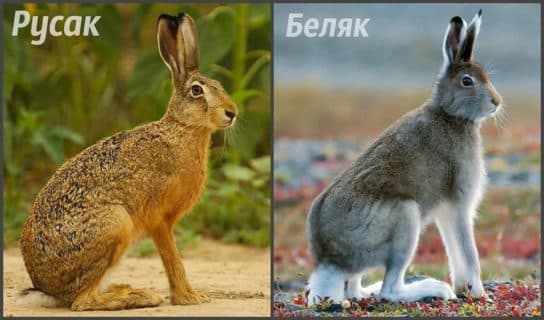

If you want to know in more detail how a hare differs from a white hare, then we have a whole article on this topic – https://ecoportal.info/sxodstvo-zajca-belyaka-i-zajca-rusaka/.
Lifestyle, behavior
Usually the brown hare leads a sedentary lifestyle. If the food supply is good, then the habitat of the hare does not change and is about 30 hectares. Otherwise, they migrate from their sleeping place to the area where they feed. So, the animal overcomes several tens of kilometers daily. Seasonal migrations occur in winter and autumn, then the hare come closer to cities and villages, come to the outskirts of the forest and to areas where there is the least amount of snow.
Mammals that live in the mountains descend lower in the autumn, closer to the river floodplains. However, by the beginning of spring, they come back. If the weather leaves much to be desired, for example, there is too much snow, then animals leave their habitats en masse. In the south, the hares do it in the summer. Migrations occur because people begin to engage in active economic activities. Rusaks are more active at night and in the early morning. When the rut comes, all individuals are active.
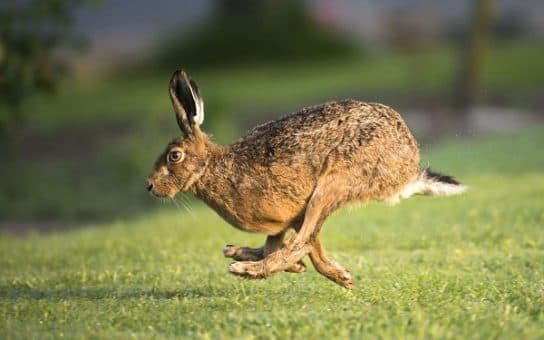

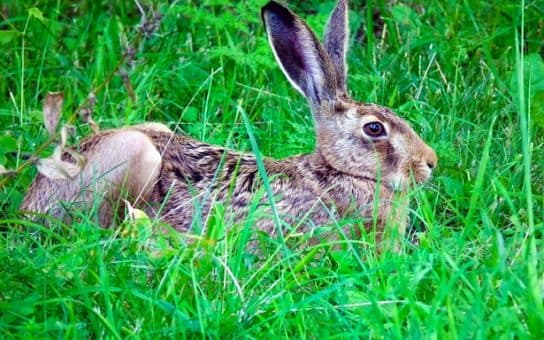
During the fattening period, the animal overcomes kilometers, but individuals living in open areas pass much more than those who live on the edges and in thickets. If conditions are unfavorable at this moment, hares usually do not go to fattening. In the summer period, the nest is a hole that hides behind bushes or trees, but often the hare lie down to rest in the boundary.
Rusaks do not create permanent burrows, but they can dig temporary ones in case of heat. Sometimes they can rest in the norms of other animals such as badgers and foxes. The location of the mink depends on the season and weather. In spring, hares often stay in a warm place, and during rains, they prefer to rest in dry areas. During the winter season, they lie in poorly ventilated places.
In regions where the snow cover is deep, hares usually create burrows 2-3 meters deep. In cold periods, they like to lie right in the hay.
Life span of the hare
Usually, hares live in captivity for about 10-12 years. This is due to the presence of many enemies. Females live less than males – about 5 years, and males – about 9. The record age is 14 years.


Sexual dimorphism
Sexual dimorphism, oddly enough, is not expressed in color. But you can understand the sex of an individual by its size.
The habitat of the hare
This species began to conquer the north around the Quaternary period, but now the animal can be found in the tundra and steppes of Europe, in Scotland and Turkey. Hares also live in New Zealand. In Russia and Kazakhstan, mammals live almost everywhere, in the Transcaucasia and in the Pavlodar region, in Karaganda and the Urals. Rusaks have also adapted to living in the Far East.
Animals love to live in open spaces. These include fields and meadows, burnt places and forest edges. Most often they can be seen in the depths of deciduous forests, next to agricultural plots and ravines.


The diet of the hare
In summer, hares eat plants, they love to feast on young shoots. They can also eat the roots of trees. In the second half of the season, they eat seeds that are difficult to digest. So animals spread them all over the place. So, the feed mainly consists of dandelion and chicory, clover and buckwheat. Rusaks love apple and maple trees, their animals eat them with special persistence. Hares also eat cereals. In winter, the hares dig fruits out of the snow, use rags and seeds.


Interesting Facts
- The breeding season for these mammals lasts more than six months: from early spring to autumn. Almost all females have four broods during this time.
- Females bear offspring for about 45-50 days.
- Hares are born already sighted, their weight is 100 grams.
- A month after birth, the cubs already acquire complete independence.
In zoological parks, cuffs are often born – hybrids that appear when mating hares and hares.
Video about the Russian hare


