


The Stavropol Territory belongs to the center of the Caucasus, its borders pass through the Krasnodar Territory, Rostov Region, Kalmykia, Dagestan, North Ossetia, as well as through the Chechen, Karachay-Cherkess Republics.
This territory is famous for its natural attractions, beautiful valleys, clean rivers, mountain ranges, healing springs. Everyone knows the medicinal properties of the Caucasian mineral waters and mud from the sources of Lake Tambukan. The undoubted pearl of the region is the city of Kislovodsk and Essentuki, it is from the springs found in this territory that Narzan and Yessentuki water is produced, known for its healing effect.
At the foot of the Caucasus Mountains are the centers of the ski resort, which attracts tourists from all over the world. And the snow cap of Elbrus has become a visiting card of avid climbers.
In this area, you can not only rest, but also carry out scientific research, since the region is rich in flora and fauna. It is convenient to rest, hunt and fish in this area.
Edge features
The climatic conditions of the area are favorable, spring comes in March and lasts until the end of May, the average temperature during this period is +15 degrees and there are frequent rains. Summers are warm with drought, little precipitation falls, and the temperature can reach +40 degrees, but given that there are a large number of forests, plantations, lakes and rivers in the region, this is not very felt.
Autumn comes in September-October and is characterized by torrential rains, but in November the first snow already falls. Winter is not stable, the temperature can range from +15 to -25 degrees.
The nature of Stavropol is rich in mountain peaks (Strizhament, Nedremann, Beshtau, Mashuk), steppe and semi-deserts (in the northeast), as well as meadows, forest-steppe and deciduous forests.
In the semi-deserts, black and white wormwood, ephedra, wheatgrass, thorny thorns grow, in spring the area comes to life everywhere, tulips, soft lilac crocuses and hyacinths are visible.
The eastern part of the region is characterized by the presence of wormwood-cereals and wormwood-fescue dry steppes.
The west and northwest replaces semi-desert with fertile lands with plowed and untouched steppes, plantings of rural gardens. The most common herbs here are feather grass, fescue, wild strawberries, meadowsweet, forest forget-me-not, yarrow, purple-red peony, many shrubs.
Forests in the Stavropol Territory are spread over the Vorovskoles and Darya heights, in the Pyatigorye mountains, on the Dzhinalsky ridge, in the valleys and gullies in the southwest, in the regions of the Kuban, Kuma, and Kura rivers. These are mainly broad-leaved and oak-hornbeam, fir, maple forests, as well as beech, ash and linden forests.
The largest rivers are the Kuban, Terek, Kuma, Kalaus and Yegorlyk, in addition to them there are about 40 small and large lakes.
Animals
The fauna of the region numbers more than 400 different species, including carnivores, herbivores, artiodactyls, insectivores.
Boar
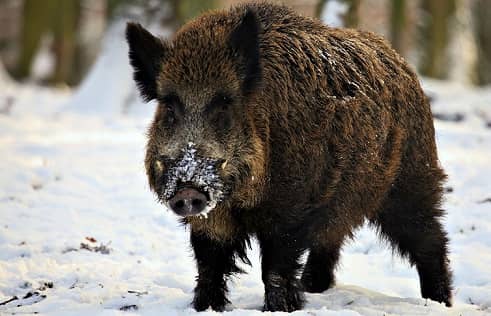

Wild boars are formidable inhabitants of the forest, they are large in size and large tusks, they belong to the objects of hunting.
Brown bear
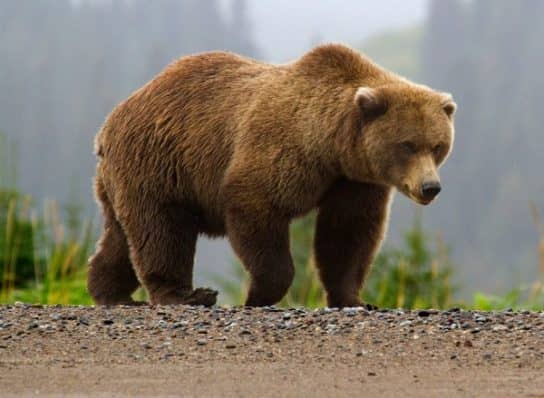

Brown bears are listed in the Red Book. It is a very strong animal with a powerful body and thick hair, its life span is 35 years, and its weight is about 100 kg in spring, before winter, the weight increases by 20%. They prefer to live in dense forests and swampy areas.
Tushkanchik
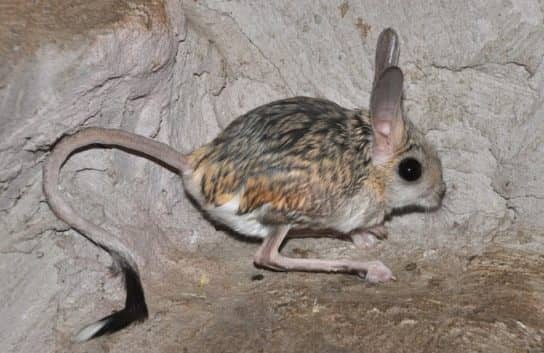

The jerboa is found in the forest-steppe and in the semi-desert, very fast animals, their speed can reach 5 km per hour, they move on their hind legs.
Animals of the steppes and semi-deserts
In the steppe and semi-desert there are:
Saiga
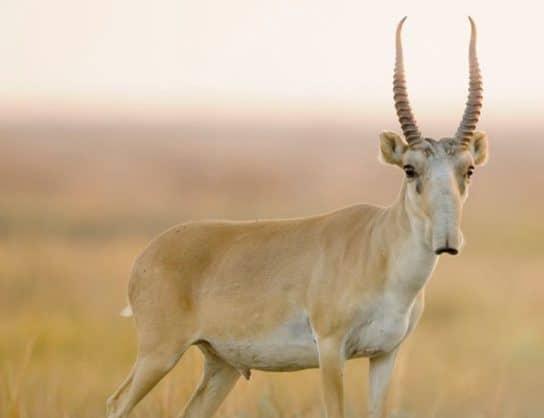

Saiga antelope (saiga) is on the verge of extinction, this cloven-hoofed animal prefers to settle in the steppes and semi-desert. The mammal is not large in size with a trunk-like nose and rounded ears. Horns are found only in males, which are much larger than females.
Sand Fox Korsak
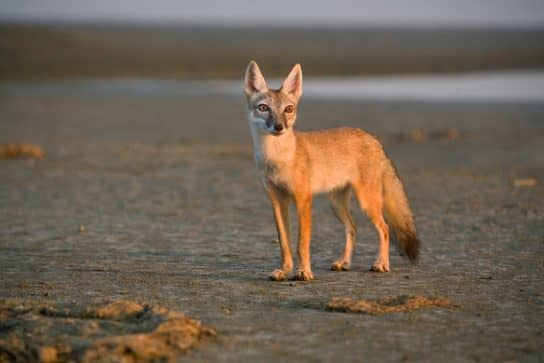

The Korsak sand fox adjoins the Canidae family, it is smaller than an ordinary fox and has a short sharp muzzle, large ears and long limbs, a height of 30 cm, and a weight of up to 6 kg. Prefers steppe and semi-desert.
The sandy badger lives in dry areas not far from water bodies, and is nocturnal. Omnivorous.
Eared hedgehog
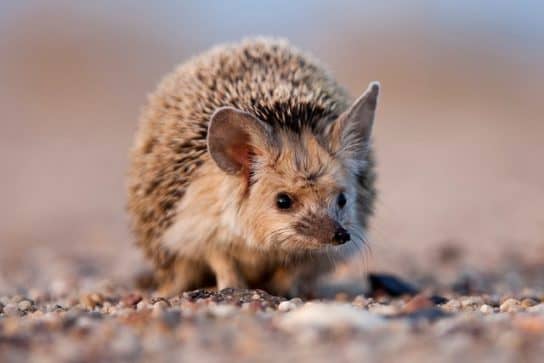
The long-eared hedgehog, a representative of this species is small in number, they look like an ordinary hedgehog, only with very large ears, they are nocturnal.
Midday gerbil
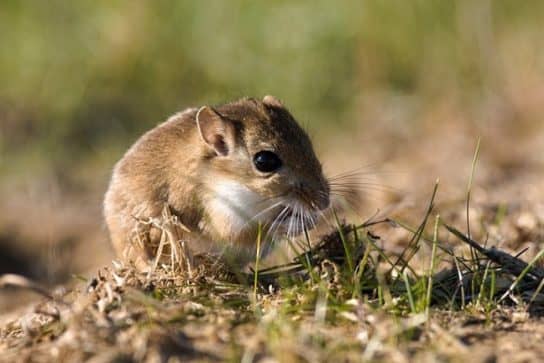
The comb and midday gerbil belongs to the species of Rodents and has golden-red (midday) and brownish-gray (comb) colors.
Even during the Soviet Union, such animal species were acclimatized as:
Nutria
Nutria belongs to rodents, reaches a length of up to 60 cm and a weight of up to 12 kg, the largest weight in males. It has a thick coat and a bald tail, which serves as a rudder during swimming. The animal settles near water bodies, does not like the cold, but is able to endure frosts at -35 degrees.
Raccoon dog
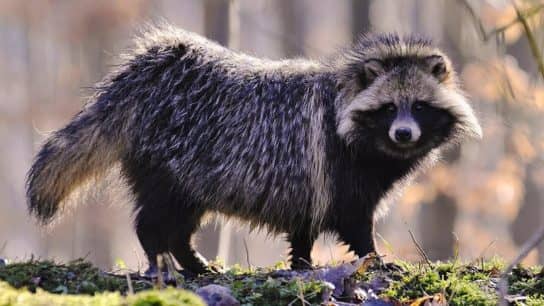

The raccoon dog is an omnivorous predator of the Canidae family. The animal looks like a cross between a raccoon (color) and a fox (structure), lives in holes.
Altai squirrel
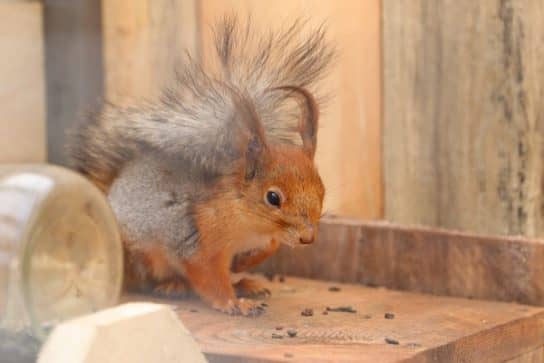
Altai squirrel, it is much larger than the usual squirrel and has a black-brown, bright black color with a blue tint. In winter, the fur lightens and takes on a silvery-gray tone. Lives in coniferous deciduous forests.
Altai marmot
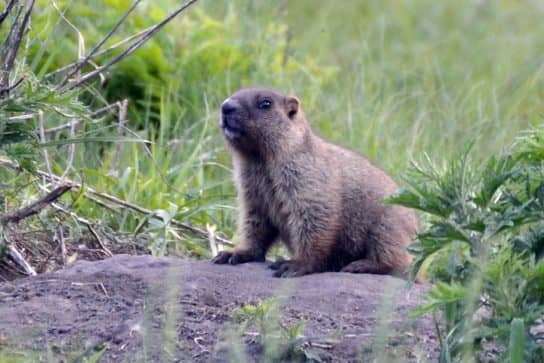
The Altai marmot has a long sandy-yellow coat with an admixture of black or black-brown, it can reach 9 kg.
Dappled deer
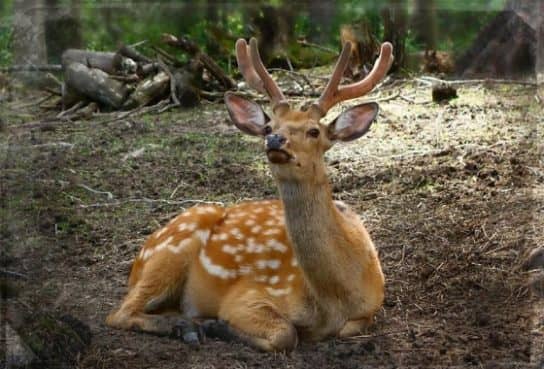

Sika deer, in summer it has a reddish color with white spots, in winter the color fades. Lives in the wild for no more than 14 years. The animal lives in deciduous forests, prefers oak plantations.
Roe deer
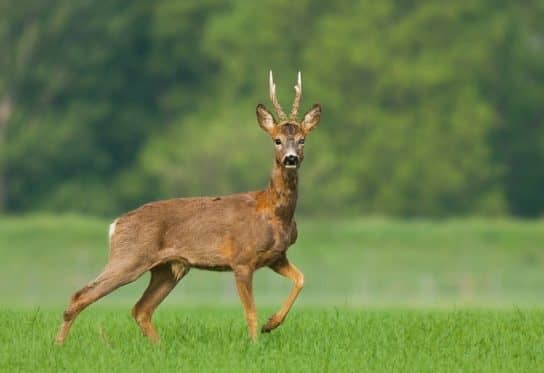

Roe deer belongs to the genus Deer, in summer they are dark red in color, and in winter they are gray-brown. Refers to permitted hunting objects.
In the Stavropol Territory there are extensive hunting grounds where you can hunt wild boars, muskrat, pheasant. There is an opportunity to purchase a license in hunting farms for waterfowl, wolf, fox, marten, hare and ground squirrel.
Rare animals
Caucasian jungle cat
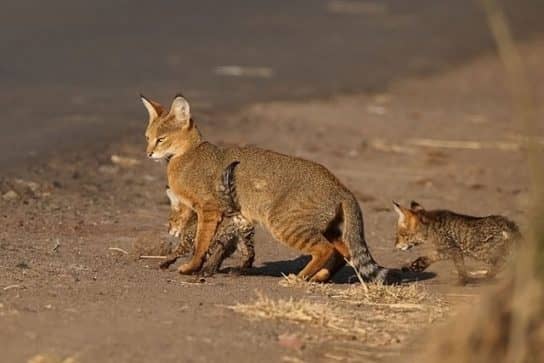
Caucasian jungle cat is an animal of medium size, long legs and a short tail. Only a few individuals survived.
Caucasian forest cat
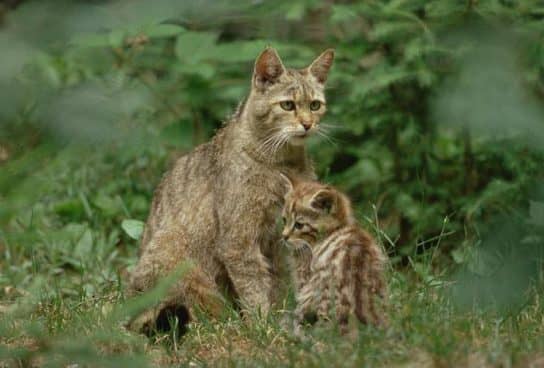

The Caucasian forest cat belongs to the Felidae family and is very similar to the domestic cat, only with larger sizes. The color of the animal is gray-red with a yellow tinge, clear stripes are observed on the back and sides.
Steppe ferret
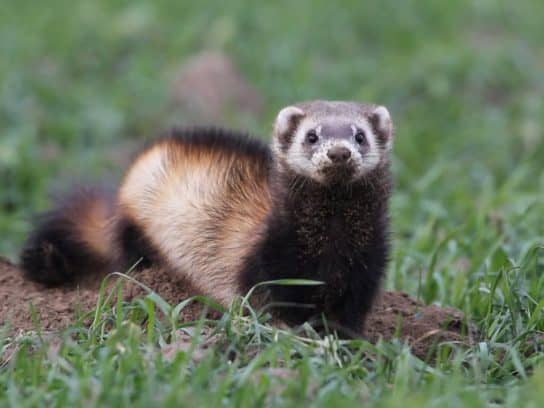

The steppe polecat is on the verge of extinction, due to the reduction of the steppe zone and capture for the sake of valuable fur.
The Gadaur snow vole resembles a hamster in its appearance, it is preferable for it to live in a rocky area or in thickets of bushes, it is included in the Red Book.
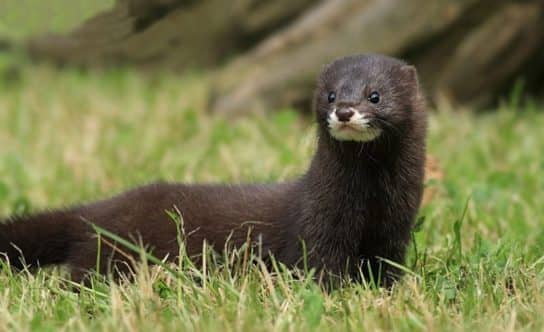
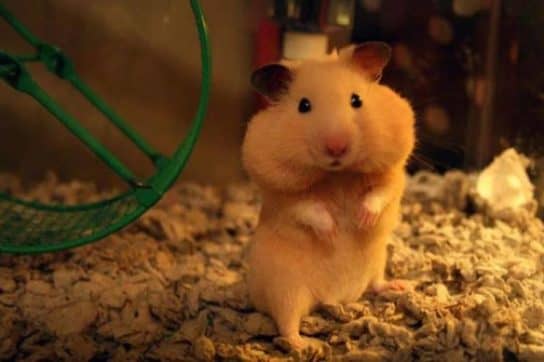
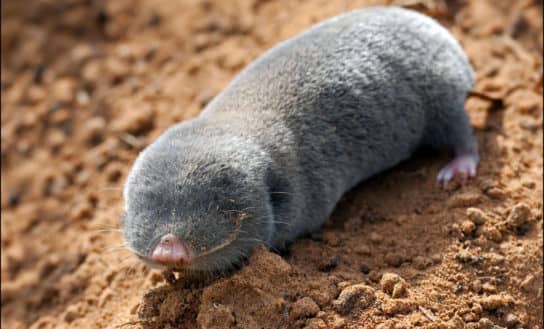
In order to prevent the extinction of some species of animals and birds, 16 state sanctuaries have been organized in this area. In addition to the species presented, mink, several species of bats, hamsters, and mole rats are protected.
Mink

Hamster

Deaf

Amphibians and reptiles
Consider the small number of individuals that are under protection, their capture is prohibited.
Caucasian toad
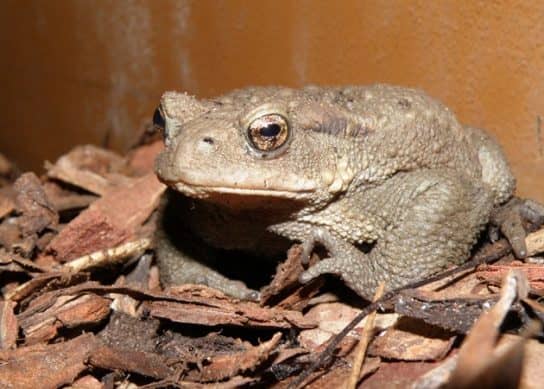

The Caucasian toad is the largest amphibian in Russia, the body length of a female can reach 13 cm.
Asia Minor frog
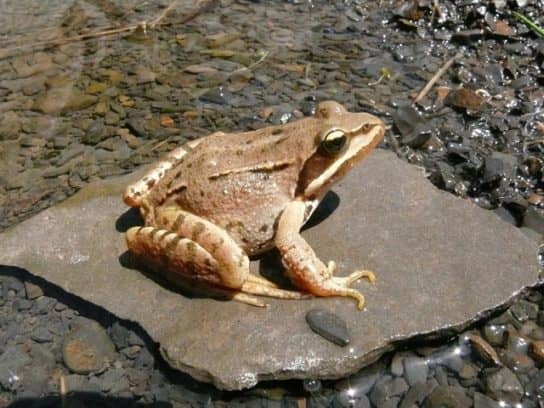
Asia Minor frog, it is a rare species of animals.
Triton chain
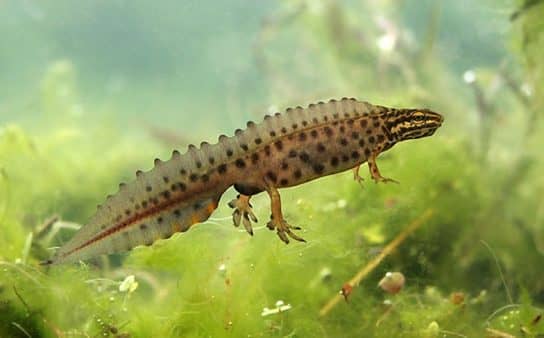

Lanza newt lives in coniferous, deciduous and mixed forests.
Reptiles include lizards, snakes, sand boa constrictors, snakes and vipers, which are included in the Red Book.
Birds
Of the birds, you can most often encounter such representatives:
Bustard
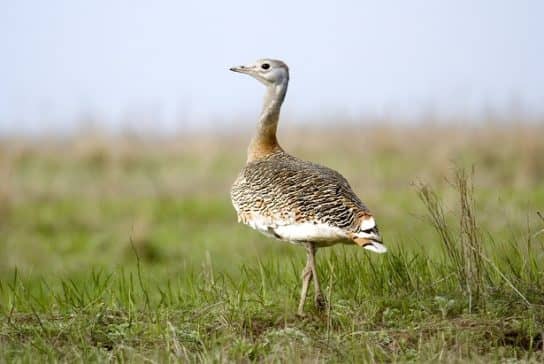

The bustard is a large bird, found in the steppe, belongs to the Crane-like order, reaches a size of up to 16 kg (male) and has a variegated color (red, black, gray, white).
Strepet
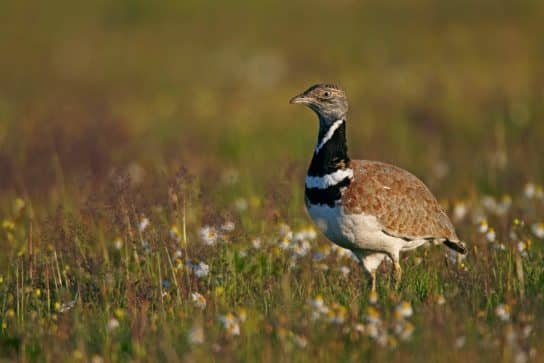

Little bustard does not exceed the size of an ordinary chicken, it is like a partridge. The upper body is sand-colored with a dark pattern and the lower body is white.
Demoiselle crane
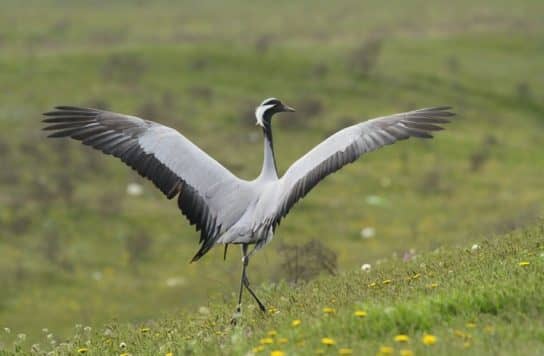

Demoiselle crane is the smallest representative of the Cranes, its height is 89 cm, and weight is up to 3 kg. The head and neck are black, in the area of the beak and eyes there are areas of light gray feathers, the beak is short, yellowish.
Large feathered predators include:
Eagle-graveyard
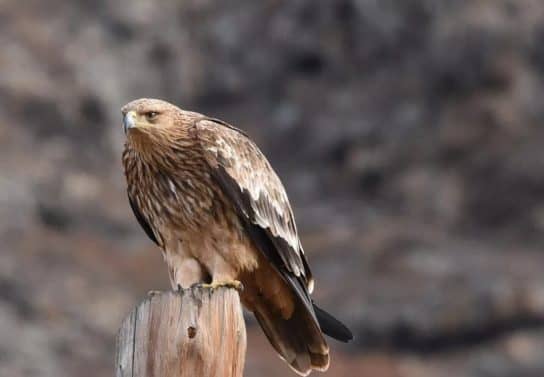

Eagle-burial, it belongs to the largest representatives of birds, body length up to 80 cm, wingspan up to 215 cm, weight about 4.5 kg. Females are much larger than males. The color is dark brown, almost black with snow-white spots on the wings and a brown-gray tail.
Buzzard eagle
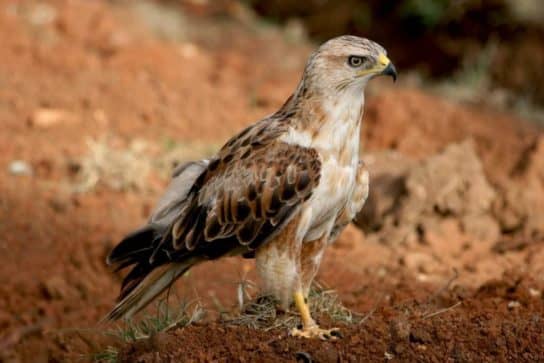
The Buzzard eagle, in contrast to the eagle, has a reddish plumage, they adhere to the steppe, forest-steppe and desert.
They prefer to settle in the mountains:
Caucasian Ular
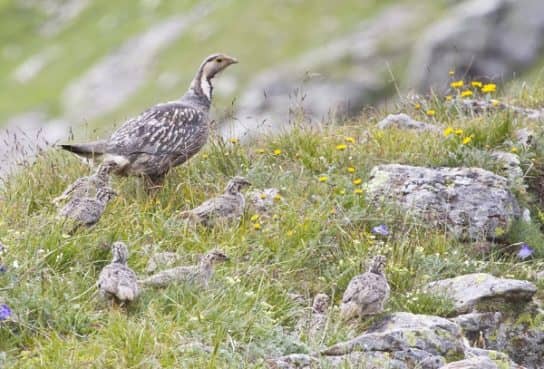
The mountain turkey is a relative of the pheasant, like a cross between a domesticated chicken and a partridge.
Caucasian black grouse
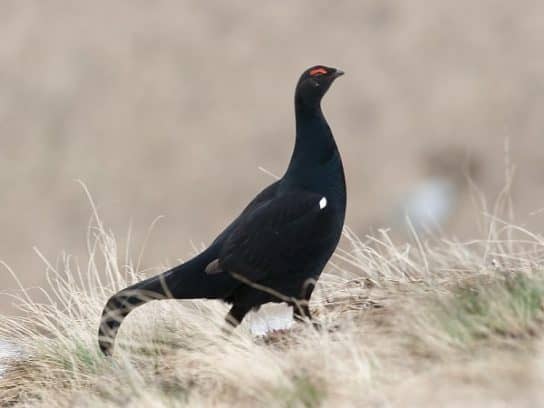
The Caucasian black grouse is listed in the Red Book. The bird is black with blue patches, white plumage on the tail and wings, and red eyebrows.
Orel-borodach
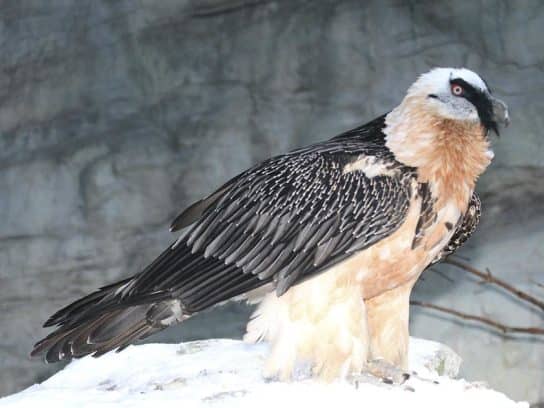
The bearded eagle is a scavenger vulture, with plumage on its head and neck, sharp wings with a wedge-shaped tail.
Griffon vulture
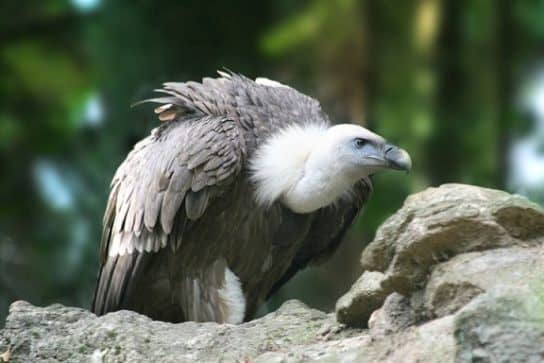
The griffon vulture belongs to the hawk family and is a scavenger.
In total, more than 400 species of birds live in forests, mountains and plains.
Plants
Forests cover a large area of the entire region, about 12441 hectares. In the suburbs, not far from water bodies, near the mountains grow:
Oak
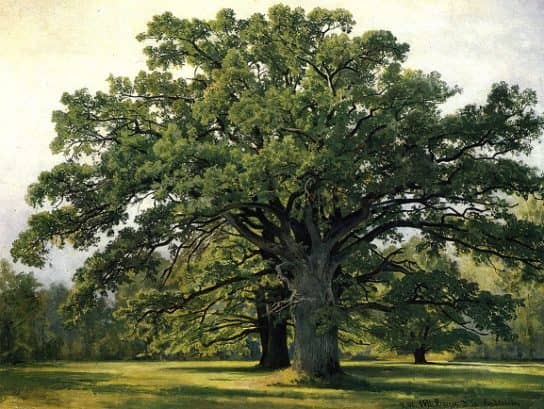

Oaks belong to the Beech family, are a means of survival for many animals: deer, wild boars, squirrels.
Beech
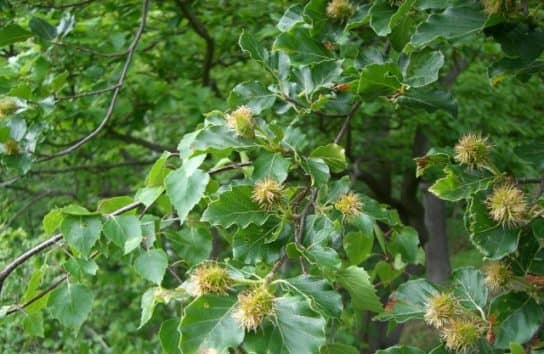

Beeches are deciduous trees, a very branched variety, and can be encountered both in the city and in the mountainous areas.
Maple
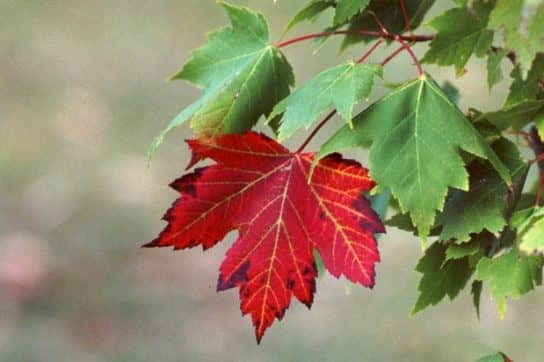
Maples reach a height of 40 meters, belongs to deciduous plants, grows very quickly.
Ash
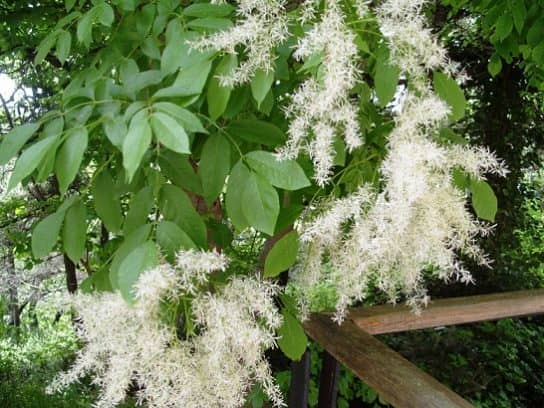
Ash trees have opposite and uneven-pinnate leaves, the height of the trunk reaches 35 m and the thickness is up to 1 meter.
Grab
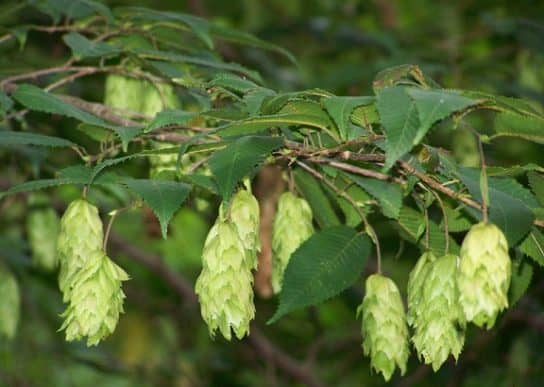

Hornbeam belongs to the Birch family, is characterized by very slow growth and prefers loose calcareous soil, does not tolerate diseases well, and is a very whimsical plant.
Wild apple tree
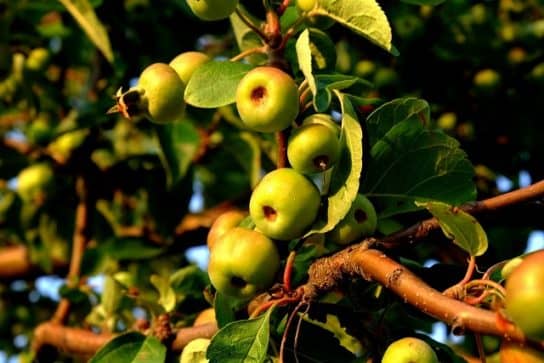
The wild apple tree looks like a bush or small tree with small fruits.
In other words
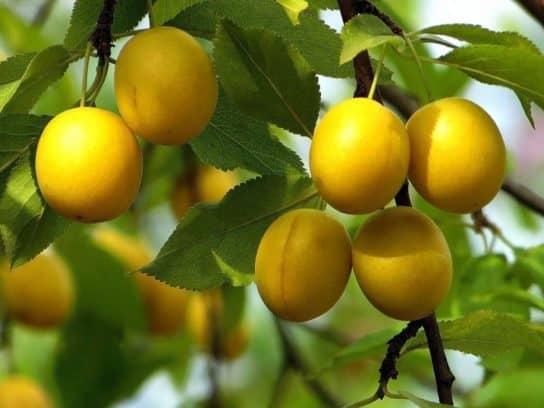
Cherry plum cherry plum is very similar to cherry, yellow fruits sometimes with reddish sides.
About 150 years ago, the Stavropol Territory was mostly covered with beech forests, now forests are observed in those zones where there are appropriate climatic conditions with normal humidity levels.

