




The forest-steppe is understood as a natural zone, which consists of steppes and interspersed with forest areas. A feature of such territories is the absence of characteristic species of flora and fauna. In the steppe you can see squirrels, martens, hares, elk and roe deer, and at the same time you can see hamsters, mice, snakes, lizards, prairie dogs and various insects. The animals master well in the forest-steppe zones and adapt to the climate inherent in these territories. Mostly this area can be found in Europe and Asia. The forest-steppe zone consists of transitional regions, for example, originates in temperate grassland and ends in deciduous and coniferous forests.
Animals
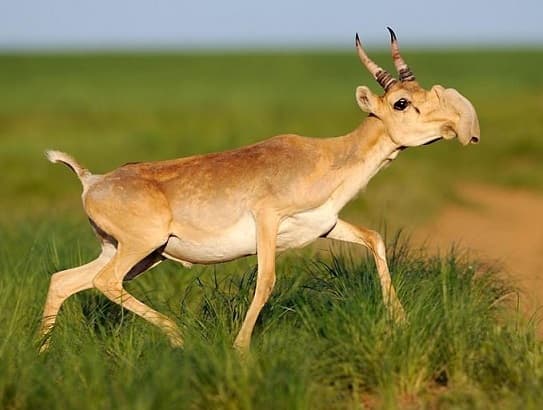
Saiga
Saiga antelope is a steppe antelope with a characteristic proboscis. It belongs to the family of bovids and the order of artiodactyls. This representative is considered a unique animal that found the era of mammoths and has survived to this day. However, the species is endangered. The saiga lives in steppe and semi-desert natural zones.
Prairie dog


Prairie dogs are called rodents, which are related to dogs by a sound that resembles barking. Rodents are in the family of squirrels and have many external similarities with marmots. An adult grows to a height of 38 centimeters with a maximum body weight of 1.5 kilograms. Most often they can be found in the steppe and semi-desert zones of North America.
Tushkanchik
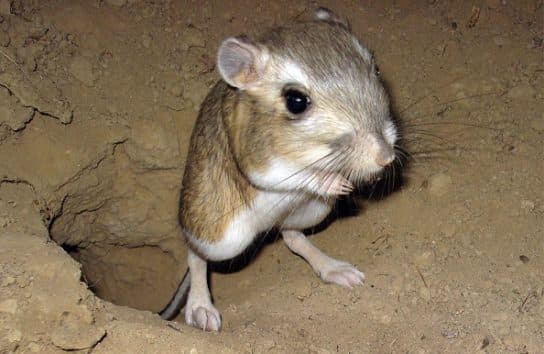

Jerboas are rather small animals that belong to the order of rodents. They live in the desert, semi-desert and steppe regions of Europe, Africa, Asia and North America. The appearance of the jerboa resembles a kangaroo. They are endowed with long hind legs, with the help of which they can jump at a distance exceeding their body length by 20 times.
Giant mole rat


The giant mole rat is endemic to the semi-deserts of the Caspian region of the northeast of the Ciscaucasia. The size of these representatives can vary from 25 to 35 centimeters in body length with a weight of about one kilogram. Their body color can be light or buffy-brown with a white belly. There are representatives with spots on the forehead and abdomen.
Corsac
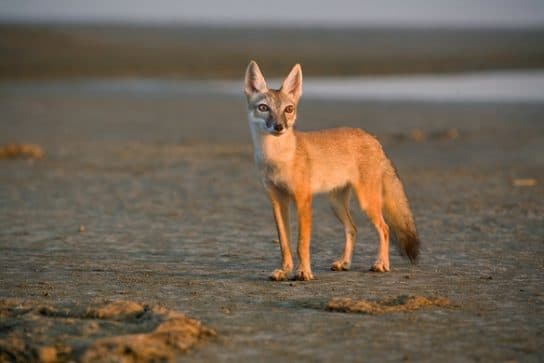

Korsak is also known as the steppe fox. This animal has become an object of commercial hunting because of its valuable fur. Since the last century, the intensity of hunting for corsac has decreased, as their number has sharply decreased. The appearance of the corsac resembles a small copy of an ordinary fox. In addition to size, the difference lies in the dark tip of the tail. You can meet a Korsak in most of Eurasia and in several regions of Russia.
Baibak
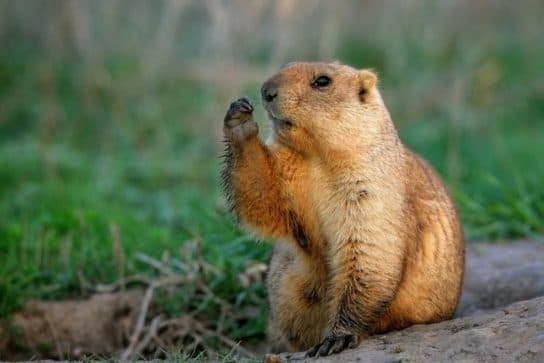
Baibak is one of the largest representatives of the squirrel family. It lives on the virgin steppes of Eurasia, and is also widely distributed in Russia. The body length of the bobak reaches 70 centimeters and weighs up to 6 kilograms. It is typical for him to spend the winter in deep hibernation, before which he intensively accumulates fat.
Kulan
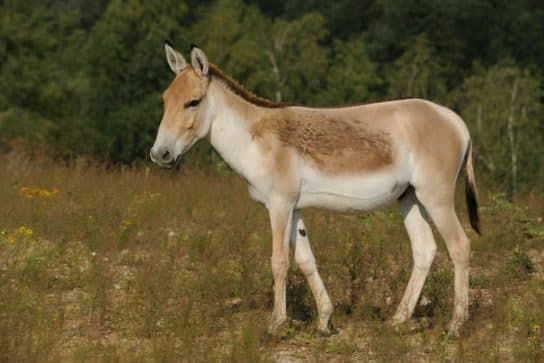
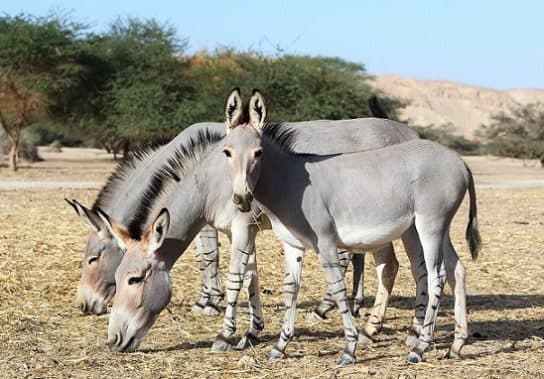
The kulan is a species of wild donkey species. In another way, it is called the Asian donkey. It belongs to the equidae family and is related to the African species of wild donkeys, as well as zebras and wild horses. There are a large number of species of kulans, which differ in their habitat and external features. The largest kiang is the kiang, which weighs about 400 kilograms.
Eared hedgehog

This representative differs from an ordinary hedgehog with its five-centimeter ears, for which it received the name “eared”. These animals are also notable for the fact that they can do without food and water for a very long time. In a period of danger, they do not curl up into a ball, but bend their heads down and hiss, trying to prick the enemy with their needles. You can meet the eared hedgehog from North Africa to Mongolia in areas with arid climates.
Gopher
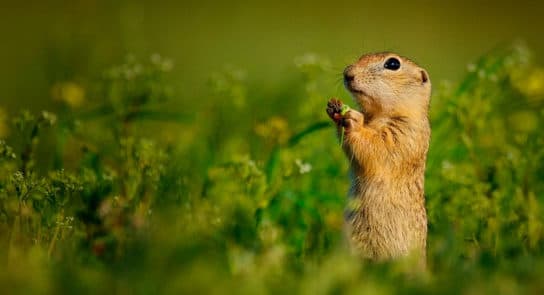

The gopher is an animal from the order of rodents and the squirrel family. They have spread widely throughout Eurasia and North America. They prefer to live in the steppes, forest-steppe and forest-tundra. The genus of ground squirrels includes about 38 species, 9 of which can be found in Russia. Adults can reach a body length of 25 centimeters with a weight of up to one and a half kilograms.
Common hamster
The common hamster is the largest of all relatives. It can reach a body length of 34 centimeters. He attracts the attention of many animal lovers with his cute appearance, funny habits and unpretentiousness. Common hamsters are found in the steppe and forest-steppe of Western Siberia, Northern Kazakhstan and southern Europe.
Marmot


Wildebeest
Bison


Caracal


Jeyran


Steppe cat Pallas’ cat


Russian hare


Fox
Affection
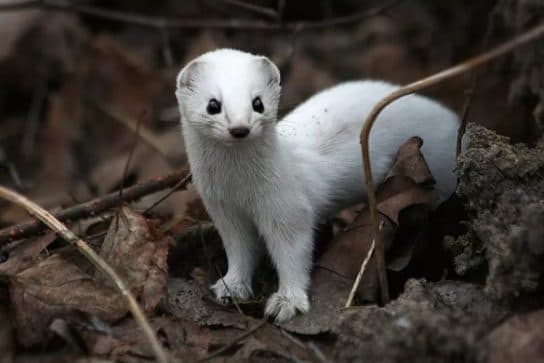
Steppe ferret
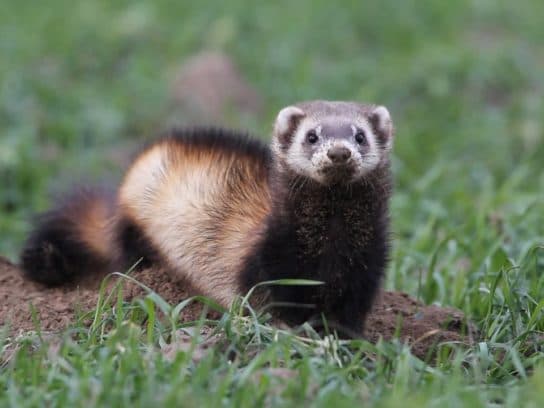
Bison
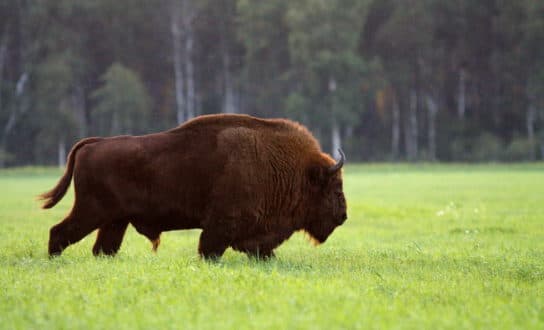

Tarpan
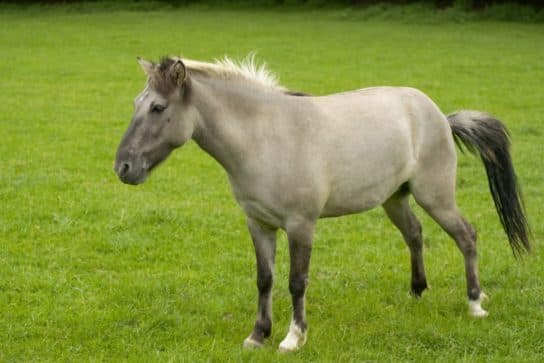
Wild donkey

Plants
Common mullein
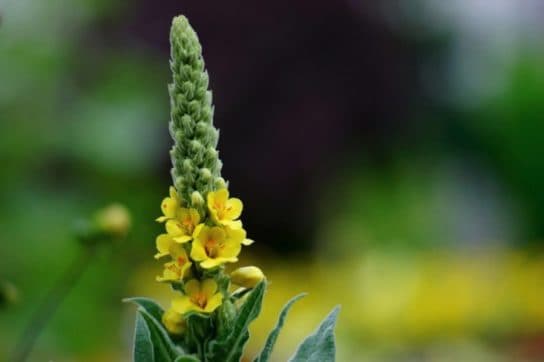
The common mullein is a biennial herb with dense pubescence. Inflorescences are yellow with a box-shaped fruit. This plant is found almost everywhere. Flowers are widely used in folk medicine as an anti-inflammatory and expectorant. Separately spread as an ornamental plant.
Spring adonis
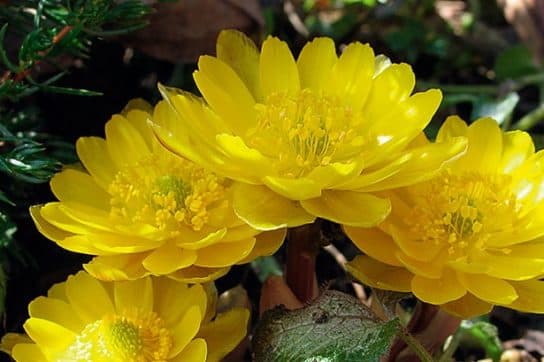
Spring adonis is a perennial herb that belongs to the buttercup family. It can reach a height of 50 centimeters. Differs in large yellow flowers. The fruit is a composite cone-shaped dry achene. Spring adonis is used in folk medicine as a sedative and anticonvulsant.
Thin-legged comb
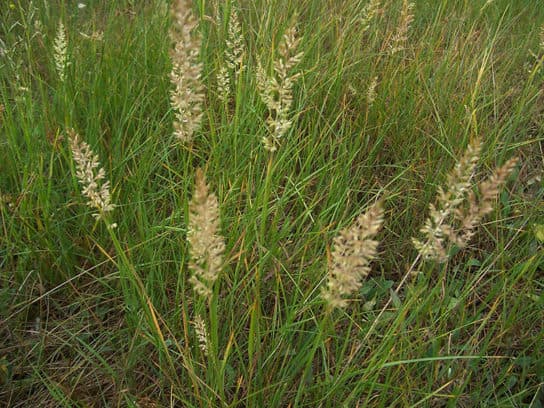
Thin-legged crested is a perennial plant, the stem of which can reach a height of 40 centimeters. Spikelets are purple in color and usually appear in the middle of summer. It is found in the southern part of Russia, and grows mainly in the steppes and dry meadows. Used as an ornamental plant.
Shizonepeta multi-cut
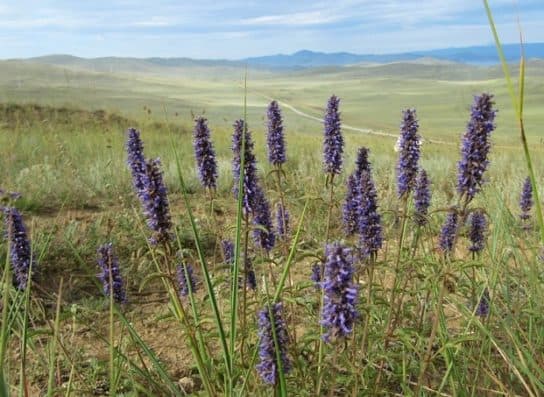

Shizonepeta multi-cut is a type of perennial herbaceous plants. It is distinguished by a woody root and a low stem. The flowers are blue-violet and are collected in spike-shaped inflorescences. In medicine, this plant is recognized as an antimycotic, analgesic and healing agent.
Касатик безлистный
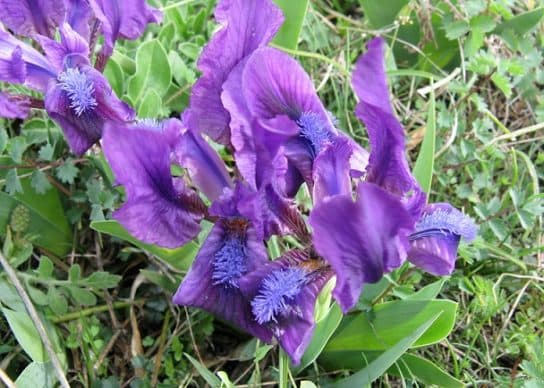

Leafless Iris is a perennial herb with a very thick and creeping rhizome. The peduncle can reach a height of 50 centimeters. The flowers are quite large and solitary, painted in a bright blue-violet color. The fruit is a capsule. The plant is listed in the Red Book of the Russian Federation.
Cornflower blue
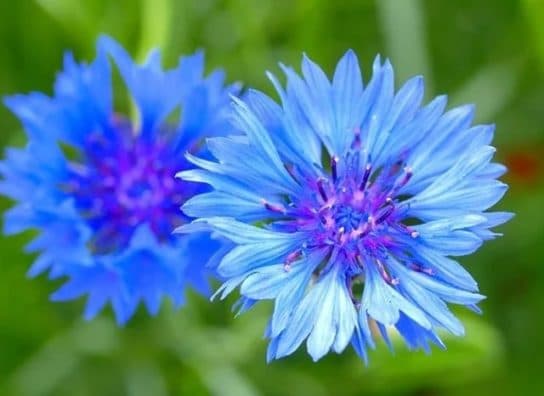

The blue cornflower is most often an annual herb. It is distinguished by a thin and erect stem, prone to lodging. Flowering begins in May and lasts until June. The flowers are bright blue. It is used in medicine because it has a number of medicinal properties: laxative, antimicrobial and diuretic.
Meadow bluegrass
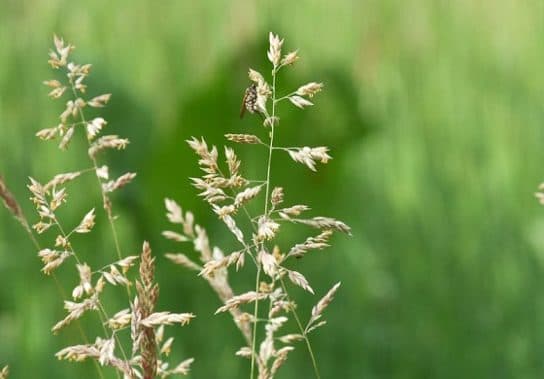
Meadow bluegrass is a perennial plant that belongs to the family cereals and the genus bluegrass. It is distinguished by ovoid spikelets with green or purple flowers. In nature, meadow bluegrass are found in the temperate regions of the Northern Hemisphere. They grow in meadows, fields and forest edges. It is widely used as a forage plant.
White melilot
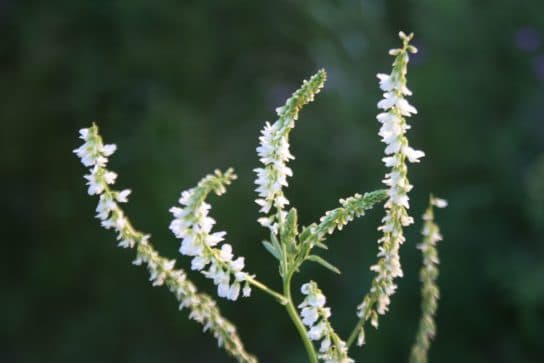
White sweet clover is a one or two year old herb that belongs to the legume family. It is distinguished by its melliferous properties, as it secretes nectar in almost any weather, thanks to which the bees can work all day. The flowering period lasts from May to August. Honey is made from sweet clover, which has medicinal properties and a pleasant taste.
Steppe sage
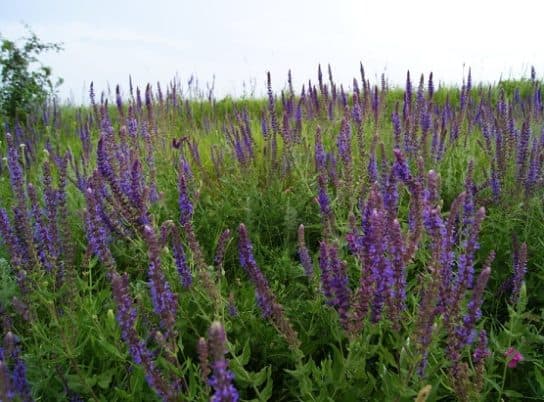

Steppe sage is a perennial pubescent plant that can reach heights ranging from 30 to 50 centimeters. The leaves are ovoid or oblong. The flowers are collected in false whorls, and the corolla is blue-violet. Grows in the steppes, glades, forest edges and rocky slopes of Eastern Europe and Central Asia.
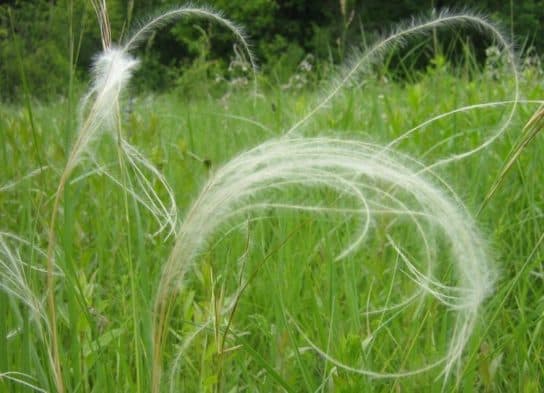
Feather grass
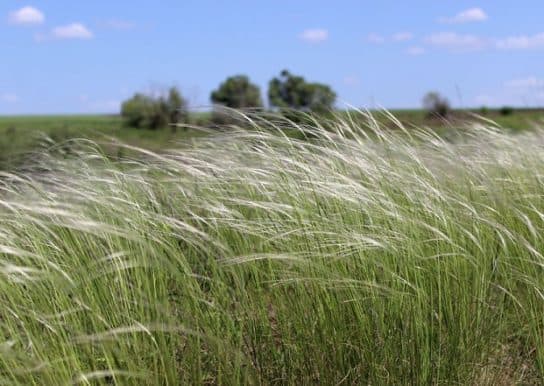

Feather grass is a perennial herb that belongs to the cereals family and the bluegrass subfamily. It is distinguished by a short rhizome, a narrow bunch and leaves twisted into a tube. The inflorescence is silky in the form of a panicle. Feather grass has received great importance as fodder for livestock. Its stems are used as food for horses and sheep.
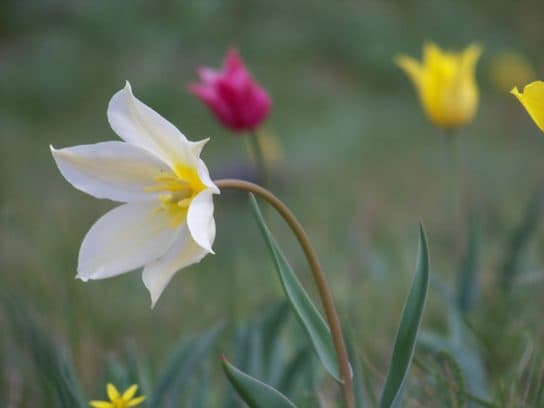
Shrenk tulip
Dwarf iris

Steppe cherry
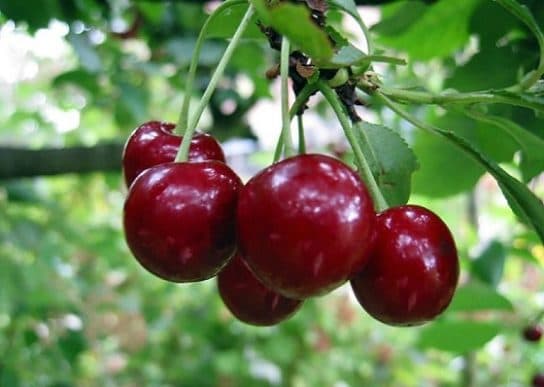
Cutter
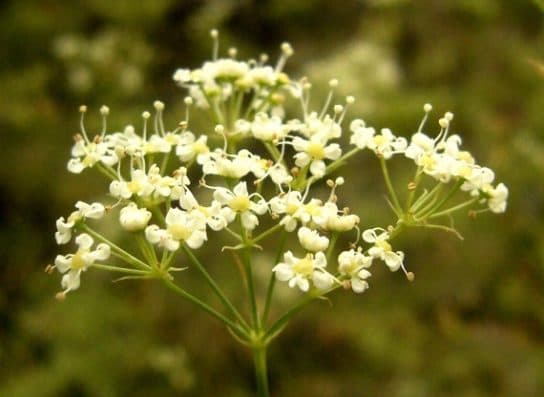
Feather grass

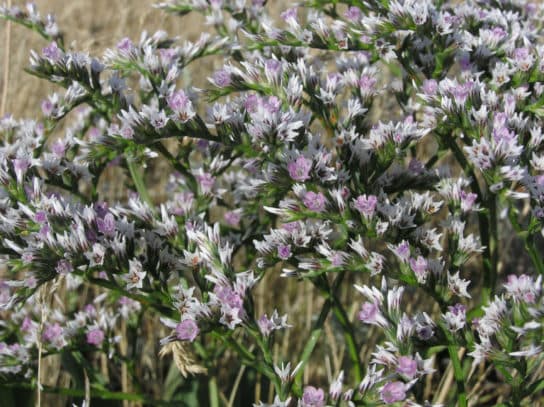
Kermek

Astragalus
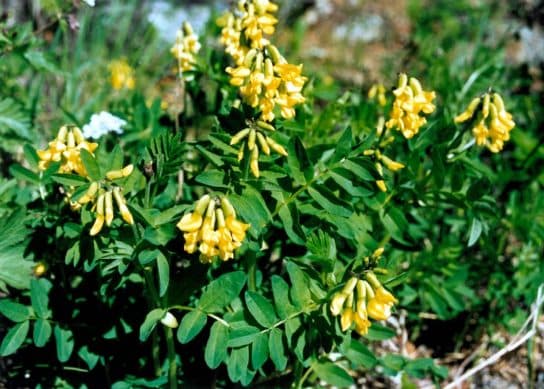

Sainfoin donskoy
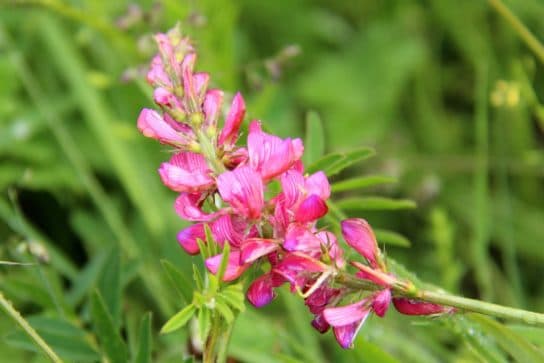
Strawberry
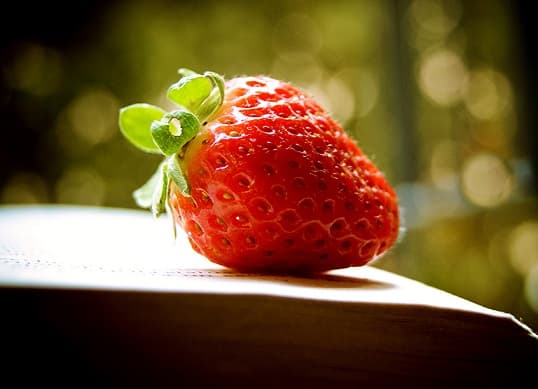

Siberian snakehead
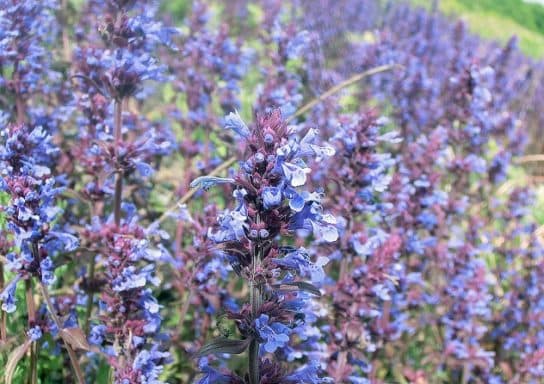

Zopnik tuberous

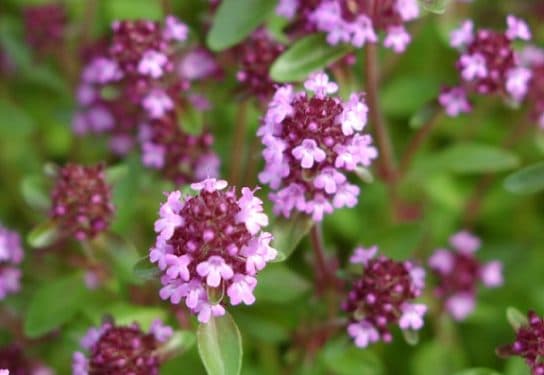
Steppe thyme

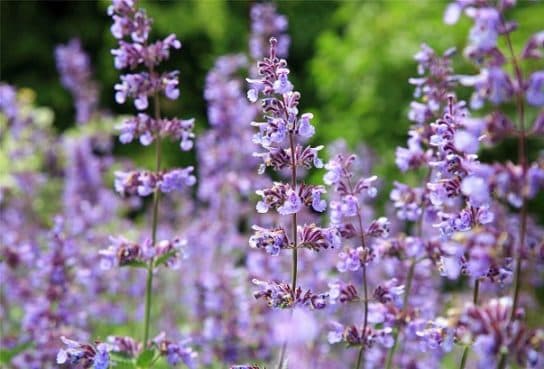
Kotovnik

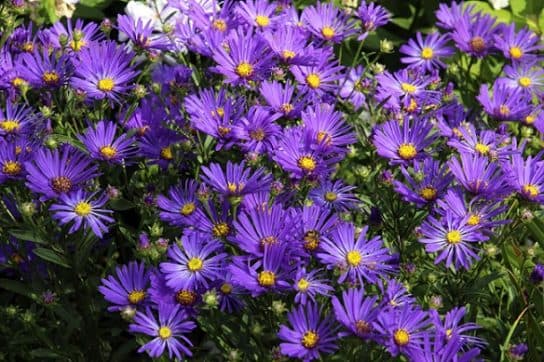
Altai aster
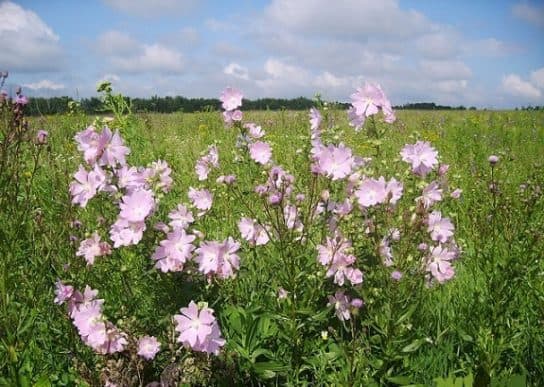
Hutma ordinary
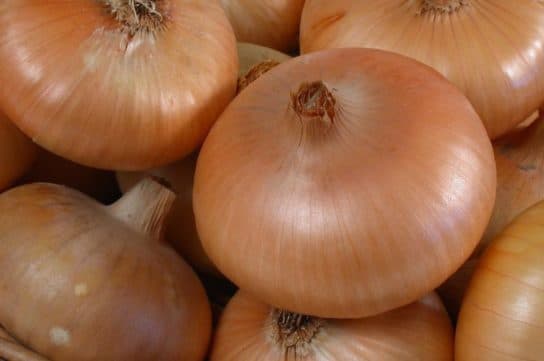
Onion slide
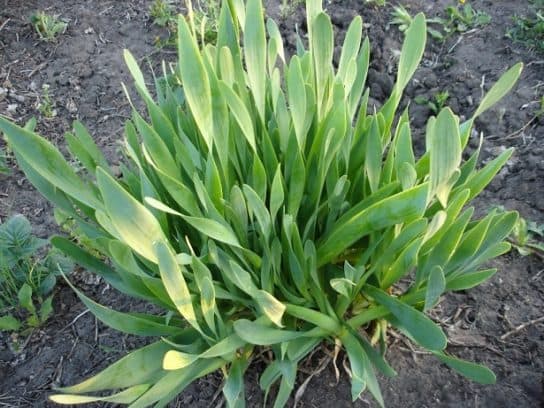
Onion
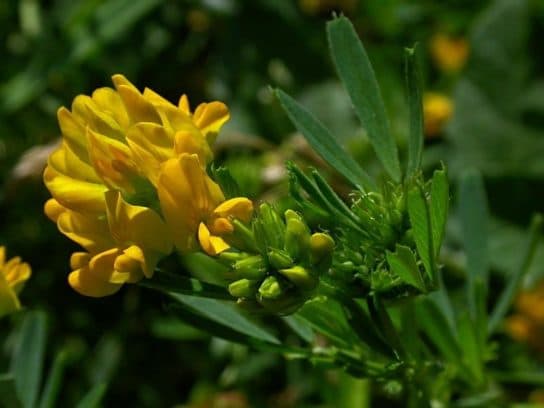
Alfalfa crescent
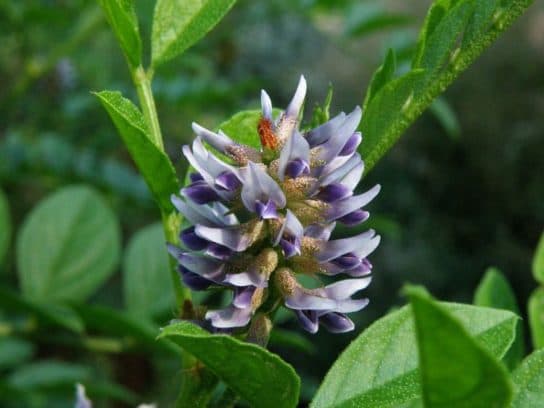
Sweet Ural
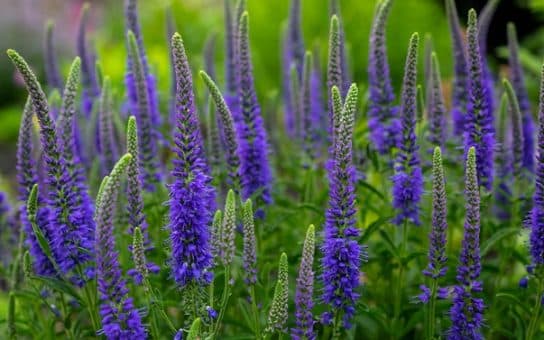
Veronica is colossal

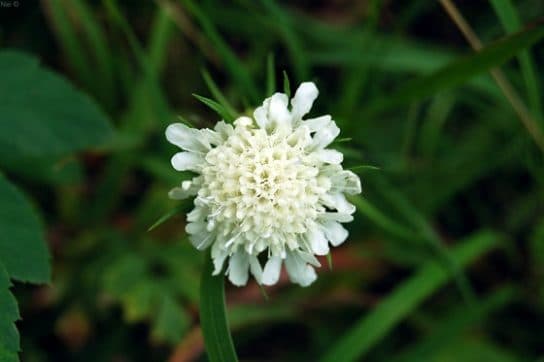
Scabiosa yellow
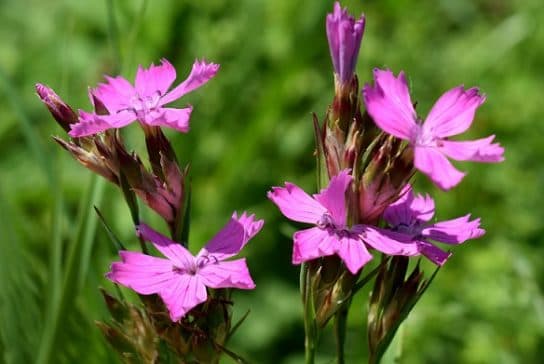
Carnation steppe

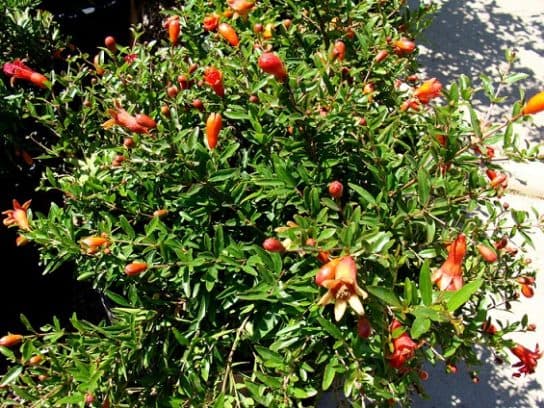
Siberian pomegranate
Gorrison Morrison
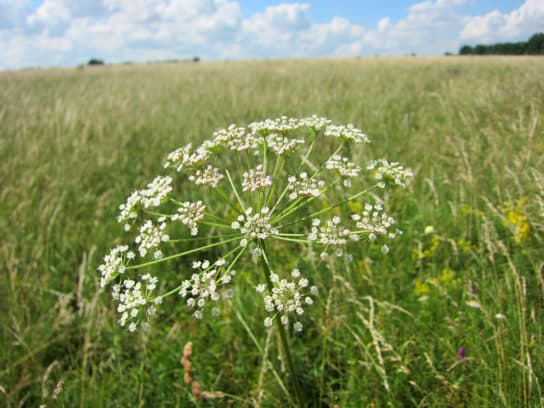
Lumbago
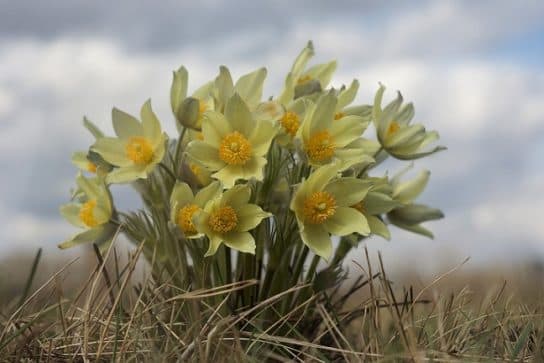
Starodubka
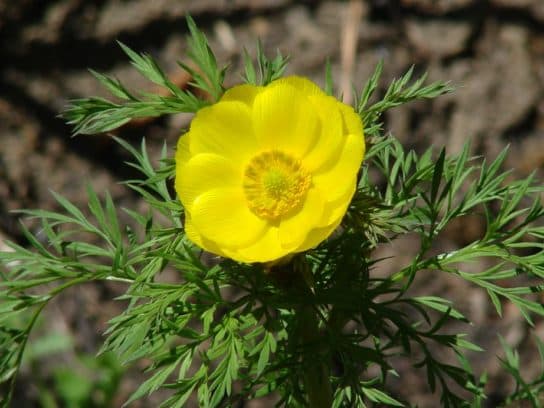
Siberian hogweed – Bunch
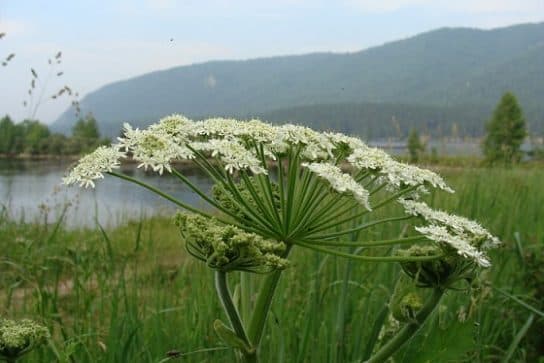
Field sow thistle
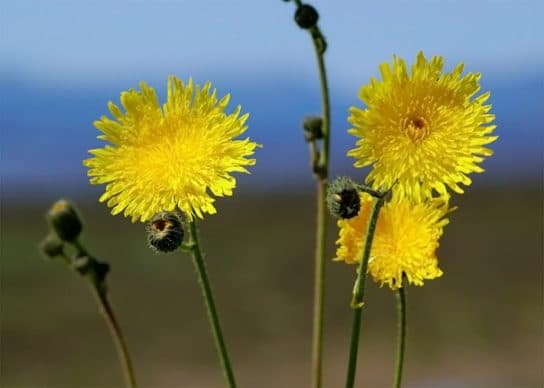
Tsmin sandy
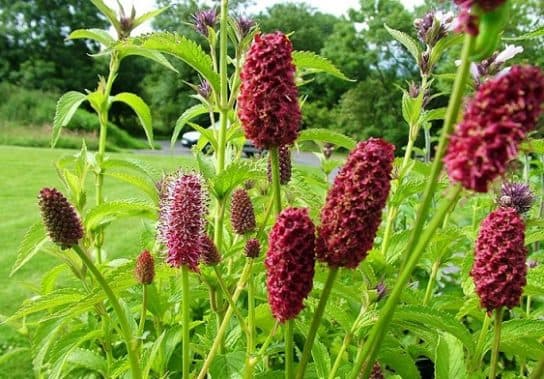

Daisy
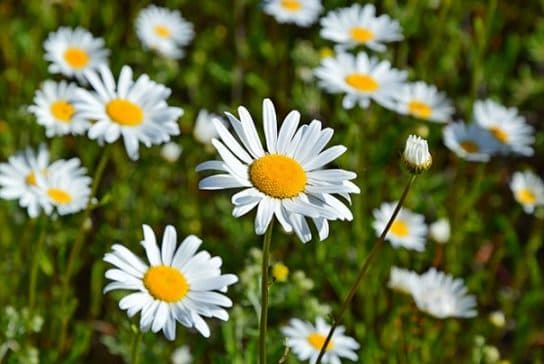
Elecampane
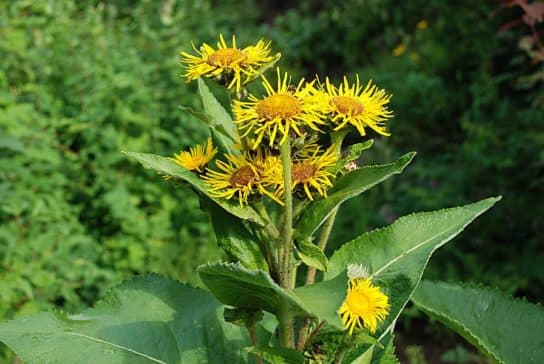
Thigh saxifrage

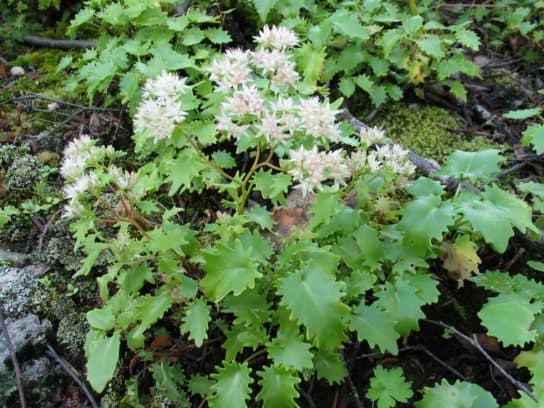
Stonecrop tenacious
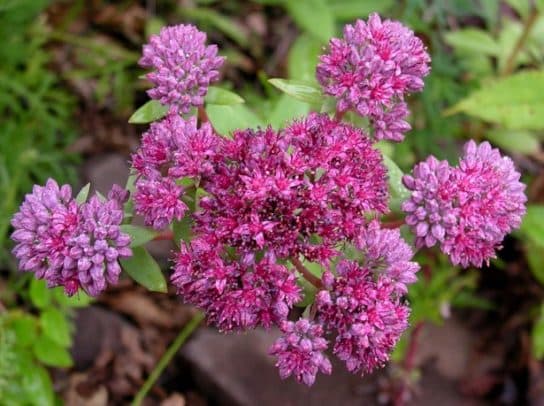
Sedum purple
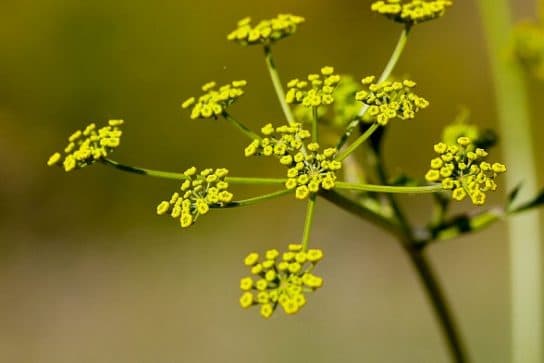
Forest parsnip

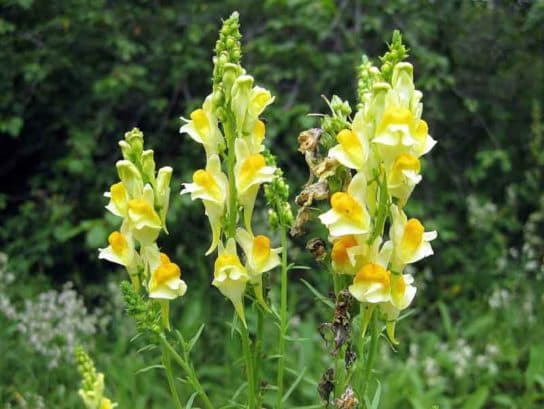
Common toadflax
Hand-shaped meadowsweet

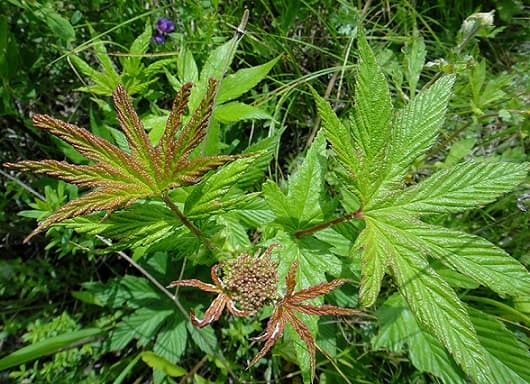
Pharmaceutical Burnet

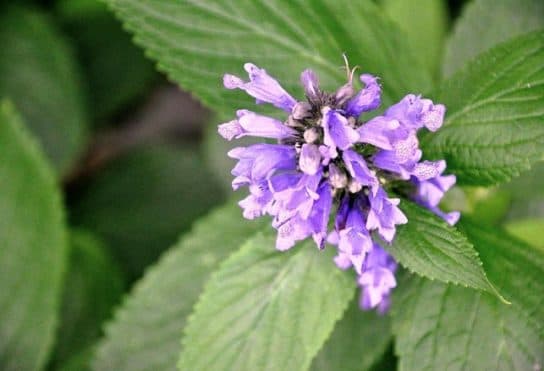
Lemon Catnip
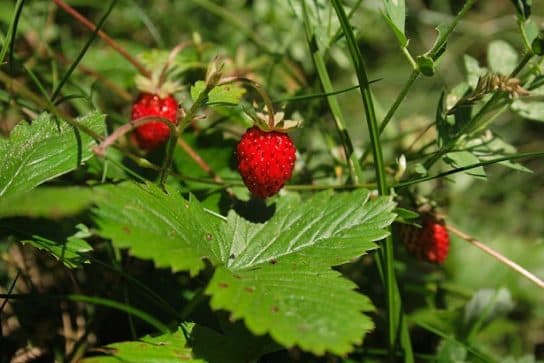
Strawberry

Birds
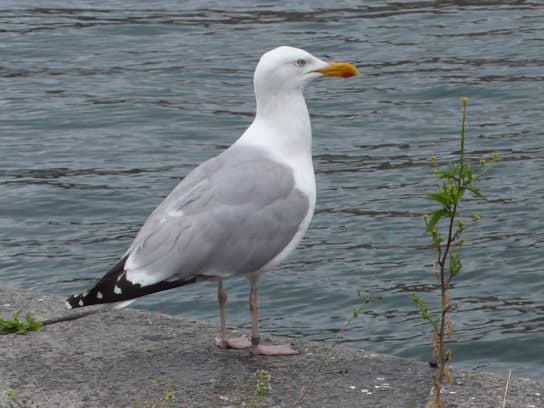
Steppe seagull
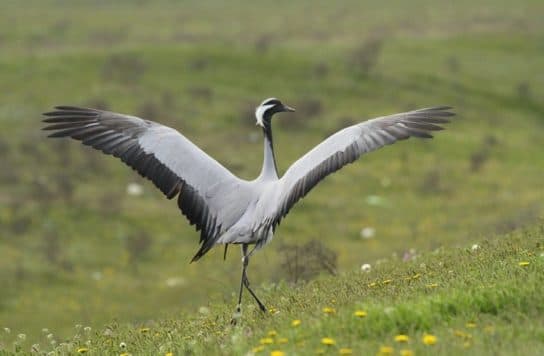
Demoiselle crane

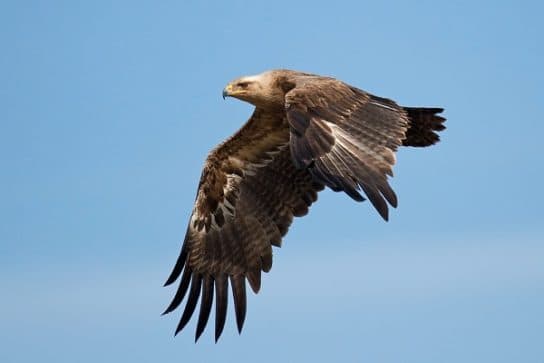
Steppe eagle
Swampy moon
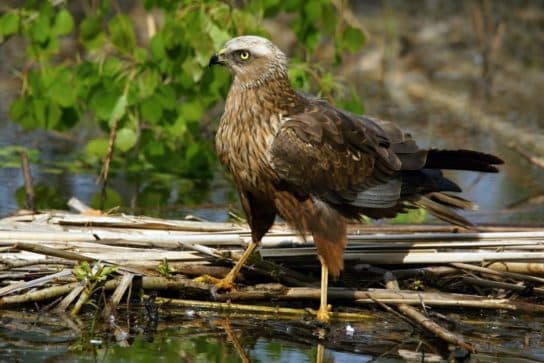
Steppe harrier


Black-headed gull

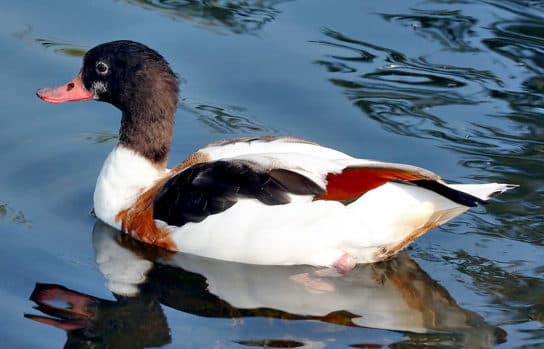
Peganka

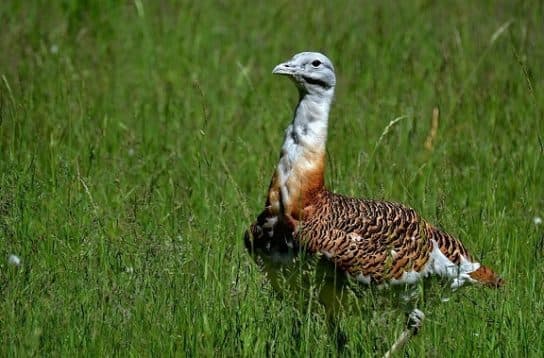
Bustard

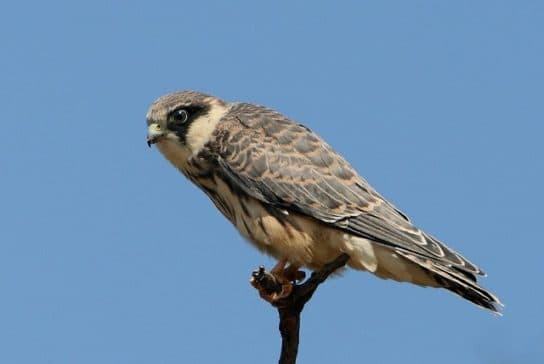
Kobchik
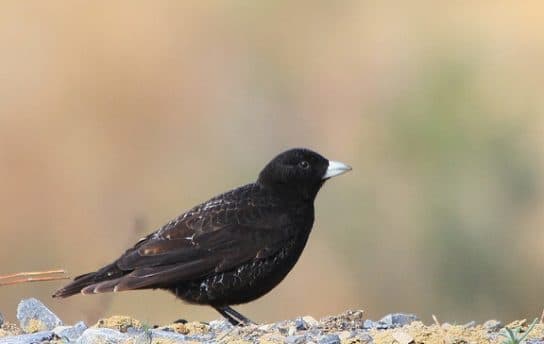
Black lark

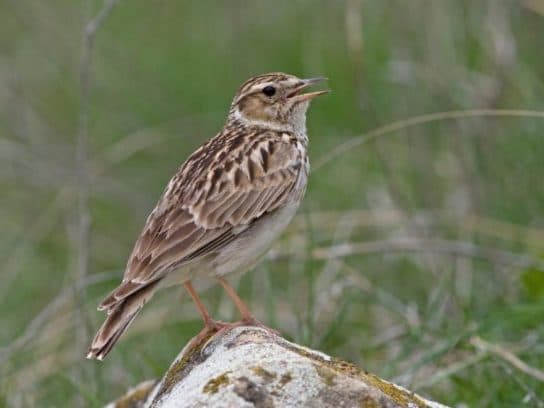
Lark


Lark
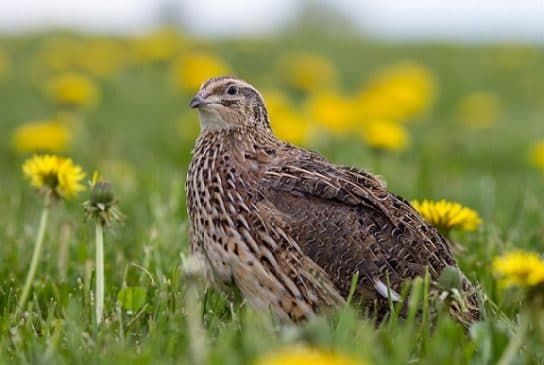
Quail

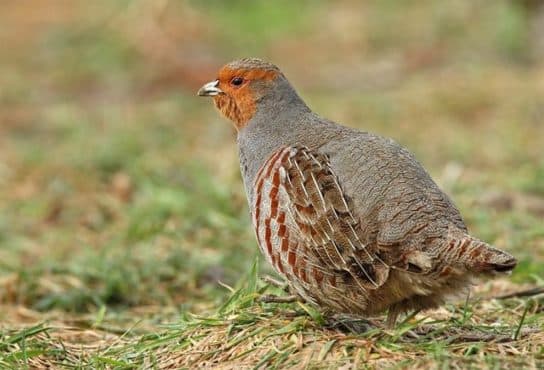
Gray duck

Gray heron

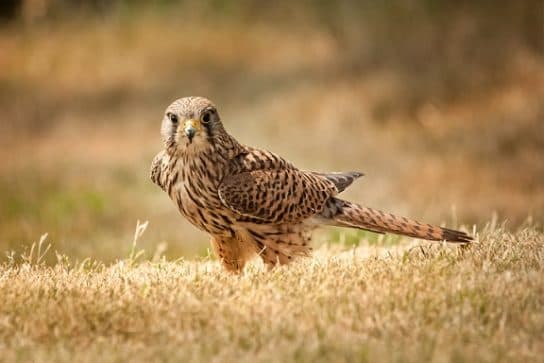
Kestrel
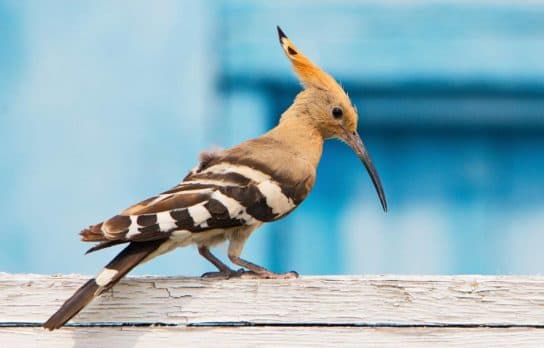
Hoopoe

Bittern

Sizovoronka


Pastor


Golden beetle
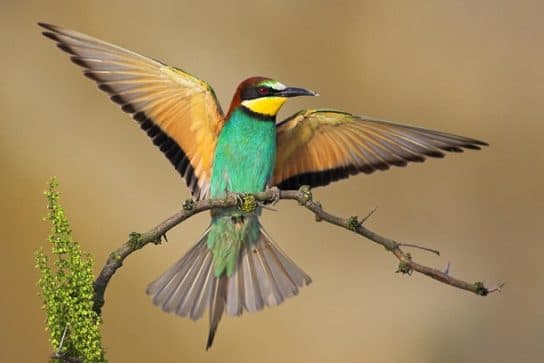
Wagtail

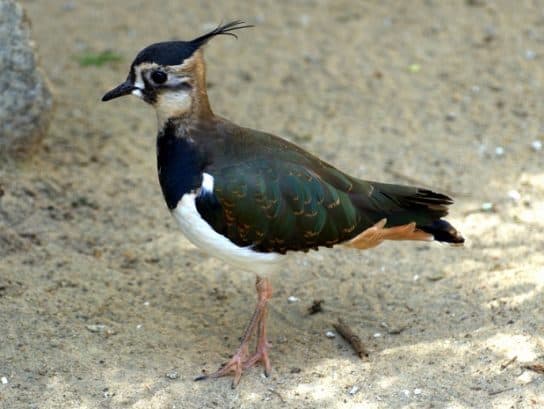
Chibis
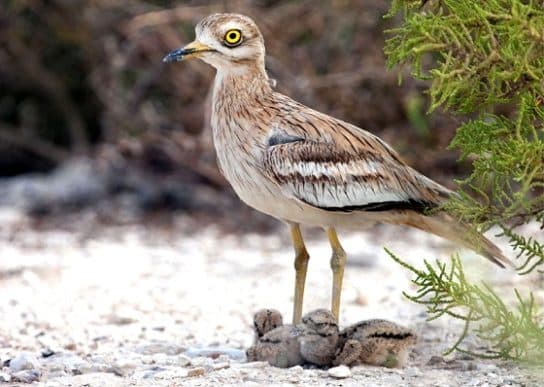
Avdotoka
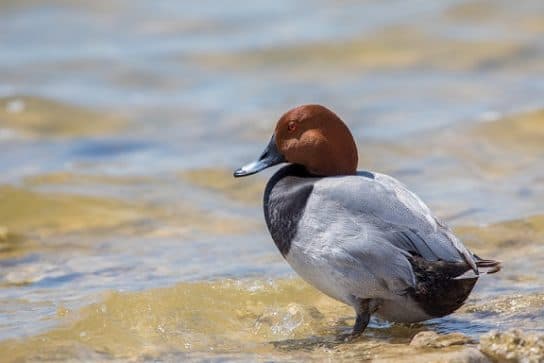
Red duck
Conclusion
The vegetation of the forest-steppe is relatively moisture-loving. On the territory of the steppes, you can find a varied number of grasses, shrubs, lichens, mosses and other representatives of the flora. The favorable climate (the average annual temperature ranges from +3 degrees to +10) favors the development of temperate deciduous and coniferous forests. The forest islets in most cases consist of linden, birch, oak, aspen, larch, pine and herbaceous plants. The most frequent inhabitants of the forest-steppe zone are rodents, birds, moose and wild boars. Currently, a large number of forest-steppes have been plowed up and turned into agricultural lands.

