


More than 400 species of monkeys live on our planet. Semi-monkeys are also distinguished, which include lemurs, squirrels and tupai. Primates are as similar to humans as possible and have unique intelligence. Mammals differ significantly from each other depending on their habitat. Some of them can grow as little as 15 cm (pygmy monkeys), while others grow up to 2 meters (male gorillas).
Classification of monkeys
Monkeys have been studied by scientists for a long period of time. There are a variety of classifications of mammals, the most common of which is considered to be the following:
- group of tarsiers;
- broad-nosed primates;
- wide-nosed marmoset monkeys;
- callimiko mammals;
- group of narrow-nosed;
- gibbon;
- orangutans;
- gorillas;
- chimpanzee.
Each of the groups has its own prominent representatives, unlike anyone else. Let’s take a closer look at each of them.
Tarsier, broad-nosed and marmoset monkeys
The first three groups of mammals are small monkeys. The smallest of them are tarsier primates:
Sirichta
Sirikhta – the length of the animals is about 16 cm, the weight rarely exceeds 160 g. A distinctive feature of the monkeys are huge, round, bulging eyes.
Bankan tarsier

The Bankan tarsier is a small primate that also has large eyes with a brownish iris.
Tarsier ghost
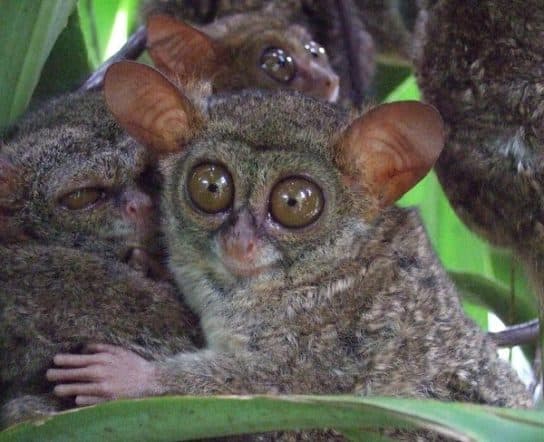

The ghost tarsier is one of the rarest species of monkeys with thin, long fingers and a woolen brush at the end of the tail.
Broad-nosed monkeys are distinguished from other mammals by the presence of a wide nasal septum and 36 teeth. They are represented by the following types:
Capuchin-like – a feature of animals is a prehensile tail.
Cry


Crybaby – this species of mammals is listed in the Red Book. The monkeys got their name due to their unique twangs that they emit.
Favi


Favi – monkeys grow up to 36 cm, while their tail is about 70 cm. Small brown primates with black limbs.
White-breasted Capuchin

White-breasted capuchin – distinguished by a white spot on the chest and muzzle of a primate. The brown color on the back and head resembles a hood and robe.
Saki-monk
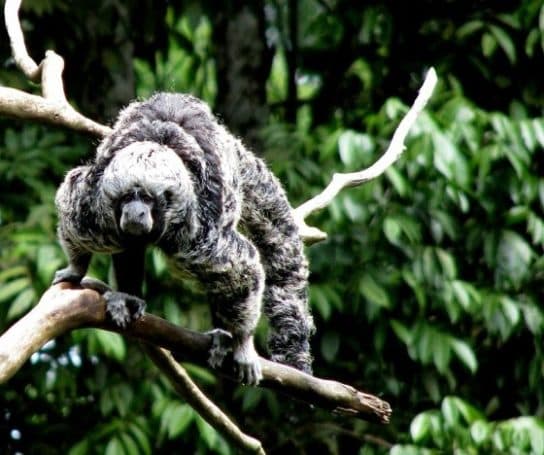

Saki monk – a monkey gives the impression of a sad and pensive mammal, has a hood hanging over his forehead and ears.
The broad-nosed marmoset monkeys include the following types of mammals:
Uistiti


Uistiti – the length of the primate does not exceed 35 cm. A distinctive feature is the elongated claws on the toes, which allow you to jump from branch to branch and grasp them perfectly.
Pygmy marmoset


Dwarf marmoset – the length of the animal is 15 cm, while the tail grows up to 20 cm. The monkey has a long and thick golden coat.
Black tamarin


Black tamarin is a small dark monkey that grows up to 23 cm.
Crested tamarin


Crested tamarin – in some sources, the monkey is called a pinche. When an animal is worried, a crest rises on its head. Primates have a white breast and forelegs; all other parts of the body are rufous or brown.
Spotted tamarin
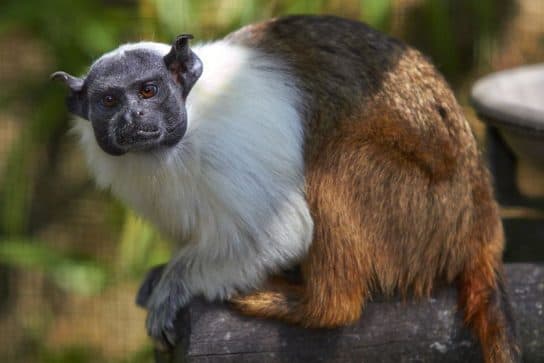
Piebald tamarin – a distinctive feature of the monkey is a completely naked head.
The small size allows you to keep some animals even at home.
Callimico, narrow-nosed and gibbon monkeys
Callimiko monkeys have recently been allocated to a separate class. A prominent representative of mammals is:
Marmoset


Marmoset – animals have combined different features of other types of monkeys. Primates have the structure of the paws, like in marmoset monkeys, teeth, like in Capuchins, and a muzzle, like in tamarins.
Representatives of the narrow-nosed group of monkeys can be found in Africa, India, Thailand. These include Monkey – animals with front and hind limbs of the same length; do not have hair on the muzzle and strained areas under the tail.
Pirate
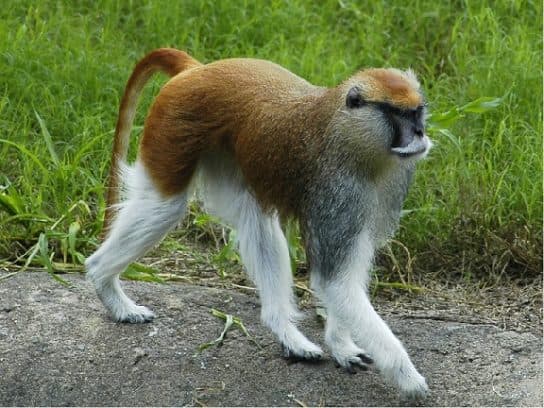

Hussars are monkeys with white noses and powerful, sharp fangs. Animals have a long-legged body and an elongated muzzle.
Green monkey


Green monkey – differ in marsh-colored hair on the tail, back and crown. Also, monkeys have cheek pouches, like hamsters, in which food supplies are stored.
Javanese macaque

Javanese macaque is another name for “crabeater”. Monkeys have beautiful brown eyes and a greenish coat that shines with grass.
Japanese macaque
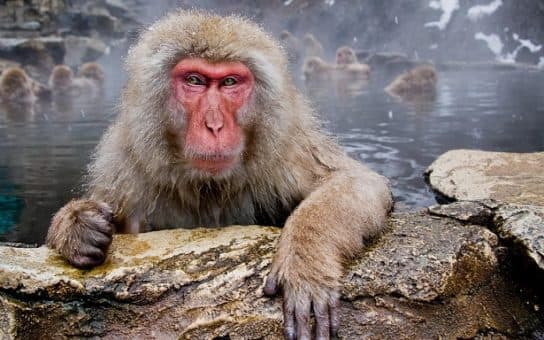

Japanese macaques – animals have a thick coat, which gives the impression of a large individual. In fact, monkeys are medium in size and, due to their long hair, seem larger than they really are.
The group of gibbon mammals is distinguished by palms, feet, face and ears, on which there is no hair, as well as elongated limbs.
Representatives of gibbons are:
Silver gibbon


The silver gibbon is a small gray-silver animal with a bare muzzle, arms and black feet.
Yellow-cheeked crested gibbon
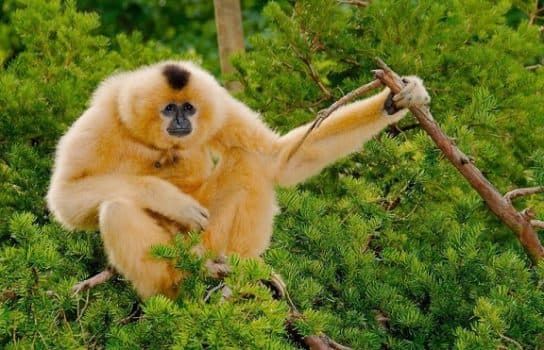

Yellow-cheeked crested gibbon – a distinctive feature of animals is yellow cheeks, and at birth all individuals are light, and in the process of growing up they become black.
Eastern hulok
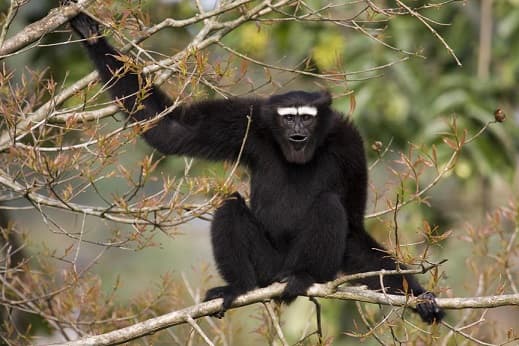

Eastern hulok – the second name is “singing monkey”. Animals are distinguished by white wool located above the eyes of mammals. It seems that primates have gray eyebrows.
Siamang


Siamang siamang – of this group, siamang is considered the largest monkey. The presence of a throat sac on the neck of the animal distinguishes it from other representatives of gibbons.
Dwarf gibbon


Dwarf gibbon – animals have long front limbs that drag along the ground when moving, so monkeys often walk with their hands thrown over their heads.
It should be noted that all gibbons do not have a tail.
Orangutans, gorillas and chimpanzees
Orangutans (or orangutans) are massive large monkeys with hooked fingers and fatty growths on their cheeks. Representatives of this group are:
Sumatran orangutan

Sumatran orangutan – animals have a fiery coat color.
Bornei orangutan

Bornean Orangutan – Primates can grow up to 140 cm and weigh about 180 kg. Monkeys have short legs, large bodies and arms hanging below the knees.
Kalimantan orangutan

Kalimantan orangutan – is distinguished by brown-red wool and a concave skull in the face. Monkeys have large teeth and a powerful lower jaw.
The representatives of the gorilla group include the following types of monkeys:

- Coastal gorilla – the maximum weight of the animal is 170 kg, height – 170 cm. If the females are completely black, then the males have a silvery stripe on their back.
- Plain gorilla – has brown-gray fur, habitat – mango thickets.
- Mountain gorilla – animals are listed in the Red Book. They have thick and long hair, the skull is narrower, and the forelimbs are shorter than the hind ones.
Chimpanzees rarely grow more than 150 cm and weigh more than 50 kg. The types of monkeys in this group include:
Bonobo


Bonobos – animals are recognized as the smartest monkeys in the world. Primates have black fur, dark skin, and pink lips.
Common chimpanzee


Common chimpanzees – owners of brown-black fur with white stripes around the mouth. Monkeys of this species move only on their feet.
Monkeys also include the black howler, the crowned (blue) monkey, the pale saki, the frilled baboon, and the kahau.


