


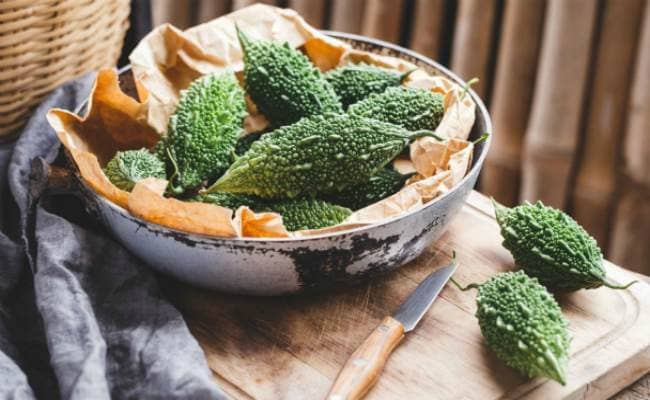


Momordica or bitter melon is an ancient plant that is extremely beneficial to health. They are eaten in many Asian countries. In addition to its nutritional qualities, it has medicinal properties. Today, it attracts the attention of scientists as an alternative to insulin, since it contains biologically active substances with a hypoglycemic effect.
What it looks like and where it grows
Bitter melon or pumpkin is grown as a vegetable and ornamental plant. Depending on the variety, it is oval oblong with a pointed end or oval in shape. With pronounced ribs. Covered with tubercles.
Unripe fruits from light green to dark green. The inner flesh is white.
As they ripen, they become hard, acquire a yellow, light brown or pinkish-red color. The pulp is orange.
Inside the fruit are seeds covered with a dense shell. The color is like pomegranate seeds.
Grows in subtropical and tropical climates. Belongs to the pumpkin family. The scientific name is Momordica charantia. Translated from the Latin “momordica” literally translates as “bites”. Contact with a young plant is tantamount to meeting with nettles.
A beautiful fast-growing liana with carved leaves, thin stems and tendrils with which it clings to a trellis or tree trunks, a hedge. It blooms in small yellow flowers with a delicate scent that attracts insects.
Widely grown in Asia, Africa, the Caribbean for human consumption.
It is known in different parts of the world under many names: Chinese green (bitter) cucumber, Indian bitter cucumber, Indian pomegranate, bitter gourd or melon, Crimean pomegranate. They even call it a balsamic pear.
For consumption, young fruits are harvested before ripening, when they are not yet so bitter.
How is bitter gourd useful?
While the bitter taste may not be to everyone’s liking, it is one of the healthiest vegetables around. In terms of nutritional value, momordica can compete with such recognized vegetables as spinach, broccoli and others.
It contains:
- Vitamins: A, C, group B (niacin, riboflavin, pantothenic acid, folates, thiamine, pyridoxine), beta-carotene;
- Minerals: iron, calcium, potassium, copper, phosphorus, manganese, magnesium, zinc;
- Cellulose;
- Bitterness;
- Carbohydrates;
- Proteins;
- Fats;
- Polypeptides;
- Alkaloids;
- Antioxidant compounds;
- Saponins.
Contains no cholesterol or saturated fat. Fresh calorie content of 100 grams is only 17 kilocalories.
Beneficial features
The phytonutrient polypeptide-P or P-insulin is an insulin-like compound that lowers blood sugar. It also contains a hypoglycemic compound called guarantine. This substance promotes the absorption of glucose, helps to synthesize glycogen in liver cells, muscles and adipose tissue.
According to research by American scientists, bitter melon may be beneficial for patients with type 1 diabetes.
Scientists believe that together these two compounds are responsible for lowering blood sugar in the treatment of type 2 diabetes.
The fruits have twice the amount of potassium than the recognized record holders – bananas.
As a source of folate (folic acid), it reduces the incidence of neural tube defects in the fetus. 100 grams contains about 72 mcg, which is 18 percent of the RDA.
Chinese bitter cucumber is an excellent source of ascorbic acid (vitamin C). 100 grams provides 84 mg, or as much as 140 percent of the DV. As a powerful antioxidant, it protects the body from oxidative stress from free radicals.
Bitter gourd contains several flavonoid compounds:
- β-carotene;
- α-carotene;
- Lutein;
- Zea-xanthine.
It also contains a large amount of vitamin A. Together, these compounds protect the body from the action of reactive oxygen species, which accelerate aging, damage DNA cells.
Thanks to fiber, it stimulates intestinal peristalsis, prevents constipation.
B complex vitamins play an important role in metabolic processes. Participate in maintaining the normal functioning of the nervous system, brain.
As a cholesterol-free product, it helps to reduce cholesterol in the body.
Benefits for the body
The main benefit one can get from Indian cucumber is blood sugar regulation. Momordica helps:
- Reduce harmful cholesterol levels;
- Cleanse the liver of toxins;
- Accelerate wound healing;
- Reduce the risk of stroke, heart attack;
- Improve the functioning of the digestive tract;
- Boost immunity;
- Lose weight.
Research shows anti-cancer activity.
Medicinal properties
Bitter melon has:
- Antiallergic;
- Anti-inflammatory;
- Antifungal;
- Antiviral;
- Antiparasitic;
- Expectorant;
- Anti-cancer;
- Antimicrobial
properties.
In addition to diabetic patients, it is recommended for:
- Cough;
- The bronchi;
- Hemorrhoids;
- Constipation;
- Rheumatism;
- Swelling;
- Asthma;
- Eczema;
- Psoriasis;
- Colds;
- Diseases of the heart and blood vessels.
Bitter melon fruits in Turkey are used to treat peptic ulcer disease. As an analgesic, it has an analgesic effect.
It contains a protein that affects blood clotting.
Momordica juice treats liver damage caused by alcohol. Regulates the work of the bladder. They drink the juice hot. The first results can be seen in a week.
How to choose and store
As an agricultural crop, we do not grow it. Therefore, you cannot buy momordica on free sale. Some amateurs grow it, even in their apartment. But on the markets in Asian countries, bitter cucumber is available at any time of the year.
More often they sell:
- Chinese variety – long fruits with light green skin;
- Indian variety – shorter, dark green.
When buying, choose fresh, firm young immature fruits with rich color. These are less bitter. There should be no damage, signs of damage or rot on the surface.
Store in a bag in the refrigerator and keep it fresh for about a week.
How to eat
For cooking, they use not only the fruits, but also the leaves of the plant. The peel is not peeled. The seeds are more bitter than the pulp. They are cleaned out. Although in the local cuisine, where the vegetable grows, it is used for food.
Rinse the purchased vegetable thoroughly in cold water. Chop as required by the recipe.
The bitter taste can be reduced by soaking in salt water. There are several local traditional methods for reducing bitterness, such as:
- Boil in salt water for 5-10 minutes;
- Marinate in yoghurt for about 30 minutes.
In Indian cuisine, bitter cucumber is stuffed with garam masala, tomatoes, onions, green chili peppers, garlic leaves, and curry.
On the island of Okinawa, they make a roast by adding tofu cheese, onions, eggs, pork.
In some regions of East Asia, iced or milk tea is prepared from dried and ground fruits.
Contraindications and harm
Bitter gourd may contain alkaloid substances such as quinine and morodicine, resins and saponing glycosides. For some people, they can be the cause of intolerance. The negative effect can be reduced by steaming or soaking in salt for 10 minutes.
Poisoning symptoms are manifested:
- Increased salivation;
- Redness of the face;
- Visual impairment;
- Stomach pain;
- Nausea;
- Vomiting;
- Diarrhea;
- Headache;
- Fever;
- Weak muscles.
These compounds, which are more in the seeds, are harmful to pregnant women. Can lead to termination of pregnancy, severe bleeding.
Avoid consumption before and after surgery, as it drastically lowers blood sugar.
You should avoid eating bitter melon for people with diabetes who are taking medications to lower their sugar.
Contraindicated:
- Breastfeeding women;
- With a tendency to hypoglycemia;
- During an exacerbation of chronic diseases of the digestive tract;
- Small children.
Application in traditional medicine
Momordica is not so well known to our healers. In countries where this vegetable crop grows, it is used to treat many diseases. They are used in the form of decoctions, medicinal tea, poultices, alcoholic tinctures.
For medicinal purposes, the fruit itself is used along with seeds, leaves, roots.
Tincture
Remove all seeds from the fruit. Cut into small cubes. Fold into a prepared container, filling it up to the neck. Pour in vodka.
Put in a dark place for two weeks. Shake daily for better maceration.
Strain the finished tincture through 2-3 layers of gauze. Store in a cool place in a dark glass bottle.
Consume one teaspoon half an hour before meals three times a day. They are used for colds, exacerbation of rheumatism, to strengthen the immune system.
Momordica seed decoction
The broth is drunk as a diuretic for edema. Helps lower fever.
For cooking, large seeds of fully ripe fruits are harvested.
Grind in a blender or crush with a crush.
Bring 300 ml of water to a boil and add 1 tablespoon of seeds. Boil at low boil for 10 minutes. Strain after an hour.
Take a tablespoon 3 to 4 times during the day.
Useful properties in cosmetology
Bitter Indian Cucumber is a good cosmetic product. No wonder he is a close relative of well-known cucumbers. Means prepared on its basis are used in skin and hair care. It contains several nutrients that are beneficial for the skin and hair: vitamins B, C, A, zinc.
Vitamins C and A are powerful antioxidants that prevent premature skin aging. Nourish, reduce the likelihood of fine wrinkles.
Hair shine mask
Mix a glass of fresh juice with yogurt and apply to hair. Leave it on for a few minutes. Wash off with warm water.
Anti-dandruff mask
Dandruff is a common problem. To get rid of it, mix a glass of bitter cucumber juice with chopped cumin seeds. Regular use of the mask will bring results in a month.
Hair loss
Mix Momordica juice with a pinch of sugar and rub into the hair roots. Hold for a few minutes and rinse your hair.
Fresh Juice:
- Apply to the ends of the hair to reduce breakage;
- Rub into the roots for dry itchy scalp.
What is the momordica plant and how it grows, see the video

How bitter cucumber is grown in India and what is made from it in this short video


