


- 1 What Is Plastic Insert Molding?
- 2 Advantages of Plastic Insert Molding Services
- 3 Common Materials Used in Plastic Insert Molding
- 4 The Plastic Insert Molding Process
- 5 Applications of Plastic Insert Molding
- 6 Key Considerations When Choosing a Plastic Insert Molding Service
- 7 Advantages of Partnering with a Professional Service
- 8 Trends in Plastic Insert Molding
- 9 Conclusion
In today’s competitive manufacturing landscape, efficiency, durability, and precision are critical. Plastic insert molding service has become a key solution for producing strong, reliable, and functional parts that combine plastic and metal components in a single process.
From automotive and electronics to medical devices and consumer goods, insert molding offers a cost-effective, high-quality solution for creating complex assemblies with enhanced performance.
This article explores the benefits, process, materials, applications, and considerations of plastic insert molding services, helping businesses understand why it is an essential tool in modern manufacturing.
What Is Plastic Insert Molding?
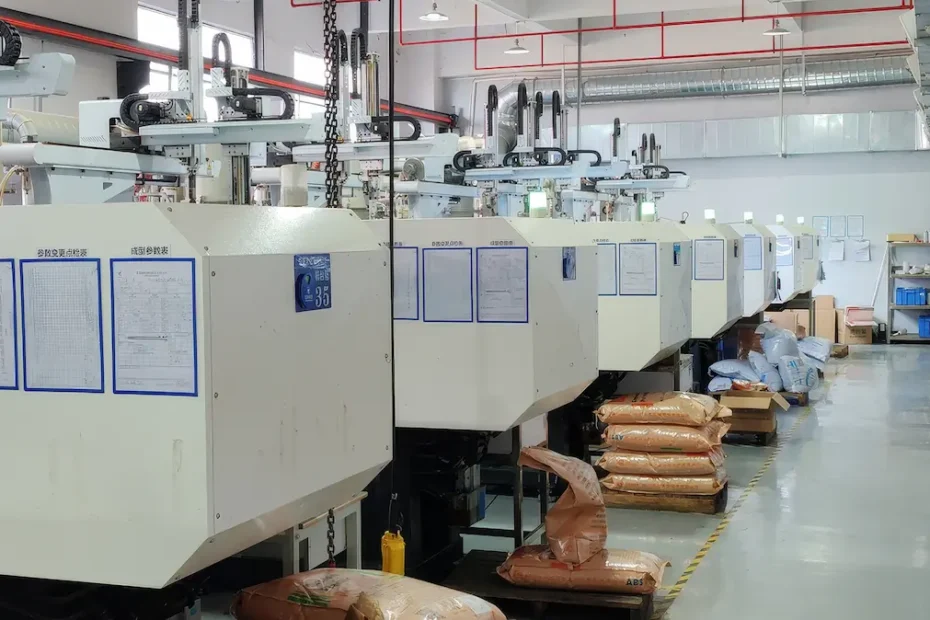
Plastic insert molding, also known as insert injection molding, is a process in which pre-fabricated inserts, usually metal components, are placed into a mold and overmolded with plastic. This results in a single, unified part that combines the strength and functionality of both materials.
Insert molding eliminates the need for secondary assembly operations such as welding, fastening, or adhesive bonding. The process is ideal for strengthening components, improving wear resistance, and enhancing mechanical performance.

Advantages of Plastic Insert Molding Services
1. Enhanced Strength and Durability
Metal inserts embedded in plastic provide reinforced attachment points, threaded connections, and structural support, making the part more durable under mechanical stress.
2. Cost-Effective Production
By combining multiple components into a single part, insert molding reduces assembly time, labor costs, and inventory management, offering a more economical manufacturing solution.
3. Design Flexibility
Insert molding allows engineers to integrate complex features such as threaded fasteners, bushings, or metal pins directly into plastic components, which would otherwise require secondary machining or assembly.
4. Improved Product Reliability
Parts produced with insert molding are less prone to misalignment, loosening, or component failure, ensuring high performance in demanding applications.
5. Versatile Applications
Insert molding is compatible with a wide range of plastics and metals, making it suitable for diverse industries, including automotive, electronics, medical, and consumer products.
Common Materials Used in Plastic Insert Molding
Selecting the right materials is essential for functionality, durability, and compatibility:
Plastics:
- Acrylonitrile Butadiene Styrene (ABS): Durable, impact-resistant, ideal for electronic housings and consumer products.
- Polycarbonate (PC): Transparent and strong, suitable for protective covers and precision parts.
- Polypropylene (PP): Flexible and chemical-resistant, used in automotive and household applications.
- Nylon (PA): High-performance engineering plastic for mechanical and industrial components.
- Polyphenylene Sulfide (PPS): Heat-resistant and chemically stable for industrial and automotive applications.
Metal Inserts:
- Brass and Bronze: Common for threaded inserts and bushings.
- Stainless Steel: Corrosion-resistant, ideal for high-strength applications.
- Aluminum: Lightweight and conductive, used in electronics and industrial components.
- Copper: Often used for electrical contacts.
Choosing compatible plastic and metal combinations ensures strong adhesion, thermal stability, and mechanical reliability.
The Plastic Insert Molding Process
Plastic insert molding involves precise steps to ensure quality, durability, and functionality:
1. Design & CAD Modeling
Engineers create a 3D CAD model including both the plastic geometry and the insert placement. Proper alignment, tolerances, and draft angles are critical for successful molding.
2. Insert Preparation
Metal inserts are cleaned, treated, or coated to improve adhesion and prevent movement during injection. Inserts may be threaded, knurled, or grooved depending on the application.
3. Mold Setup
Inserts are manually or robotically positioned in the mold cavity. Proper placement ensures accurate alignment and part consistency.
4. Plastic Injection
Plastic is melted and injected into the mold under high pressure, completely surrounding the insert. The molten plastic flows into intricate mold features, encapsulating the metal for a strong bond.
5. Cooling & Ejection
After solidification, the mold opens and the part is ejected. Cooling times vary depending on plastic type, part thickness, and mold design.
6. Post-Processing & Quality Control
Parts may undergo trimming, surface finishing, or assembly, followed by inspection for dimensional accuracy, insert placement, and mechanical performance.
Applications of Plastic Insert Molding
Plastic insert molding is widely used in industries where strength, precision, and reliability are required:
1. Automotive
- Threaded inserts for dashboards and interior panels
- Engine components with embedded bushings or fasteners
- Structural parts requiring high mechanical strength
2. Electronics
- Circuit board housings with metal standoffs
- Electrical connectors and heat sinks
- Consumer electronics enclosures with threaded inserts
3. Medical Devices
- Surgical tools with reinforced attachment points
- Device housings for secure assembly
- Components requiring precision and sterilization
4. Industrial Machinery
- Bushings, bearings, and gears embedded in plastic housings
- Structural parts for machines with integrated fasteners
5. Consumer Goods
- Appliances, kitchenware, and power tools with metal reinforcement
- Toys or devices with durable connection points
Key Considerations When Choosing a Plastic Insert Molding Service
Selecting the right provider ensures precision, reliability, and cost efficiency:
- Material Expertise: Knowledge of plastic-metal compatibility for strong adhesion and thermal stability.
- Mold Quality: Precision molds ensure consistent part dimensions and accurate insert placement.
- Design Support: Assistance with part optimization, insert placement, and structural reinforcement.
- Production Capacity: Ability to handle low, medium, or high-volume runs efficiently.
- Quality Control: Inspection protocols to ensure inserts are correctly positioned and mechanically sound.
- Post-Processing Options: Trimming, surface finishing, or additional assembly services.
A professional insert molding service also offers technical consultation, rapid prototyping, and scalable production as your project grows.
Advantages of Partnering with a Professional Service
Working with an experienced plastic insert molding provider offers:
- Integrated, durable components that reduce assembly complexity
- Cost savings by eliminating secondary operations
- High-quality, consistent parts suitable for functional or end-use applications
- Design flexibility for complex geometries and multi-material parts
- Scalable production from prototypes to full-volume manufacturing
This combination of efficiency, strength, and precision makes insert molding a preferred solution for modern manufacturing challenges.
Trends in Plastic Insert Molding
- Hybrid Molding: Combining multiple plastics and metals for multi-functional parts
- Automation: Robotic insert placement for higher precision and repeatability
- Sustainable Materials: Using recycled plastics and eco-friendly metals
- Micro Insert Molding: High-precision parts for electronics and medical applications
- Overmolding Integration: Embedding elastomers or soft plastics with hard plastic and metal inserts
These trends reflect the growing demand for complex, reliable, and environmentally conscious components.
Conclusion
Plastic insert molding service is a highly efficient, precise, and cost-effective solution for producing durable, functional components that combine plastic and metal in a single process. By integrating inserts directly into plastic parts, manufacturers can:
- Enhance mechanical strength and durability
- Reduce assembly time and labor costs
- Improve product reliability and performance
- Enable complex designs and multi-material components
- Scale production efficiently from prototypes to high-volume runs
For industries including automotive, electronics, medical devices, industrial machinery, and consumer goods, plastic insert molding provides a robust, reliable, and versatile manufacturing solution. Partnering with a professional service provider ensures that products are high-quality, structurally sound, and ready for market deployment.
