Skip to content
Home » Nature

Nature

Milk Thistle: Uses, Benefits, Limits and Safety

Milk Thistle: Uses, Benefits, Limits and Safety

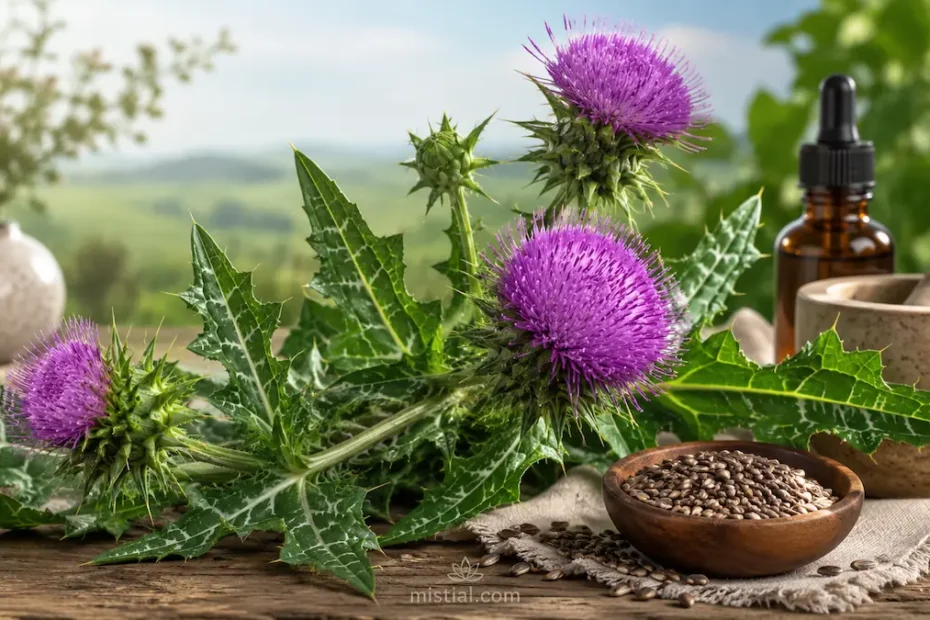
Milk thistle is one of the most recognized herbs connected with liver support. It appears in capsules, teas, powders, tinctures and “detox” formulas, often with bold promises around cleansing, protection and recovery. The plant has a long history of traditional use, but the modern conversation around it is often too simplified: milk thistle is not a magic shield for the liver, and it is not a substitute for medical care when something is wrong.Read More »Milk Thistle: Uses, Benefits, Limits and Safety

Calendula: Uses, Benefits, Limits and Safety

Calendula: Uses, Benefits, Limits and Safety

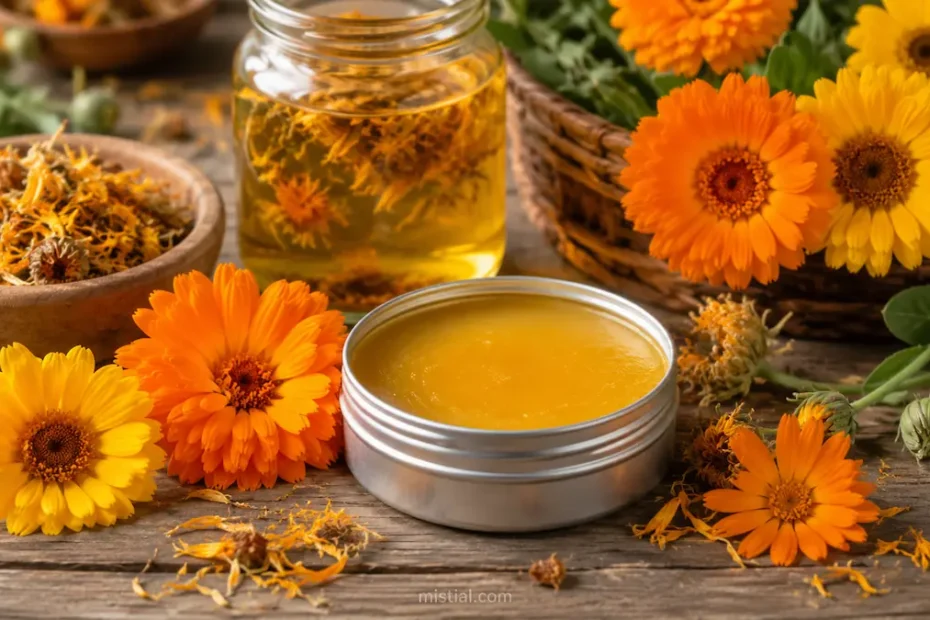
Calendula is one of those medicinal plants that looks simple at first glance: bright orange flowers, a gentle reputation, and a long history in home remedies and skin care. It is often used in salves, creams, infused oils, teas, rinses and cosmetic formulas. Because it is familiar and widely available, many people assume it is always mild, safe and suitable for any skin problem. That assumption is not quite right.Read More »Calendula: Uses, Benefits, Limits and Safety

St. John’s Wort: Uses, Benefits, Risks and Safety

St. John’s Wort: Uses, Benefits, Risks and Safety

St. John’s wort is one of the best-known medicinal herbs, but it is also one of the easiest to misunderstand. Many people associate it with mood support, calmness and “natural” emotional balance. That reputation makes the plant attractive, especially to people who want a gentle alternative to conventional medicines. The problem is that St. John’s wort is not a harmless herbal tea in every situation. It can strongly interact with many medicines and may create real risks when used casually.Read More »St. John’s Wort: Uses, Benefits, Risks and Safety

Medicinal Valerian: Uses, Benefits, Limits and Safety

Medicinal Valerian: Uses, Benefits, Limits and Safety

Valerian has a long reputation as a calming herb, especially in connection with sleep. Many people know it as valerian root tea, capsules, drops or herbal blends for relaxation. That familiar image can be helpful, but it can also create confusion. Valerian is not a sleeping pill, not a guaranteed cure for insomnia and not automatically safe for every person simply because it comes from a plant.Read More »Medicinal Valerian: Uses, Benefits, Limits and Safety

Medicinal Peppermint: Uses, Benefits, Limits and Safety

Medicinal Peppermint: Uses, Benefits, Limits and Safety

Peppermint is one of those herbs that feels familiar before a person even thinks of it as medicinal. It is in tea, toothpaste, sweets, balms, oils, cosmetics and digestive products. Its cooling aroma is easy to recognize, and this familiarity often creates the impression that peppermint is simple and harmless. In reality, peppermint can be useful in some everyday situations, but it also has limits and safety issues that are easy to underestimate.Read More »Medicinal Peppermint: Uses, Benefits, Limits and Safety

Medicinal Chamomile: Uses, Benefits, Limits and Safety

Medicinal Chamomile: Uses, Benefits, Limits and Safety

Medicinal chamomile has a reputation for being gentle. Many people associate it with evening tea, a calmer stomach, skin soothing, or a mild bedtime ritual. That familiar image is partly deserved, but it can also make chamomile seem simpler than it really is. Like any medicinal plant, it has useful properties, limits, possible side effects, and situations where caution matters.Read More »Medicinal Chamomile: Uses, Benefits, Limits and Safety

Coral Reef Restoration: How It Works, What Helps, and What Still Limits Recovery

Coral Reef Restoration: How It Works, What Helps, and What Still Limits Recovery

Coral reef restoration sounds simple from a distance: grow corals, place them back on damaged reefs, and let nature rebuild itself. In reality, it is more complicated. A reef is not a decorative underwater garden. It is a living system shaped by water temperature, currents, fish, algae, storms, disease, pollution, coastal development, and the slow growth of coral colonies over years or decades.Read More »Coral Reef Restoration: How It Works, What Helps, and What Still Limits Recovery