Asteraceae are one of the largest and most common dicotyledonous families. Their number includes more than 30 thousand species, which are united in two thousand genera, which have spread in almost all climatic zones.
Description
The bulk of plants from the Aster family are herbaceous perennials, less often annuals. Sometimes shrubs and even trees can be found. So, scalesia reaches a height of up to 20 meters, and brachylena grows up to 40 meters.
List of Compositae plants
Ageratum
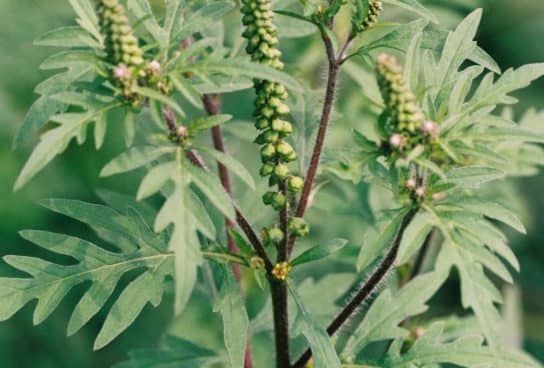
Ambrosia

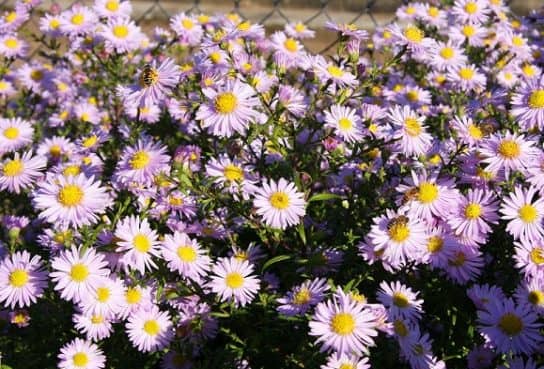
Astra

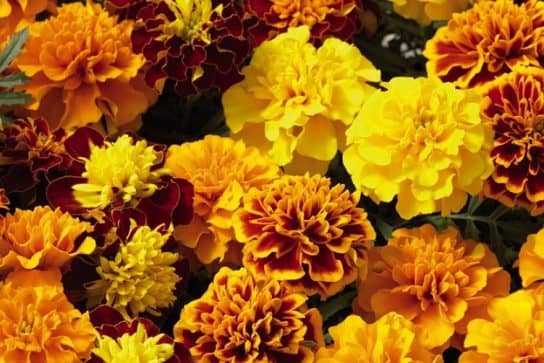
Marigold
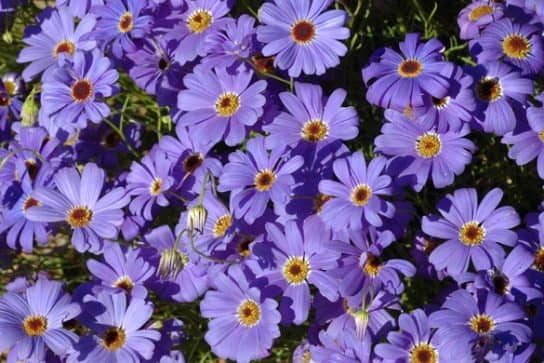
Brachycoma
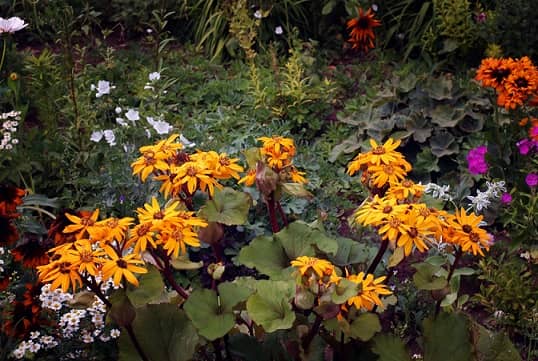
Garden Buzulnik

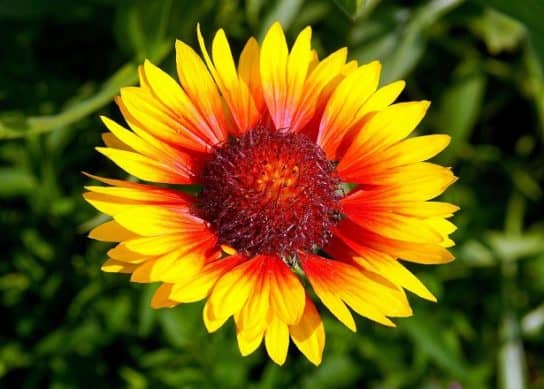
Gaillardy

Gatsania


Gelenium
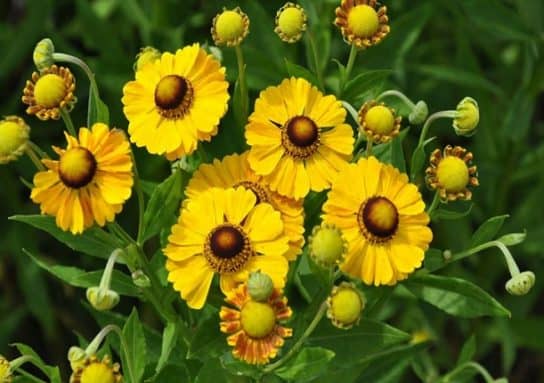

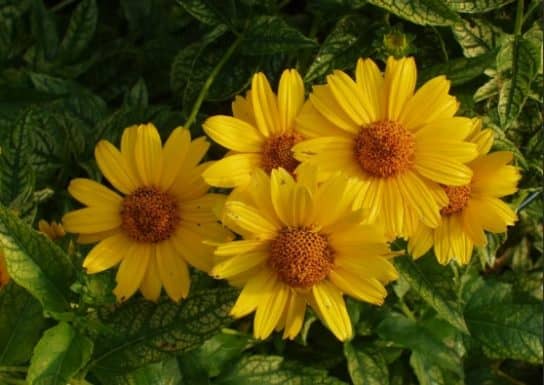
Heliopsis

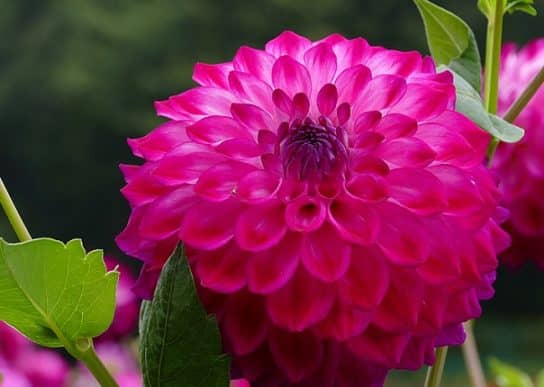
Georgina

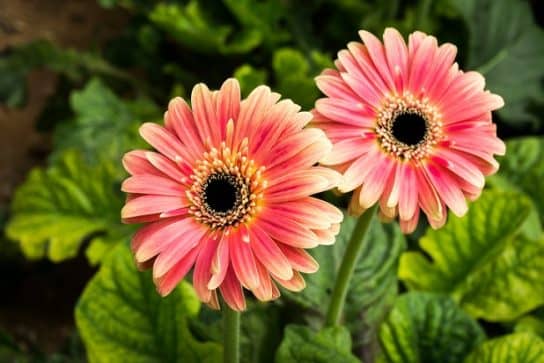
Gerbera
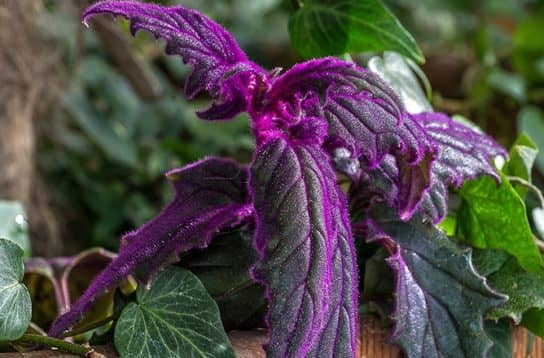
Ginura

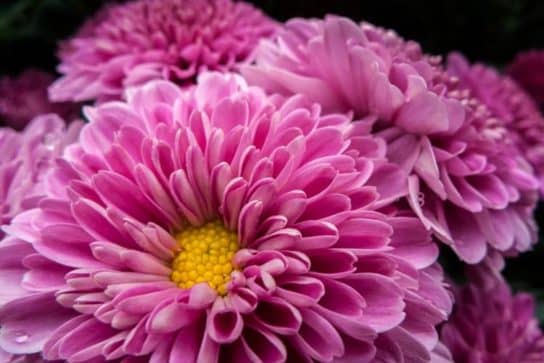
Chrysanthemum
Doronicum
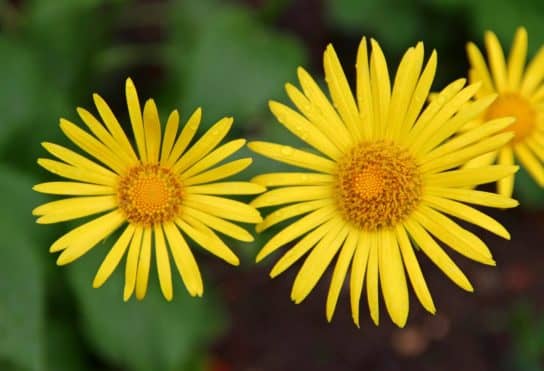

Durnishnik
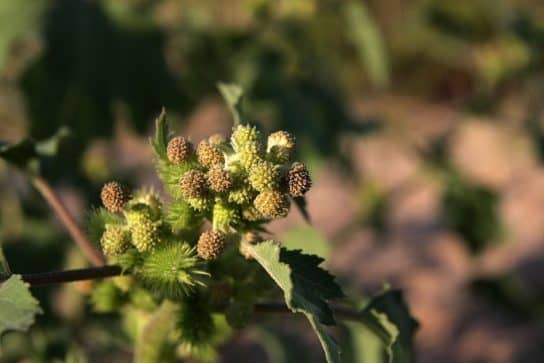
Goldenrod canadensis
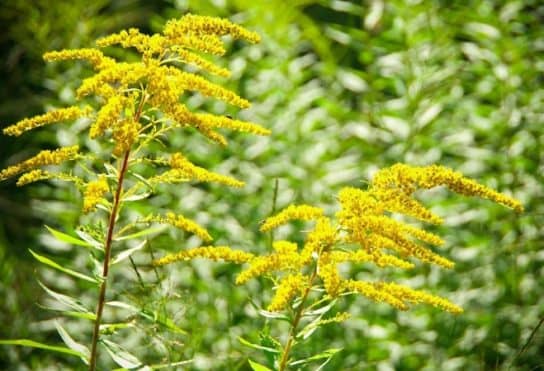
Common goldenrod

Calendula
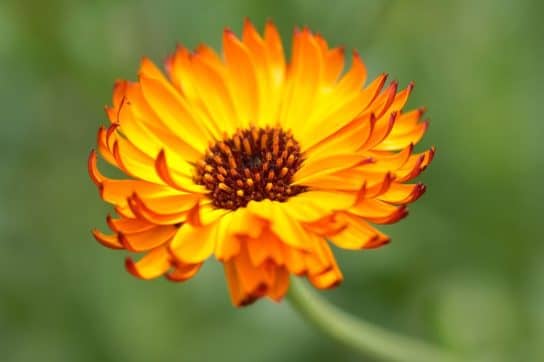

Coreopsis
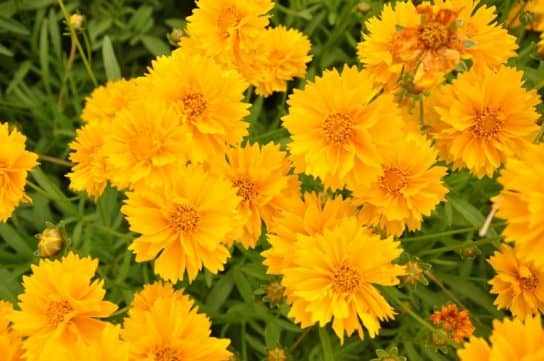

Cosmea
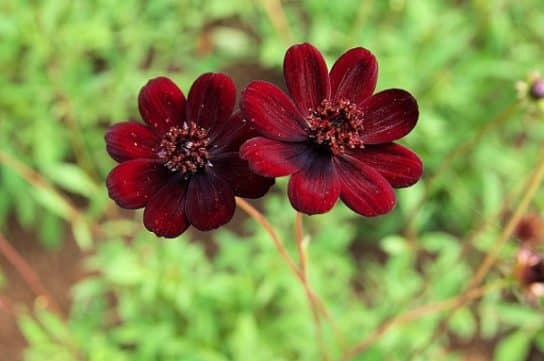
Liatris
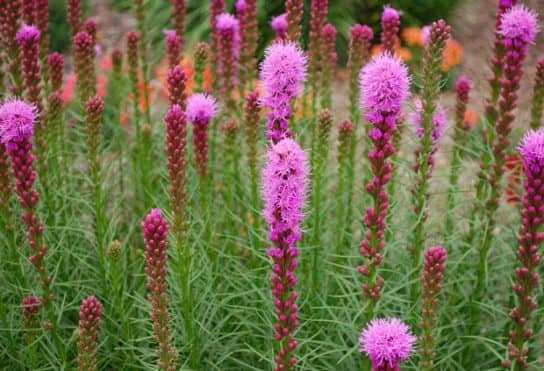
Daisy
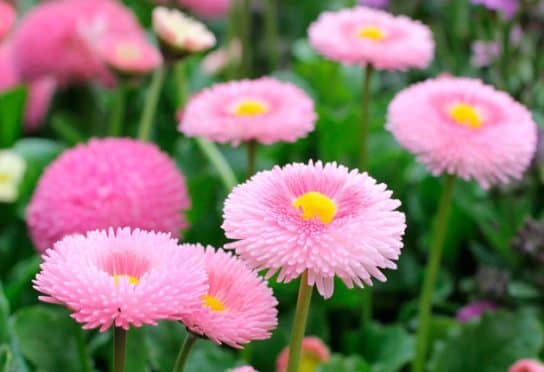

Chamomile (Matricaria)
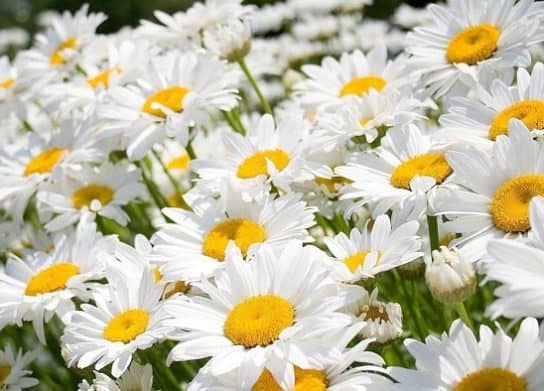

Osteosperm
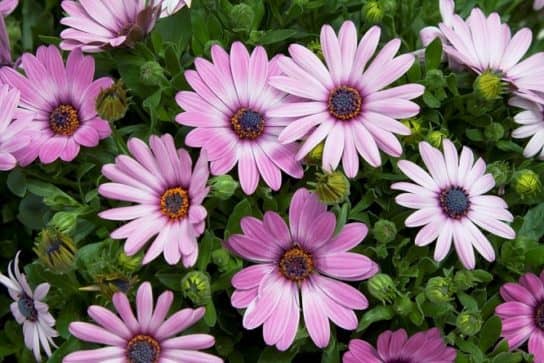
Common tansy
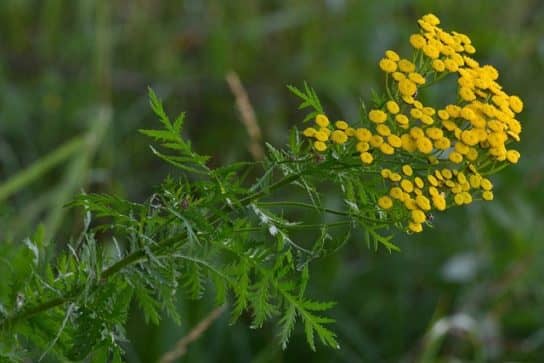
Sunflower
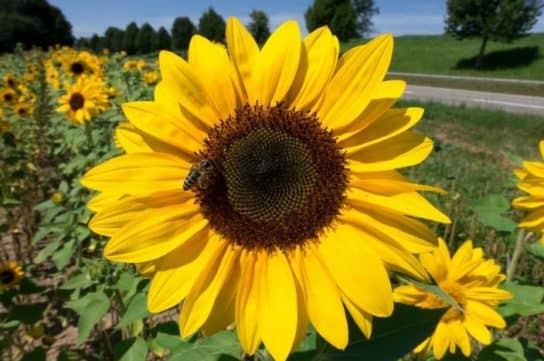
Boneset
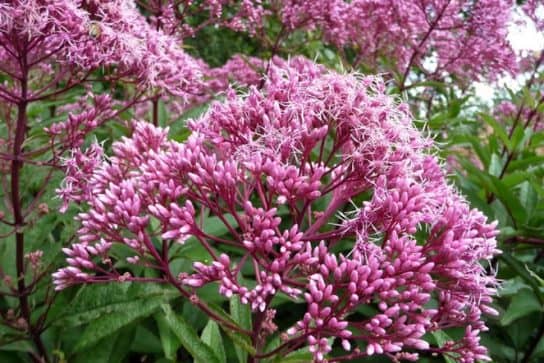
Ratibida

Rudbeckia

Sanvitalia


Santolina
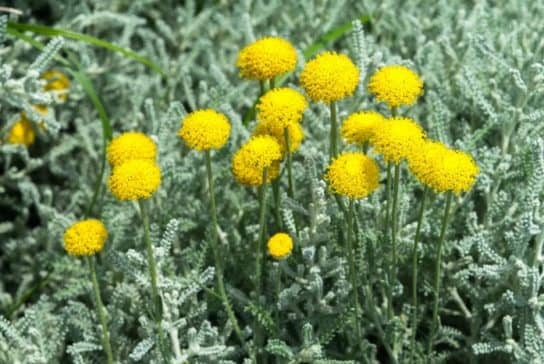

Stevia
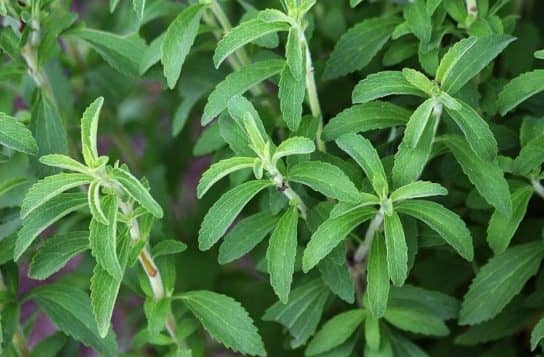

Yarrow
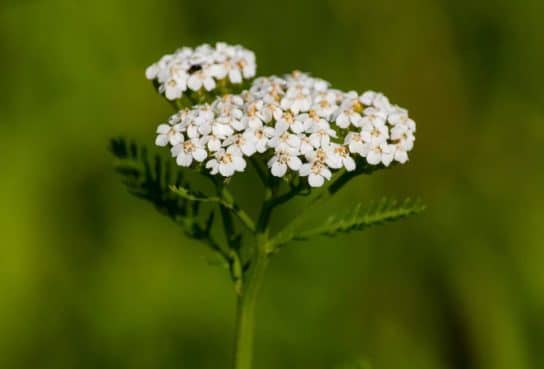
Cineraria
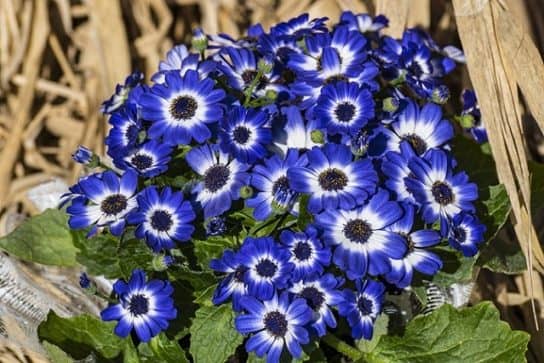
Zinnia
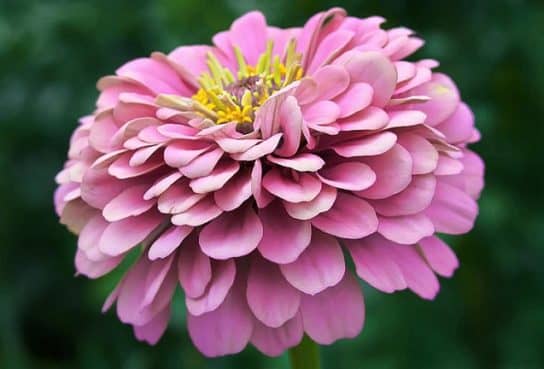
Erigiron
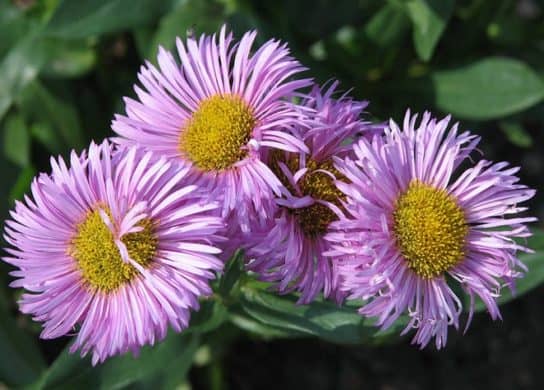

Echinacea
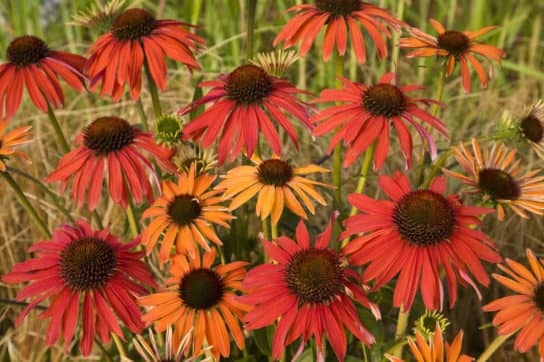
Signs of aster plants
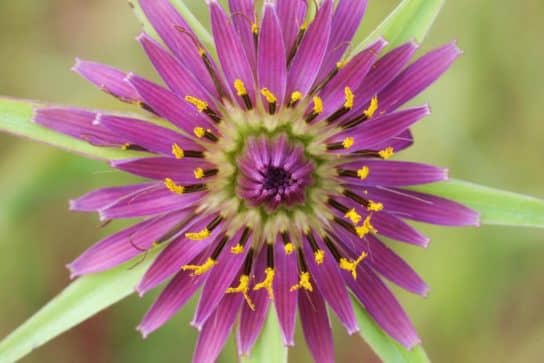
The main characteristic feature of the Compositae family is the presence of a peculiar inflorescence in the form of a basket. As a rule, it contains many small flowers that are placed on a common bed. Such an inflorescence is surrounded by a wrapper of green leaves. And in general, it looks like a single flower with many petals: vivid examples are sunflower, dandelion, chamomile.
Compositae plant formula
Aster inflorescences are not large in size – usually they are only a few centimeters in diameter. Of course, there are exceptions – some species have inflorescences up to 15 cm, and the same sunflower can reach 60 cm.
The general formula of the inflorescence flower is very simple: CHL (5) T (5) P1. We are talking about cups (4 pieces), petals (5), stamens (5) and pistil – 1.
Inflorescence of Compositae plants
The main feature of aster plants is complex flower inflorescences. Those. in fact, such flowers are not flowers at all, but a basket of small flowers. They have a common bed – the end of a peduncle with a concave surface and a common wrapper and a joint calyx. The calyx is made up of rows of stipules, which form the basket. The flowers themselves are usually small, up to a couple of mm. The corolla of the inflorescence is with a petal, and in many plants of the family it differs in shape.
There are usually several types of them:
- tubular, or correct;
- reed, or wrong.
In some plants, the heads are only tubular flowers (cornflowers), in others, only reed flowers (dandelion), and still others combine both types (sunflower).
Asteraceae fruits
The fruits of aster plants are formed in the form of achenes – this is a one-seeded nut, which differs in one nest and does not crack with a characteristic leathery or even woody shell.
In this case, the base of the rim is surrounded by peculiar bristles, which fold into a tuft, which forms a kind of parachute. It is they who allow the seedlings to fly in the wind.
In other species, for the same purpose, at the end of the fruit, there are several spines with backward-curved teeth (a series). It is these spines that the achene uses to attach to wool or clothing in order to spread over considerable distances. And only a limited number of plants in the family are not equipped with special devices with which the fruits are distributed.
Pollination of Compositae plants
The pollination system of Asteraceae plants is not complicated: as a rule, insects cope with this. Everything is simple here: anthers tend to crack in longitudinal stripes, thanks to which the anther tube opens. At this stage, the column is still hidden in the rim – and reaches only the base of the anther. A little later, it begins to lengthen at a rapid pace – and then its upper end, or special hairs, work as a kind of ramrod, cleaning the inner surface of the tube. This process facilitates the release of pollen to the outside.
Thanks to this process, pollen sticks to insects and their legs, which would be transferred to other flowers.
Some types of aster (cornflower, thistle) are also distinguished by increased irritability of staminate filaments, which greatly facilitates the process of pollen spread. So, insects, penetrating to the nectar that collects at the base of the tube, irritate the stamen filaments with their proboscis, they contract, and this allows the anther tube to move towards the end of the column. And so the pollen is carried out.
The system is complex and at the same time simple – only a few Aster species are pollinated by the wind.
Dicotyledonous aster plants – video