


Chinese cabbage pak choi (or bok choy) is not yet so well known in our country. This cabbage is an excellent source of vitamins, minerals and other compounds. It is ranked among the top 3 vegetables for nutrient content. Compared to other foods, it has the highest level of nutrients per calorie. It can be a great addition to any dish, added to stews and salads.
What does pak choy cabbage look like? Description
Bok choi is a type of Chinese cabbage that does not form a head of cabbage and has smooth, dark green leaves growing from a rosette. Belongs to the cruciferous family.
Known by various names such as Chinese white cabbage, Asian cabbage, pai chok, Chinese mustard and others.
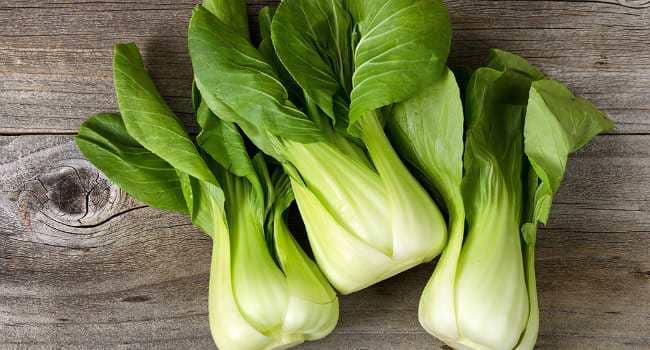
It looks more like a green salad, since it does not form the head of cabbage we are used to. Spoon-shaped green cabbage leaves with slightly flattened white stems are collected in a rosette and have a pleasant sweet aroma and crunchy texture.
There are varieties bred by breeders with leaves of a different color, including purple.
Prefers sunny, well-drained fertile soils. Does not tolerate drought, but tolerates light frosts well. With insufficient watering, its leaves become bitter and unsuitable for food. It happens to be ready for harvest within 50-60 days after planting the seeds.
She is well known in Southeast Asia and South China. In recent years, it has been widely grown in Europe and North America.
This cabbage was first cultivated in China and has an important place in Chinese cuisine and traditional national medicine. It was introduced to Europe at the beginning of the 19th century.
How useful cabbage is again tea
Despite its small size, it has a number of beneficial nutrients. Its leaves and stalks are 95 percent water. In addition, it contains:
Carbohydrates (up to 2%);
Protein (up to 1%);
Fat (less than 1%);
Cellulose;
Vitamins: K, A, C, folates;
Salts of minerals: calcium, magnesium, manganese, iron, potassium.
There is no cholesterol in it. Sodium, phosphorus, zinc are present in small amounts.
The calorie content per 100 grams is only 13 calories, i.e. it can be classified as dietary food useful for weight loss and obesity prevention.
It is ranked 2nd in nutrient density of the 41 healthiest plant foods.
Vitamin A, C is essential for the proper functioning of the immune system.
Ascorbic acid acts as an antioxidant that helps the body fight off free radicals.
Magnesium, potassium, iron, and calcium improve overall health.
Beneficial features
The nutrients it contains provide a number of beneficial properties.
Strengthening the skeletal system
Pak choi has a great effect on bone mineral density and structure. Minerals such as magnesium, zinc, iron and calcium prevent the possibility of osteoporosis and make bones strong and strong.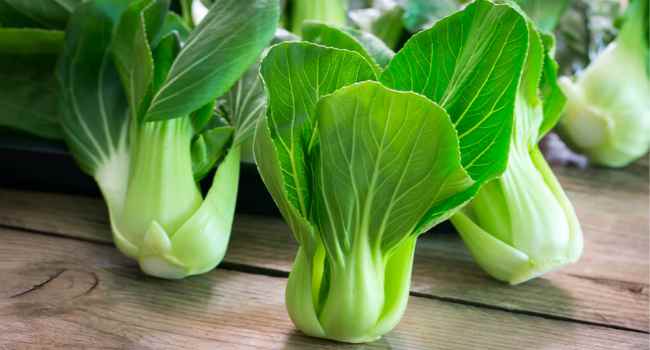
In addition, it is high in vitamin K, which is associated with a reduced risk of bone fractures in old age. Zinc, magnesium, calcium, phosphorus and iron also support bone structure.
Zinc and iron play vital roles in collagen production.
Supports hematopoiesis
Iron is essential for the production of red blood cells. An adequate amount of iron improves the delivery of oxygen to all organs of the human body.
Improves blood clotting
Vitamin K is inextricably linked with blood clotting. If absent or low, the risk of bleeding increases.
Cancer prevention
It contains sulfur-based compounds that have been linked to a reduced risk of cancer. These compounds act as antioxidants and scavenge free radicals before they mutate healthy cells into cancerous ones.
Research shows that consumption of cruciferous vegetables reduces the risk of prostate, lung, breast, and colon cancer.
In the body, glucosinolates are converted to isothiocyanates, which help fight cancer.
This vegetable contains folic acid. It participates in the synthesis of DNA, prevents their mutation into cancer cells.
Vitamin A, C, and beta-carotene act as antioxidants that protect cells from free radical damage.
Fiber improves bowel function and prevents constipation, which leads to a lower risk of colon cancer.
Supports normal vision
Vitamin A is composed of various carotenoids such as alpha carotene and beta carotene. It has been linked to eye health and prevents macular degeneration and cataracts.
Supports Heart Health
Folic acid and vitamin B-6 reduce blood homocysteine levels, which are high in blood levels that increase the risk of cardiovascular disease.
100 grams of this cabbage provides 17 percent of the daily value for vitamin B-9 and 15 percent of B-6.
It also has 4 percent of the daily value of potassium, which regulates the heart rate. Calcium and magnesium, which are essential for bones, also play a role in maintaining a healthy heart.
Calcium stimulates the contraction of the heart muscles, and magnesium – their relaxation.
It also contains potassium, a mineral needed to regulate cell fluid.
Normalizes blood pressure
Potassium, magnesium, calcium, sodium – all of these substances have an effect on blood pressure, regulate heart function, and reduce the risk of strokes and heart attacks.
Strengthens the immune system
Vitamin C is a vitamin required to strengthen the immune system. It stimulates the production of white blood cells. It is an antioxidant that inhibits the oxidative effects of free radicals and prevents chronic diseases.
Essential for the production of collagen, which is essential for cell repair and healing.
Improves skin condition
Vitamin C is a vital nutrient that supports collagen production. Collagen maintains the structure of the skin, its elasticity, reduces wrinkles, and improves complexion.
Good for pregnant women
As a good source of folic acid, it is recommended to consume it during pregnancy. It is necessary to reduce the risk of developing congenital abnormalities in a child.
The benefits of bok choy
Relieves fever;
Soothes a cough;
It is used for skin rashes, eczema, allergies, acne (applied to the affected area in the form of gruel);
Reduces the development of atherosclerosis;
Supports digestion;
Relieves chronic inflammation;
Normalizes weight, preventing obesity;
Stabilizes mental health: relieves stress, anxiety, tension;
Promotes hair growth and prevents hair loss.
Since it is almost one hundred percent water, it quenches thirst well.
Contraindications and harm
Bok Choi is a healthy and wholesome vegetable packed with nutrients. But still, it is not recommended to use it in large quantities.
It contains glucosinolates, which are harmful if consumed in excess.
In its raw form, as in all cruciferous plants, it contains the enzyme myrosinase. It can impair the functioning of the thyroid gland, interfere with the absorption of iodine. When cooked, this enzyme breaks down.
You should not get carried away with dishes with this cabbage for those who are taking medications to thin the blood, since vitamin K has an effect on blood clotting.
How to eat pak choy cabbage
Since it looks more like a green salad, it does not have a stump, like in ordinary cabbage. Therefore, the whole plant is eaten. Salads, stews, soup are prepared from it. It can be a good addition to almost any meal. Here are some tips for the best way to eat it.
Chop and mix with other vegetables, seasoning with oil.
Cook soup or green cabbage soup.
Cook with other vegetables, sesame oil, and soy sauce.
Fry with garlic, ginger.
Make a ragout with pak choy, mushrooms, onions, soy sauce.
It can be boiled, steamed, fried. In Korea, kimchi is made from it.
It can be used as a filling in dumplings, pies, pies.
Leaves can replace green salad in hamburgers and sandwiches, serve salads, grilled meats, and more.
It goes well with garlic, ginger, onions, chili peppers, all types of cabbage, leafy greens.
Bok Choi is undoubtedly a healthy nutritious product. Including it in your diet, you need to take into account the general state of your health, remember about contraindications.
It is better to consume a variety of foods than to focus on the individual as the key to achieving good health. Everything is useful in moderation.

