



- 1 What “Zero Waste” Really Means (and What It Doesn’t)
- 2 Where Most Waste Comes From (and Why It’s Hard to Avoid)
- 3 Zero Waste Living Tips That Actually Work in Real Life
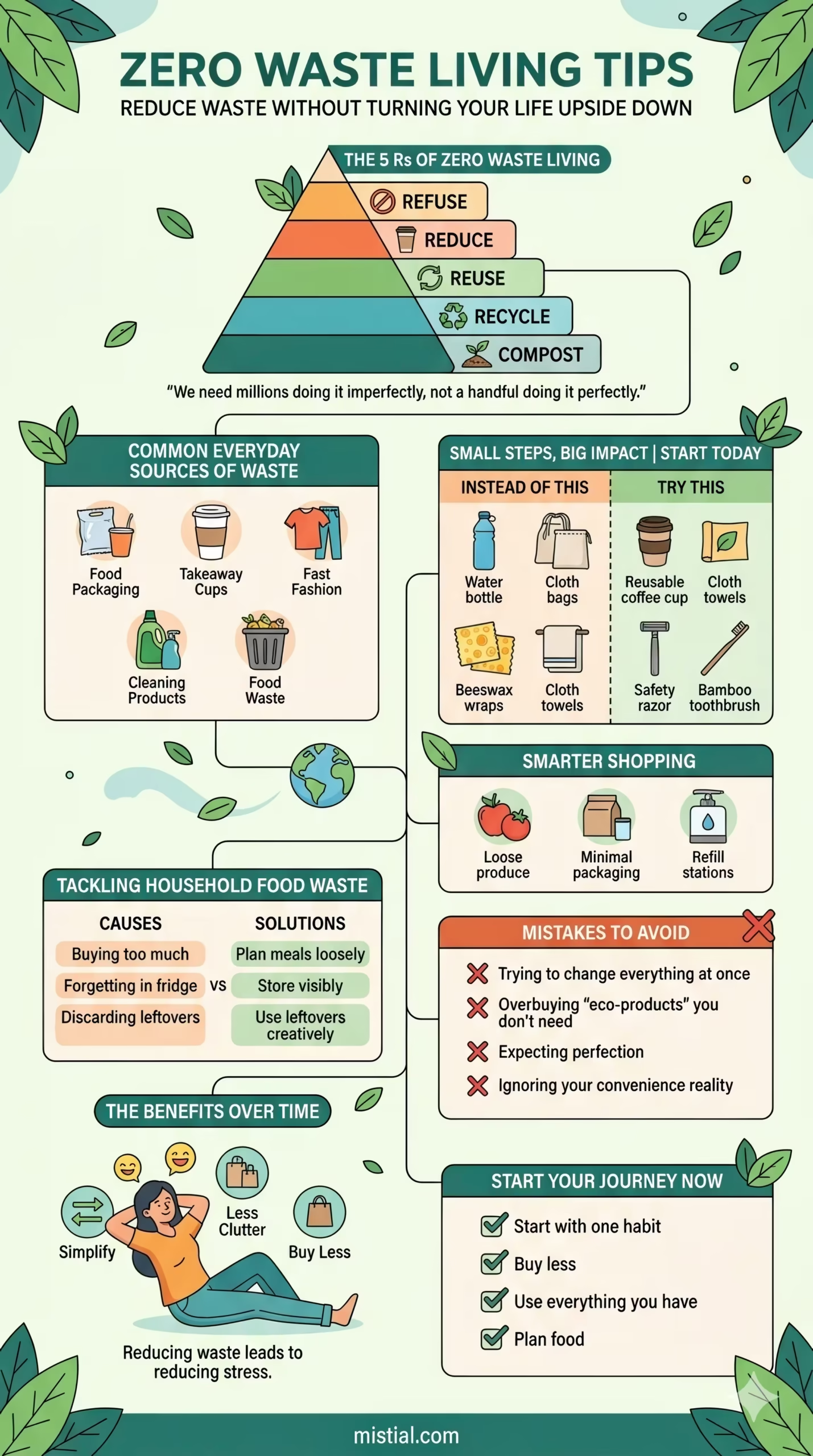
- 4 Infographic “Zero Waste Living Tips”
- 5 Typical Mistakes in Zero Waste Living
- 6 How Zero Waste Living Feels Over Time
- 7 FAQ: Zero Waste Living Tips
- 8 Short version: what to do right now
- 9 Conclusion
- 10 Sources
Ever notice how quickly trash accumulates—even when you feel like you didn’t buy much? A coffee cup here, plastic packaging there, a few food scraps… and suddenly the bin is full again. It’s not about carelessness. It’s about systems we live in.
Zero waste living isn’t about perfection or fitting everything you own into a jar. It’s about awareness. Small shifts. And building habits that reduce waste without making your life harder.
Let’s break it down in a practical way—what actually works, what doesn’t, and how to make it stick.
What “Zero Waste” Really Means (and What It Doesn’t)
The phrase sounds extreme, but in reality, zero waste is more of a direction than a destination.
The goal isn’t to produce absolutely no waste. It’s to reduce what you send to landfill by making more intentional choices.
Think of it as a hierarchy:
- Refuse what you don’t need
- Reduce what you do need
- Reuse as much as possible
- Recycle what you can’t avoid
- Compost organic waste
This framework is often more helpful than chasing an unrealistic “zero.”
“We don’t need a handful of people doing zero waste perfectly. We need millions doing it imperfectly.”
Where Most Waste Comes From (and Why It’s Hard to Avoid)
Before changing habits, it helps to see the patterns.
Everyday sources of waste
- Food packaging (especially plastic)
- Takeaway containers and coffee cups
- Fast fashion and short-lived items
- Household cleaning products
- Food waste
These aren’t random. They’re built into convenience culture. That’s why going zero waste often feels difficult at first—it requires small but consistent adjustments.
Zero Waste Living Tips That Actually Work in Real Life
Start with what you already use daily
The easiest wins come from things you use all the time.
- Reusable water bottle instead of buying drinks
- Cloth bags instead of plastic ones
- Reusable coffee cup for takeaways
Why it works: no extra effort—just replacement.
Change your shopping habits (not your entire lifestyle)
You don’t need to switch everything overnight. Start with one category:
- Buy loose fruits and vegetables instead of pre-packaged
- Choose products with minimal packaging
- Look for refill stations (if available)
Over time, these choices become automatic.
Rethink “disposable” items
Many items are only “single-use” because that’s how they’re marketed.
| Disposable item | Reusable alternative |
|---|---|
| Paper towels | Cloth rags or towels |
| Plastic wrap | Beeswax wraps or containers |
| Disposable razors | Safety razor |
| Plastic toothbrush | Bamboo toothbrush |
Important: don’t throw away what you already have. Use it fully, then replace it with better options.
Reduce food waste (this is a big one)
Food waste is often overlooked, but it’s one of the largest contributors to household waste.
In real life, it looks like:
- Buying more than you need “just in case”
- Forgetting what’s in the fridge
- Throwing away leftovers
Simple fixes:
- Plan meals loosely (not rigidly)
- Store food where you can see it
- Use leftovers creatively
Make your home systems easier—not stricter
If a habit feels inconvenient, it won’t last.
Examples:
- Keep reusable bags near the door
- Have a dedicated spot for containers and jars
- Set up a simple compost system (even a small one)
Zero waste works best when it’s frictionless.
Infographic “Zero Waste Living Tips”
Typical Mistakes in Zero Waste Living
Trying to change everything at once
This leads to burnout. Focus on one area at a time.
Buying “eco-products” you don’t need
Ironically, overconsumption can continue in a “green” form.
Ask yourself:
- Do I actually need this?
- Can I use what I already have?
Expecting perfection
Life isn’t predictable. Sometimes you’ll use plastic. Sometimes you’ll forget your bag. That’s normal.
Consistency matters more than perfection.
Ignoring convenience reality
If something takes too much effort, you’ll stop doing it. Adapt solutions to your lifestyle—not the other way around.
How Zero Waste Living Feels Over Time
At the beginning, it can feel like extra work.
But over time, something interesting happens:
- You buy less
- You waste less
- Your home feels less cluttered
It’s not just about trash—it’s about simplifying decisions.
“Reducing waste often leads to reducing stress.”
FAQ: Zero Waste Living Tips
Do I need to go fully zero waste to make a difference?
No. Even small changes—like reducing single-use plastics—can have a noticeable impact over time.
Is zero waste living expensive?
It can be at the start if you buy replacements. But long term, it often saves money because you buy less and reuse more.
What if I don’t have access to bulk stores?
You can still reduce waste by choosing better packaging, buying less processed food, and reusing what you have.
How do I stay consistent?
Focus on habits, not motivation. Make changes easy and visible in your daily routine.
Can I do this in a busy lifestyle?
Yes, but it needs to be adapted. Start with changes that don’t add time or complexity.
What’s the most impactful change to start with?
Reducing single-use items and food waste tends to have the biggest effect.
Short version: what to do right now
- Start with one habit (e.g., reusable bags or bottles)
- Stop buying what you don’t really need
- Use everything you already own before replacing it
- Reduce food waste with simple planning
- Make your system convenient so it sticks
Conclusion
Zero waste living isn’t about living perfectly. It’s about living more consciously.
Not every choice will be ideal. But over time, those small decisions add up—to less waste, less clutter, and often a more intentional way of living.
And that’s what makes it sustainable—not just for the planet, but for you.
Sources
- Bea Johnson — “Zero Waste Home”
- UN Environment Programme (UNEP) — Sustainable consumption guidelines
- Ellen MacArthur Foundation — Circular economy research
- U.S. Environmental Protection Agency (EPA) — Reducing waste at home
- European Environment Agency — Waste prevention strategies
