


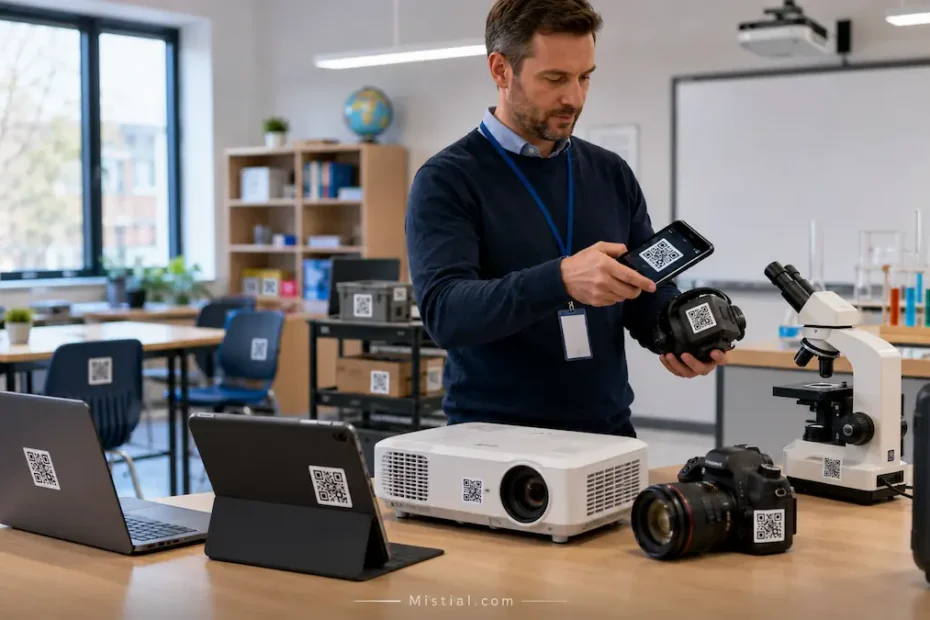
Educational institutions today manage thousands of physical assets — from laptops and projectors to laboratory equipment and furniture. Keeping track of these items manually is time-consuming, error-prone, and often leads to lost or misused resources. In recent years, QR code technology has emerged as a practical and cost-effective solution for streamlining asset tracking in schools, colleges, and universities.
QR codes offer a simple yet powerful way to label and monitor assets. Each code can be printed and attached to an item, creating a unique digital identity. When scanned with a smartphone or tablet, the code instantly retrieves information such as the asset’s location, purchase date, maintenance history, and current user. This immediacy reduces the need for complex databases and manual entry, making the process accessible even for staff with limited technical experience.
One of the main advantages of QR-based systems is their flexibility. Unlike RFID tags, which require specialized readers, QR codes can be scanned using any standard mobile device. This makes implementation significantly more affordable for educational budgets. Schools can start small — tagging high-value equipment in a single department — and expand the system gradually as needed.
In practice, QR asset management in education allows teachers and administrators to check equipment in and out quickly. For example, a media teacher can scan a camera’s QR code to log its checkout to a student, then scan it again upon return to update the status automatically. This creates a clear audit trail and reduces disputes over missing or damaged items.
Maintenance scheduling also becomes more efficient. When a piece of equipment requires service, the QR code can link directly to a maintenance log or work order form. Technicians can scan the code to view past repairs, warranty details, and recommended service intervals. This proactive approach helps extend the lifespan of expensive assets and minimizes unexpected downtime.
Another benefit is improved accountability. Since each scan records the user and timestamp, institutions can monitor usage patterns and identify potential misuse. This data supports better decision-making when planning future purchases or reallocating resources across departments.
Privacy and security are important considerations when implementing QR tracking systems. Educational institutions should ensure that the software used complies with data protection regulations and that sensitive information is encrypted. Access controls should limit who can view or modify asset records.
The adoption of QR technology in education reflects a broader shift toward digital transformation in the sector. As schools increasingly rely on technology for teaching and administration, efficient asset management becomes essential for maintaining operational continuity. QR codes provide a bridge between physical items and digital records, enabling institutions to make the most of their resources without significant investment.
As more schools share their experiences, best practices for QR implementation are becoming clearer. Successful deployments typically involve staff training, clear labeling standards, and integration with existing inventory or helpdesk systems. The goal is not just to track assets, but to create a culture of responsibility and transparency around resource usage.
With the right approach, QR code systems can help educational institutions reduce waste, improve maintenance efficiency, and make data-driven decisions about their physical infrastructure. The technology is simple, scalable, and adaptable to the unique needs of any learning environment.
