


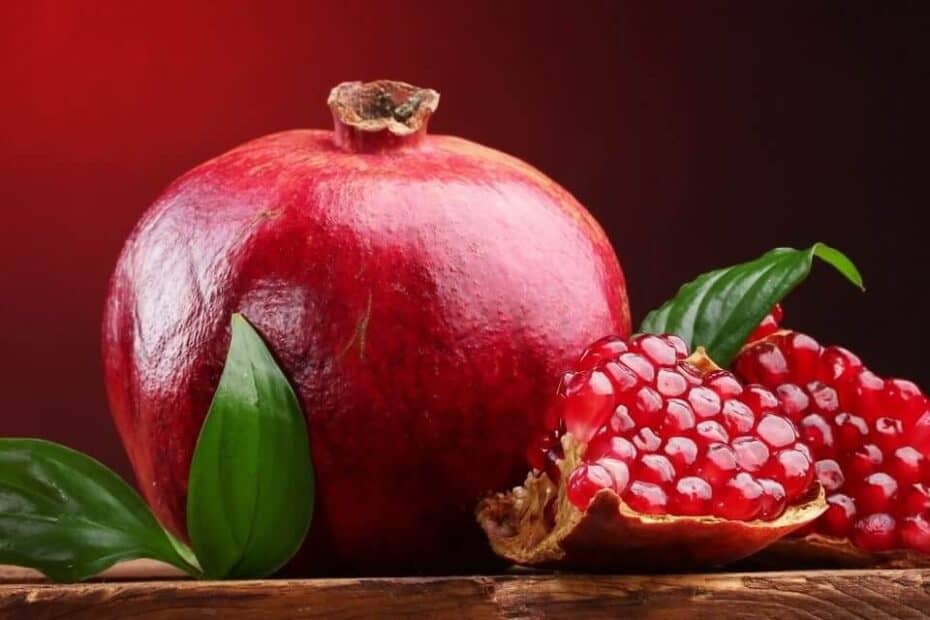
- 1 Pomegranate is a symbol of fertility, fidelity, “apple of paradise”, handsome oriental and just a unique fruit.
- 2 Garnet. Benefit.
- 3 Useful properties of pomegranate. Pomegranate peel.
- 4 Garnet. Contraindication. Too bad the grenade.
- 5 And how to choose a grenade?
- 6 How to store a pomegranate?
- 7 Garnet. Caloric content.
In winter, many of us are concerned about strengthening the immune system. Some people try to support their body with pharmacy vitamins, while others eat more seasonal fruits and vegetables. The second option is cheaper and more efficient, and much tastier. Moreover, even the small variety of vegetables and fruits that we can afford in winter, will provide our body with nutrients. Of course, there are also many nuances. You can talk about chemistry in everything and expand the topic. But as they say, it is necessary to live. And something to eat.
Pomegranate is a symbol of fertility, fidelity, “apple of paradise”, handsome oriental and just a unique fruit.
- For starters – pomegranate, not a fruit, but a berry. Like watermelon, for example. The basis for this conclusion was the fact that the pomegranate bushes bloom, after which the ovaries form berries – the same pomegranates. That is why it was decided to consider pomegranate a berry. In order not to inflame unnecessary controversy, I propose to call the pomegranate fruit and together learn about its useful properties and applications. By the way, the homeland of the grenade could not be determined: according to some sources it is Asia Minor, Iran and Afghanistan, according to others – North Africa.
- What else can you learn about pomegranates? Pomegranate, which is generally considered an indispensable product for the treatment of anemia, contains five times less iron than beef and liver. And even buckwheat has more iron. But, nevertheless, as an adjunct therapy, the intake of pomegranate juice is very even shown in combination with other iron-containing products and drugs. And you need to know that iron is very well absorbed in the presence of citric acid in the body, and it is just a rich pomegranate.
- It turns out that the pomegranate is one of the symbols of Azerbaijan and Armenia. In addition, his image is present on many emblems of Turkish cities. He is also mentioned in the Qur’an as one of the good things that Allah has created.
- Pomegranate has long been considered a symbol of fertility. According to the ancient Armenian rite, the bride must throw a grenade against the wall on the wedding day: how many grains will fall – so many children she will have
And there is also the opinion that the pomegranate was the “apple of paradise” that seduced Eve. It was also considered a symbol of fidelity – the ancient Greeks believed that the first pomegranate tree in Cyprus was planted by the goddess of love Aphrodite. - It was the pomegranate that gave the name to the Spanish city of Granada, also becoming its symbol. Here, this fruit is used as a decorative element to decorate homes.
In general, the name “pomegranate” in the Ukrainian language is derived from the Latin word granatus, which means “grainy”.
Garnet. Benefit.
The main advantage of pomegranate is the substances that are part of it, a variety of vitamins, amino acids and minerals. Pomegranate is rich in iodine, calcium, iron, potassium and magnesium. It contains phosphorus, manganese, chromium, copper. Vitamins: A, B1, B2, B6, B12, C, E, R. Pomegranate can “boast” the presence of 15 amino acids that can not be found in other fruits, but can be found in meat. Therefore, pomegranate is a very useful product for those who follow a vegetarian diet. Who needs pomegranate and why?
Useful properties of pomegranate. Pomegranate peel.
- Pomegranate is good for our heart. Regular use has a positive effect on lowering blood pressure and promotes blood formation.
- As already mentioned (and this fact is widely known), pomegranate juice and pomegranate fruits increase the level of hemoglobin in the blood. Thus, pomegranate juice diluted 1: 1 with water is consumed in 100 ml three times a day for about half an hour before meals. By nourishing your body for two months, you can successfully fight anemia.
- Pomegranate seeds are useful in diabetes. They lower blood sugar. Folk medicine advises diabetics to take a tablespoon of pomegranate juice mixed with a teaspoon of honey three times a day.
- The fruit is valuable not only grains but also pomegranate peel, the beneficial properties of which were known to our great-grandmothers. Decoction of pomegranate peel and its grains were taken as a remedy for diarrhea. Tannins had a tart effect in it. And although today diarrhea is fought by other, mainly drugs, those who prefer natural “medicines” can use this method.
- The high content of organic acids, as well as the presence of tannins have identified another area of application of pomegranate decoction – disinfection of the mouth and throat. For pharyngitis, stomatitis useful rinsing: 20 g of crushed peel per 200 ml of water boil and strain. Thus, pomegranate has very strong antibacterial properties.
- Scientists believe that pomegranate also has anti-cancer effects due to its high content of antioxidants. Prolonged and regular consumption of pomegranate juice will be an excellent prevention of cancer. It should be drunk by people who have undergone chemotherapy, as well as those who live in an area with a high radioactive background or whose work is associated with radioactive substances.
Garnet. Contraindication. Too bad the grenade.
- The harm of pomegranate, in general, is similar to its benefits and is associated with a high content of acids: citric, tartaric, oxalic, malic, boric and others. All of them irritate the gastric mucosa, so pomegranate should not be used by people with gastrointestinal problems: gastritis, pancreatitis, those who have high acidity of gastric juice.
- By the way, the use of undiluted pomegranate juice is harmful to people who do not complain of stomach problems. First, even a healthy mucosa will still be irritated, and secondly, concentrated pomegranate juice destroys tooth enamel. So you need to drink it, diluting in a ratio of 1: 1 (for pregnant women 1: 3) with boiled water or carrot and beet juice.
- Due to the content of astringents – tannins – pomegranate should be used with caution in people suffering from constipation or hemorrhoids.
- Danger and overdose of pomegranate peel decoction. The fact is that it contains dangerous toxic substances – alkaloids. Therefore, never exceed the recommended dose of powders or decoctions of pomegranate peel or peel.
- Pomegranate should not be used by children on a hypoallergenic diet. If the child has symptoms of asthma, it is better not to eat citrus fruits, pomegranate, pineapple, melon, strawberries, strawberries.
I would like to add that in today’s innovation of industrial pomegranate juice you can hardly find a quality product. Therefore, all the above recommendations apply only to natural pomegranate juice.
And how to choose a grenade?
- Pay attention to the density of the pomegranate. It must be firm, dense. At a relatively small size, it should be very, very heavy.
- It should be bright enough in color.
- We look at the appearance. The skin should be without spots. If the skin is dry, then it has been lying for a long time and the grains may not be juicy.
- The skin should envelop the fruit like a glove. And pomegranate seeds should seem to protrude through it.
- We pay attention to the “ass” of the pomegranate – the place where the flower grew. It should not be green.
How to store a pomegranate?
In a dry, cool place pomegranate is stored for a long time. Can be stored without a refrigerator. You can peel the pomegranate and freeze the seeds. So you can store them for up to a year.
Garnet. Caloric content.
The caloric content of pomegranate is low. 100 grams of pomegranate seeds contain 60 kcal. Caloric content of pomegranate juice is about 50 kcal.
Here are the benefits of pomegranate today. Eat pomegranate and feel healthy
