


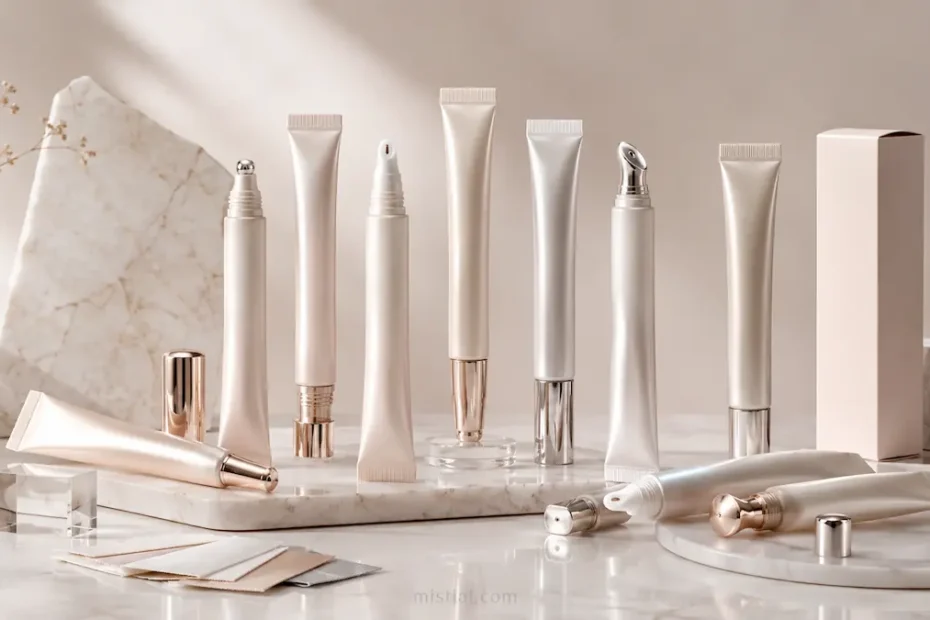
Eye Cream Tube Packaging Options (D16-D25) is a packaging decision about more than appearance. For a beauty brand, the tube has to protect the formula, fit the way consumers apply eye cream, support the selling price, and remain practical during filling and shipping. The best choice starts with the formula viscosity, fill volume, intended use occasion, decoration plan, and the level of customization the project can support.
Why the Tube System Matters
The main reason this topic matters is precision dosing, premium feel, and controlled application. A package that looks attractive in a rendering may still fail if the cap feels weak, the applicator dispenses too much product, or the printed area is too small for required claims and instructions. Buyers should evaluate the complete system: tube body, shoulder, tip, cap, seal, decoration, carton, and filling process.
Common format choices include D16, D19, D22, and D25 slim tubes with nozzles or applicators. These options can look similar in online catalogs, but they behave differently in real use. A soft squeeze tube may be ideal for frequent daily application, while a more controlled tip may be better for concentrated formulas. A premium product may need a cleaner cap line and more accurate color matching, while a value-oriented item may prioritize reliable standard tooling.
Materials, Applicators and Cap Details
Material selection should follow the formula rather than the trend. PE tubes are flexible, lightweight, and widely used for skincare and makeup packaging. Laminate structures may be considered when the brand needs stronger barrier performance, detailed graphics, or a more structured body. Transparent or specialty materials can improve shelf impact, but they should be tested for stress, staining, fragrance interaction, and long-term appearance.
For buyers comparing supplier pages, reviewing eye cream tube packaging can help align the eye cream concept with available tube structures, applicator options, decoration methods, and quotation requirements. Use the linked page as a reference point, then confirm the exact drawing, sample, and compatibility plan with the manufacturer.
How to Specify the Package
When preparing a specification, buyers should define capacity, diameter, tube length, wall feel, cap style, color standard, artwork process, and packing method. For eye cream, special attention should be paid to small-diameter filling, tip cleanliness, and cap alignment. These details are easier to solve before tooling, printing plates, and bulk materials are confirmed.
- Confirm the formula type, viscosity, fill volume, and target shelf life.
- Request samples for squeeze feel, dispensing control, closure fit, and leak resistance.
- Review artwork on the real tube diameter before approving mass production.
- Document color, decoration, packing, inspection, and approved sample standards.
Sampling and Quality Control
A practical sample process usually includes three stages. First, review plain structural samples to judge proportions, squeeze feel, and cap fit. Second, test filled samples with the actual formula under normal and stressed storage conditions. Third, approve decorated samples so the team can compare print density, gloss level, metallic effects, label placement, and cap alignment against the final artwork.
Quality control should not only check obvious defects. The supplier should inspect dimensions, shoulder bonding, cap torque, leakage, print registration, surface scratches, color consistency, carton protection, and random filled-sample performance. If the product will be sold in gift sets, travel kits, ecommerce bundles, or humid retail environments, the package should also be checked in those scenarios.
Final Recommendation
The safest recommendation is to choose the eye cream tube around the formula and user habit first, then refine the decorative details. A clear brief, physical samples, compatibility testing, and documented approval standards make eye cream tube packaging options (d16-d25) easier to manage from concept to repeat production.
