


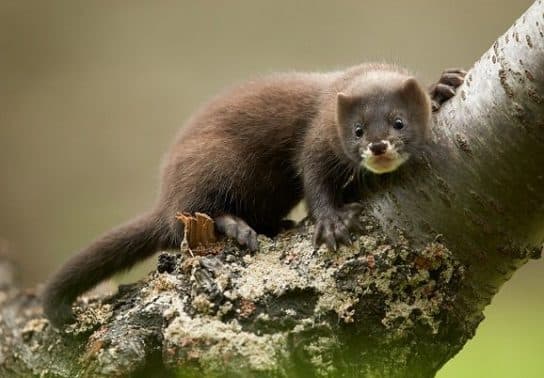
This is a small mammal that belongs to mustelids. These are quite popular pets. Honorik was bred by crossing the European mink with the forest and steppe ferret. This happened in 1978. Only in Russia these animals are called honorics, in all other countries they are called ferrets.
Appearance
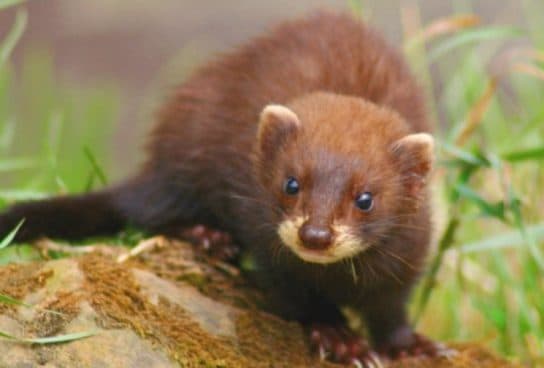
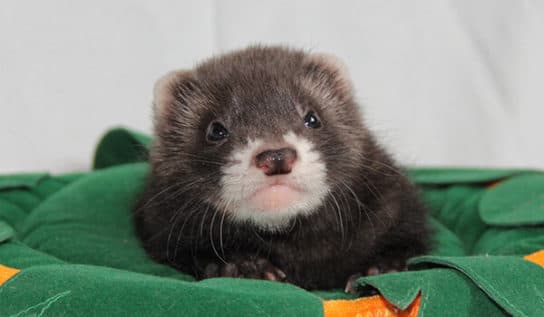
Honorik is very similar to his fellow ferret. The animal has a very flexible body, long neck and tail. The average weight of an adult Honorik can range from 400 g to 2.5 kg. The average growth of a mammal is 50 cm. The head of this mustelid is small. The eyes are also quite small, with a brown iris. The animal’s chin is white; it has white stripes on its neck. Honorik also has a mustache. The hair is dense, sable-like.
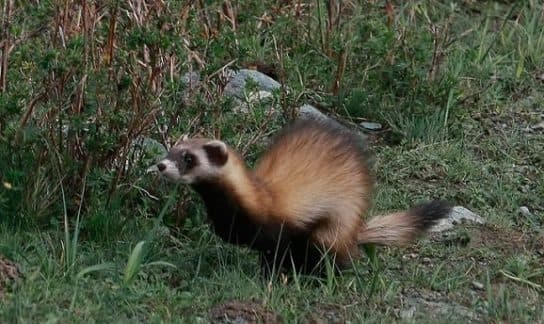
The undercoat of a mammal is usually brown. The limbs are not very long, but they allow Honorik to move at great speed. The length of the tail varies from 15 to 20 cm, the hair on it is very fluffy.
These animals can adapt to any climate change. In winter, they are tightly wrapped in fur, which does not freeze, and in summer they shed. Interestingly, their metabolism is slower in winter.

In summer, Honoriki weigh less, they have practically no body fat, but closer to winter they gain a lot of weight and grow wool.
Honoriki live in the wild for about 5 years, but if the animal is domesticated and lives with people, it can live up to 10-12 years.
Where dwells
Honoriki were bred artificially, so it is almost impossible to find them in nature. But sometimes these mammals can be found in the south and in the center of Russia, in western Europe and Asia. You can also see them in Ukraine, on the territory of Moldova and Romania, the Czech Republic and Poland. They prefer forests and places near water bodies. Honoriki create burrows in which they spend most of their time. Animals swim well, because in the summer they are often in the water.
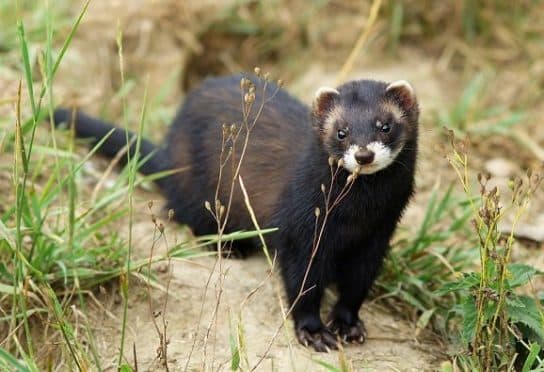
In captivity, omnivores should be kept in a cage, where you need to lay a blanket. Honoriki love warm places where there are no drafts. It is not difficult to train animals to the litter box, they also remember the place of feeding well.
The mammal should be released from the cage several times a day, but they are very nimble, so at such times it is better to keep an eye on the Honoriki. They easily hide in the most inaccessible places, they can climb inside the washing machine for the sake of interest.
What eats
Honoriki eat both plant foods and meat. They prefer to eat mice, toads and frogs, fish and locusts with grasshoppers. Sometimes they can even hunt hares. Domesticated Honoriks are often fed eggs, vegetables, and fish. If there is no time to develop a ration, they are given food from a pet store. It is impossible to feed them with smoked and salty food – animals can die.
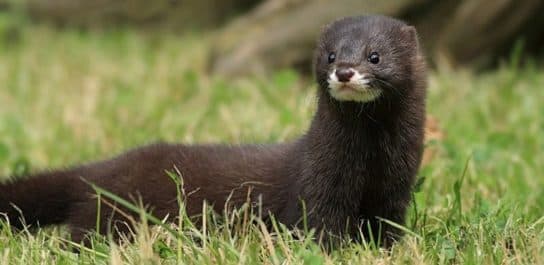
These omnivores need a lot of water. Usually it is poured into a sippy cup, and if this is not done, water will be poured throughout the cage. To prevent the animal from being poisoned, food debris is immediately removed from the cage.
Lifestyle
Honorik is a predator, so he is often aggressive. Because of this, you should not live it in a house with babies. They can hunt other pets such as rats and hamsters. But at the same time, the Honoriki get along with dogs.
These mammals are active at night. When the Honoriki are awake, they run around the apartment and are constantly on the move.
Animals willingly play with household members, do not like to spend time alone. Domesticated honoriki usually do not emit musk when threatened, but wild individuals, when danger appears, always do this with the help of anus glands.
These representatives of the weasel are very intelligent, they are easy to train. When they feel unwell, the animals coo. They hiss and snort to express their displeasure. If Honorik is in danger, he screams loudly. And to find out that the animal is hungry, the squeak that it publishes will help.
Females are usually easier to train than males. However, the latter show great loyalty to the owner. A negative trait of Honorik’s character is persistence. The predator will demand the fulfillment of all his desires immediately.
It is impossible to wean Honorik from destroying wires and flower pots, so you should immediately prohibit doing this.
Natural enemies
These predators are often hunted by wolves and jackals, lynxes and snakes. They can be a tasty morsel for hawks and falcons. Often, the enemies of the Honoriks manage to catch sick individuals and young animals.
Diseases
Domesticated individuals can get sick with parovirus enteritis and rabies, the plague of carnivores. To prevent infection, animals are vaccinated and include vitamin supplements in the diet. If Honorik does become infected, you should take him to the veterinarian and not try to heal on his own. These predators often have fleas that can be easily removed with a feline shampoo.
Reproduction
Honoriki are a hybrid species, so males cannot fertilize females. Females are usually crossed with ferrets. The mating season starts in the spring and ends in the fall. The mating is stormy. The male often chases the female and drags it to a secluded place. In the process of mating, the female usually wants to escape, but then the ferret bites her and rips off the withers.

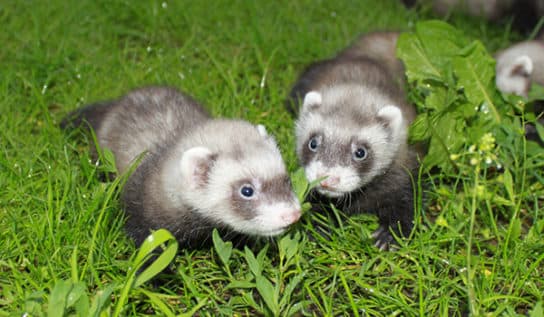
The female bears cubs for about one and a half months. Before giving birth, she is isolated from the male, because he can harm the cubs. Usually 2 cubs are born, they are born blind. Young growth grows rather quickly; within a month after birth, they begin to eat meat.
