


Pumpkin plants are classified as flowering plants. There are more than six hundred species of them – and almost all of them are annual (sometimes perennial) grasses that calmly endure the winter thanks to their powerful root system. Only a few of them are shrubs or semi-shrubs. The oldest and only form of these plants is the dendrosicios, a rare endemic that grows on the island of Socotra.
Representatives of the pumpkin are distributed throughout the earth – of course, excluding the northern territories – but most of them grow in the tropics.
Pumpkin
This genus of herbaceous plants is represented by the most famous of them – the common pumpkin, which is cultivated as both food and fodder crops. It is an annual melon plant with a hairy stem and large leaves. Large flowers are arranged singly or in bunches (depending on gender). A large fruit with a hard shell also has numerous seeds.
Zucchini
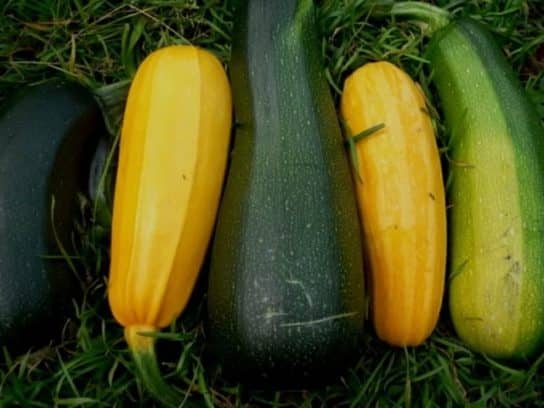

Representatives of this family are a bushy variety of common pumpkin with medium-sized fruits ranging from green to white. They originated from northern Mexico – along with corn and pumpkin, it was the zucchini that has always been the basis of the local diet. Today, zucchini grows wherever the climate permits: in appearance it looks like a large cucumber, but has a denser skin.
Cucumber
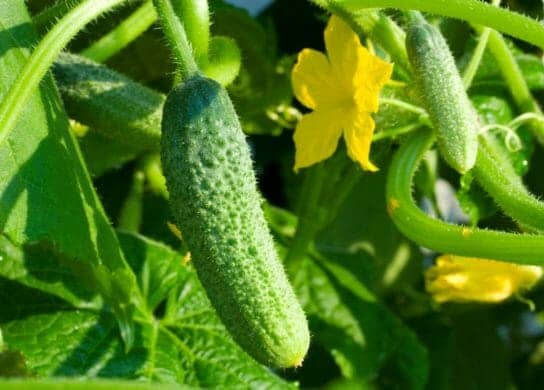

Cucumber is an annual herbaceous plant that has been known for over six thousand years. It is usually eaten unripe (for example, pumpkin can be eaten only at the stage of maturity) – it is from this property that it got its name (the Greek “aguros” just means unripe). Today cucumbers are cultivated in open and closed ground – and more and more new varieties and types of this plant appear.
Patisson
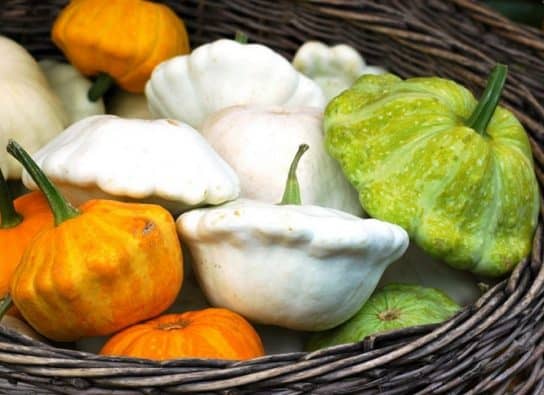

It is a herbaceous annual, a relative and species of pumpkin that is not found anywhere in the wild. In Europe, the squash was brought from America – and it was here that it gained its popularity. Patisson is distinguished by a bushy and semi-shrub structure, has a memorable bell-shaped or plate-like shape of a light shade – from white to green-yellow.
Watermelon
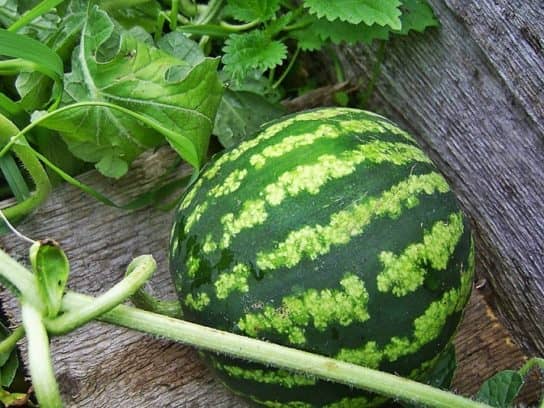
This annual melon culture was first described by the Swede Thunberg back in 1794. The root system of a watermelon is highly absorbable and very powerful – the main root can penetrate up to a meter deep. The leaves of the watermelon are hairy and quite tough, on long stalks they are located on long stems (more than three meters long).
Melon
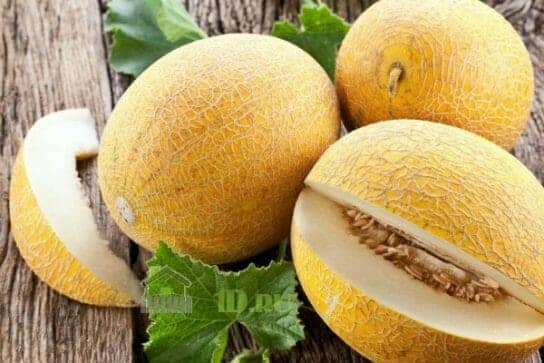

A melon culture from the genus of cucumbers comes from Asia, where it was domesticated more than four hundred years ago. It is not found in the wild now – but all the warm territories of the world are very familiar with it. Melon is an annual with a long, thick stem up to two meters. It has three types of flowers – male, female and bisexual – depending on the species.
Zucchini
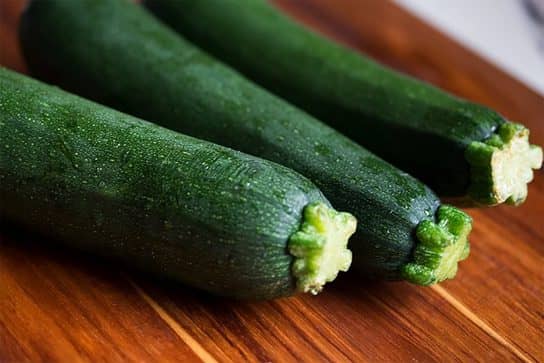
Zucchini is a type of zucchini originating from Italy. In Italian it is called so – “small pumpkin”. It differs from zucchini in more compact lashes, more decorative structure and leaves, and a more delicate taste of the pulp. The rind of zucchini is smoothly colored or striped – moreover, there are also different varieties of them, depending on the shape of the fruit.
Swallow
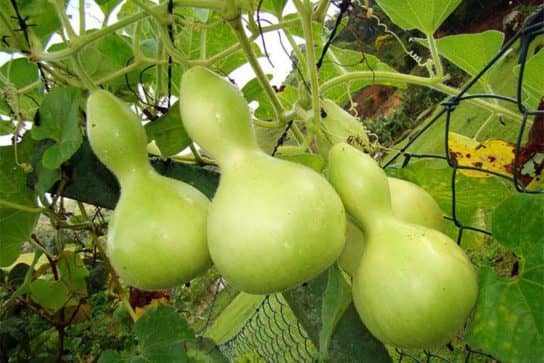
Gourd pumpkin, or in another way Indian cucumber, calabas is an annual creeping vine from the pumpkin family. It is grown exclusively for the sake of bottle-shaped fruits, which are used for a wide variety of purposes: for example, young fruits are used in cooking, but ripe forms are used as vessels or even musical instruments.
Chayote
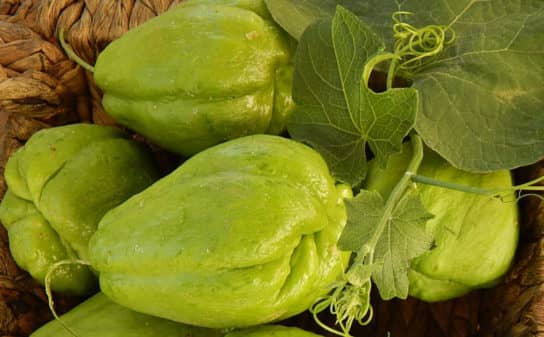

This edible form of culture from Mexico, which was known to the ancient Indian tribes. Today the plant is supplied by Costa Rica, but chayote is well known in many warm countries. Chayote shoots reach 20 meters – and they need support. Its root system is a fleshy root with tubers that form in the second year of life.
Iklantera
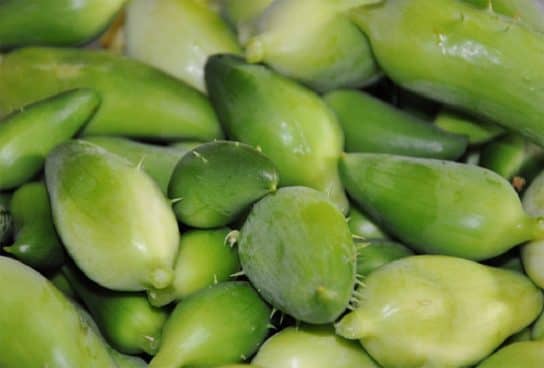

Cyclantera is a Peruvian cucumber that grows in many warm countries. South America is recognized as its homeland, and the Incas began to cultivate it. The young plant is used in a variety of forms – both in the usual (fried-boiled) and in pickled form, and even stems and shoots are eaten. The black seeds of the plant are enclosed inside the fruit in a special chamber.
Beninkaza
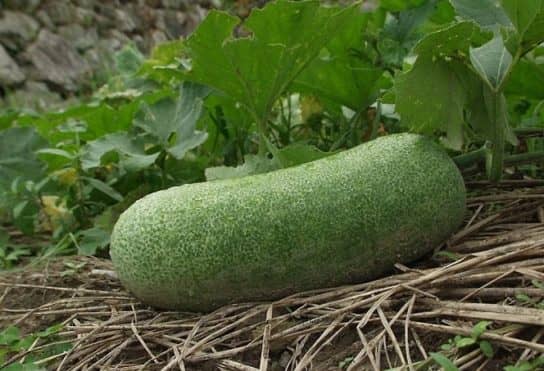

Winter gourd, or benincasa, is a herbaceous vine that bears huge fruits (up to two meters and weighing up to 10 kg). Unripe fruits have a velvety structure, but by the time of ripening they are covered with a waxy bloom – it is this property that allows winter pumpkin to persist long after harvesting. The leaves of this pumpkin are not as large as those of others.
Sikana
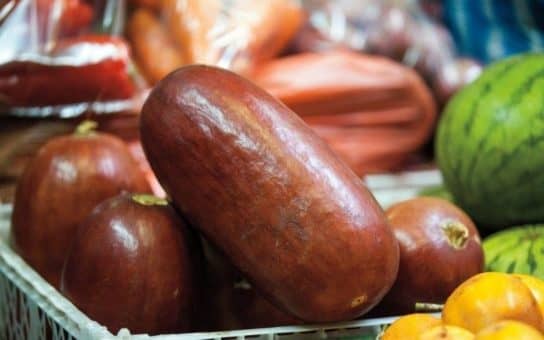

Sikana, or fragrant pumpkin, is native to Brazil and Ecuador. In the middle lane, this variety is usually cultivated in greenhouses. It has a slightly curved small fruit (up to 60 cm long) with a smooth, rich skin. Sikana pulp has a special aroma and tastes like sweet pumpkin. Shikana is commonly used in salads.
Melotria
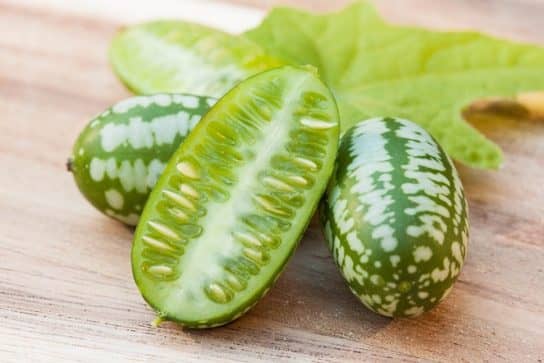
It is a climbing herb native to the rainforests of America. It is cultivated and grown for the sake of small (up to 2 cm) fruits that resemble tiny watermelons in appearance, and pickles to taste. Large tubers formed on the plant (up to 400 g) resemble sweet potatoes in size and are also used for food – for salads.
Conclusion
Plants of the pumpkin family have one common botanical characteristic – their liana-like structure. All pumpkin plants have long stems, which are called whips, capable of climbing on supports using a mustache. Leaves are usually petioled, lobed, without stipules – and most plants have both female and male flowers on the stem – their proportion depends on the length of daylight hours or other environmental conditions (for example, carbon monoxide content or temperature).
The pumpkin family is widely used – from culinary purposes to the manufacture of vessels and certain musical instruments.

