Home » All Articles » Insectivorous birds of the forest – a list of species with photos and names, meaning and examples

Insectivorous birds of the forest – a list of species with photos and names, meaning and examples

Insectivorous birds of the forest – a list of species with photos and names, meaning and examples

Most vertebrates are predators, and among them it is the birds that can be awarded the palm in the number of exterminated insects. So, some of these birdies can kill about a hundred insects in a day. The most common among birds that feed on insects (if we take into account urban conditions) is the order of passerines – these are the well-known tits, sparrows, flycatchers and other birds.

A particularly large number of insects are consumed by birds during the nesting and feeding period – in the spring. Therefore, this nuance must be taken into account when planning measures to combat spring pests – chemical treatment at this time can damage chicks and birds.

Great tit

Blue tit

Insectivorous birds of the forest – a list of species with photos and names, meaning and examples

Starling

Insectivorous birds of the forest – a list of species with photos and names, meaning and examples

Lark

Insectivorous birds of the forest – a list of species with photos and names, meaning and examples

Crested lark

Insectivorous birds of the forest – a list of species with photos and names, meaning and examples

White wagtail

Insectivorous birds of the forest – a list of species with photos and names, meaning and examples

Forest horse

Insectivorous birds of the forest – a list of species with photos and names, meaning and examples

Common nuthatch

Insectivorous birds of the forest – a list of species with photos and names, meaning and examples

Pied flycatcher

Insectivorous birds of the forest – a list of species with photos and names, meaning and examples

Yellow-headed beetle

Insectivorous birds of the forest – a list of species with photos and names, meaning and examples

Willow warbler

Insectivorous birds of the forest – a list of species with photos and names, meaning and examples

SulfurI’m a warbler

Insectivorous birds of the forest – a list of species with photos and names, meaning and examples

Slavka-chernogolovka

Insectivorous birds of the forest – a list of species with photos and names, meaning and examples

Blackbird

Insectivorous birds of the forest – a list of species with photos and names, meaning and examples

Common redstart

Insectivorous birds of the forest – a list of species with photos and names, meaning and examples

Nightingale

Insectivorous birds of the forest – a list of species with photos and names, meaning and examples

Bluethroat

Insectivorous birds of the forest – a list of species with photos and names, meaning and examples

Зарянка

Insectivorous birds of the forest – a list of species with photos and names, meaning and examples

Hoopoe

Insectivorous birds of the forest – a list of species with photos and names, meaning and examples

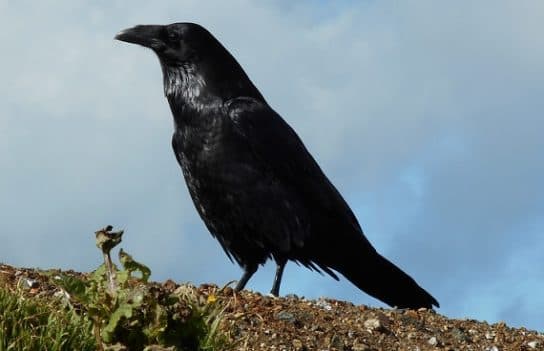
Common raven

Insectivorous birds of the forest – a list of species with photos and names, meaning and examples

Hoodie

Insectivorous birds of the forest – a list of species with photos and names, meaning and examples

Ivolga

Insectivorous birds of the forest – a list of species with photos and names, meaning and examples

Finch

Insectivorous birds of the forest – a list of species with photos and names, meaning and examples

Sparrow

Insectivorous birds of the forest – a list of species with photos and names, meaning and examples

Great spotted woodpecker

Insectivorous birds of the forest – a list of species with photos and names, meaning and examples

Woodpecker melanerpes

Insectivorous birds of the forest – a list of species with photos and names, meaning and examples

Red-bellied woodpecker

Insectivorous birds of the forest – a list of species with photos and names, meaning and examples

Common woodpecker

Insectivorous birds of the forest – a list of species with photos and names, meaning and examples

Great pointed woodpecker

Insectivorous birds of the forest – a list of species with photos and names, meaning and examples

Magellan’s woodpecker

Insectivorous birds of the forest – a list of species with photos and names, meaning and examples

Syrian woodpecker

Insectivorous birds of the forest – a list of species with photos and names, meaning and examples

White-backed woodpecker

Insectivorous birds of the forest – a list of species with photos and names, meaning and examples

Hairy woodpecker

Insectivorous birds of the forest – a list of species with photos and names, meaning and examples

Vertigo

Insectivorous birds of the forest – a list of species with photos and names, meaning and examples

Green woodpecker

Insectivorous birds of the forest – a list of species with photos and names, meaning and examples

Lesser spotted woodpecker

Insectivorous birds of the forest – a list of species with photos and names, meaning and examples

Gray-headed woodpecker

Insectivorous birds of the forest – a list of species with photos and names, meaning and examples

Middle Spotted Woodpecker

Insectivorous birds of the forest – a list of species with photos and names, meaning and examples

Three-toed woodpecker

Insectivorous birds of the forest – a list of species with photos and names, meaning and examples

Black woodpecker (Zhelna)

Insectivorous birds of the forest – a list of species with photos and names, meaning and examples

The main benefit of insectivorous birds is precisely in the destruction of a huge number of pests that infringe on the crop. Of course, these are far from all insects, but the destroyed mass of beetles is enough to preserve garden and other plantings. Starlings, swallows, redstarts actively work and help in agriculture.

Gardeners and agronomists are well aware of the information on the order of feeding of insectivores in order to take into account all the points. So, in the order of the search for food, several groups of these birds are distinguished:

  • collecting food in the upper layers of the soil and on its surface, in the grass (finches, blackbirds, rooks);
  • hunting on branches of bushes (warblers, robins);
  • looking for food on trees (tits, warblers).

Insectivores should be treated with great attention – after all, they are a significant link in the food chain, helping to destroy a wide variety of pests that encroach on crops.

You need to understand that the warm season is characterized by an abundance of food for insectivores, but in cold weather it is advisable to feed them. In this case, it is also necessary to take into account the needs of birds in water.

Birds that feed on insects feed their offspring with this type of food. So, one pair of tits needs 5 thousand insects for their chicks per season. And this is not taking into account the need for food of the parents themselves – usually insectivores eat as much per day as they weigh themselves.

For all their usefulness, the benefits of this type of birds are not limited only to the warm period of the day – after all, these birds are very active in autumn and winter. In cold weather, woodpeckers, titmice cleanse trees of egg-laying pests such as silkworms, moths and many other insects.

We suggest reading the article “What birds eat”, in which you will learn about other categories of birds by the way they are fed.