


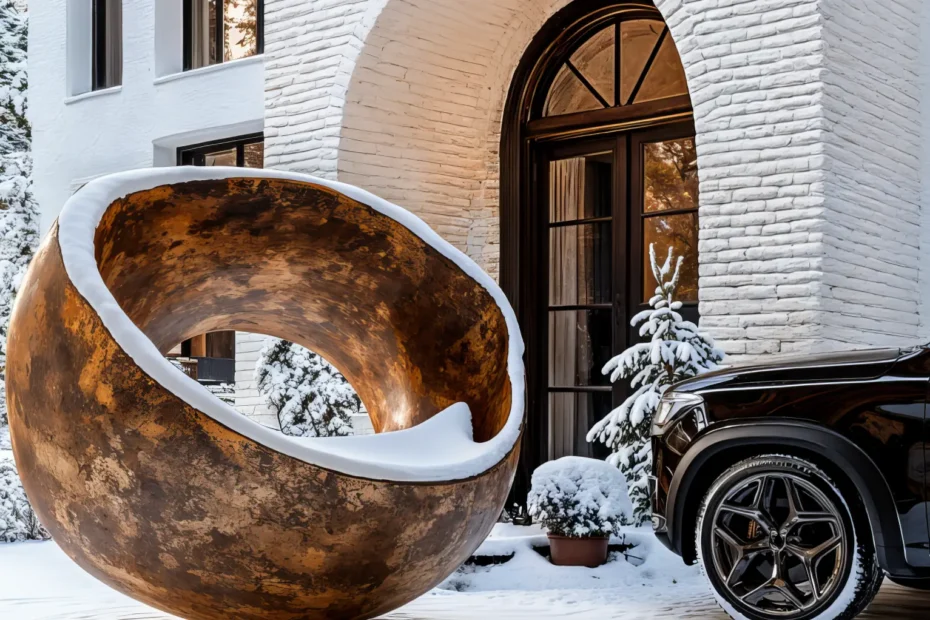
In today’s architectural and interior design landscape, sculpture is no longer a secondary decorative element. It has become a focal point that shapes space, emotion, and identity. Contemporary sculpture bridges art, design, and engineering, transforming private residences, corporate environments, and public spaces into meaningful visual experiences. One of the most compelling trends in modern sculpture is the fusion of classical artistic traditions with advanced materials and technologies.
Italian sculptural ateliers have long been at the forefront of this evolution, combining heritage craftsmanship with modern production capabilities. This approach allows artists to preserve the soul of classical sculpture while expanding its possibilities through scale, durability, and innovative forms.
Materials That Define Modern Sculptural Language
Material choice is central to how a sculpture interacts with its environment. Each medium carries its own visual language, technical properties, and emotional impact. Modern sculptors carefully select materials not only for aesthetics, but also for longevity and contextual relevance.
Key materials widely used in contemporary sculpture include:
- Corten steel, valued for its evolving surface and natural protective patina that enhances outdoor installations
- Stainless steel, offering high corrosion resistance and mirror-like or satin finishes ideal for contemporary spaces
- Bronze, a timeless alloy associated with classical sculpture, depth, and permanence
- Fiberglass, a lightweight yet durable material that enables complex shapes and large-scale forms
- Marble and wood, natural materials that bring organic texture, warmth, and historical resonance
The ability to work confidently with such diverse materials allows artists to create sculptures ranging from intimate interior pieces to monumental outdoor compositions, each adapted to its specific architectural and environmental context.
From Concept to Installation: An Individual Artistic Process
Behind every successful sculpture lies a carefully structured creative process. Unlike mass-produced decorative objects, bespoke sculptures are the result of close collaboration between artists, engineers, and clients. This process typically unfolds in several stages:
- Concept development and artistic sketching
- Material selection based on location, scale, and design intent
- Engineering and technical modeling
- Fabrication using both traditional and modern techniques
- Final finishing and professional installation
Such an approach ensures that each sculpture is not only visually striking, but also structurally sound and perfectly integrated into its surroundings. This level of customization is particularly important for architects, developers, and collectors seeking art objects that enhance the identity of a space rather than simply fill it.
Why Italian Contemporary Sculpture Stands Out
Italy’s reputation in the world of art is built on centuries of mastery, yet its contemporary studios continue to innovate. By embracing modern technologies while respecting classical principles of proportion, balance, and harmony, Italian sculptors create works that feel both timeless and forward-looking.
A strong example of this philosophy can be seen in the work presented at https://www.arieteart.com/eng/home, where tradition and innovation coexist within a single creative ecosystem. Sculptures are conceived as complete art objects — from the first sketch to the final installation — ensuring consistency of vision and exceptional quality at every stage.
Sculpture as a Long-Term Investment in Space
Contemporary sculpture is more than visual enrichment. It is an investment in atmosphere, identity, and cultural value. Whether placed in a private garden, a hotel lobby, an office atrium, or a public square, a well-designed sculpture becomes a lasting symbol of taste and intention.
By combining durable materials, thoughtful design, and an individualized creative process, modern sculptural art continues to redefine how we experience space — proving that true craftsmanship remains relevant in the age of innovation.
