


- 1 The Rise of Japanese Anime as a Global Language
- 2 Visual Styles that Redefined 2D Animation
- 3 Storytelling Innovations That Influenced the World
- 4 Technical and Production Influences
- 5 How Anime Influences Modern Commercial and Marketing Animation
- 6 Why Anime Inspired 2D Animation Works So Well for Business
- 7 The Future: Where Anime’s Influence Is Heading Next
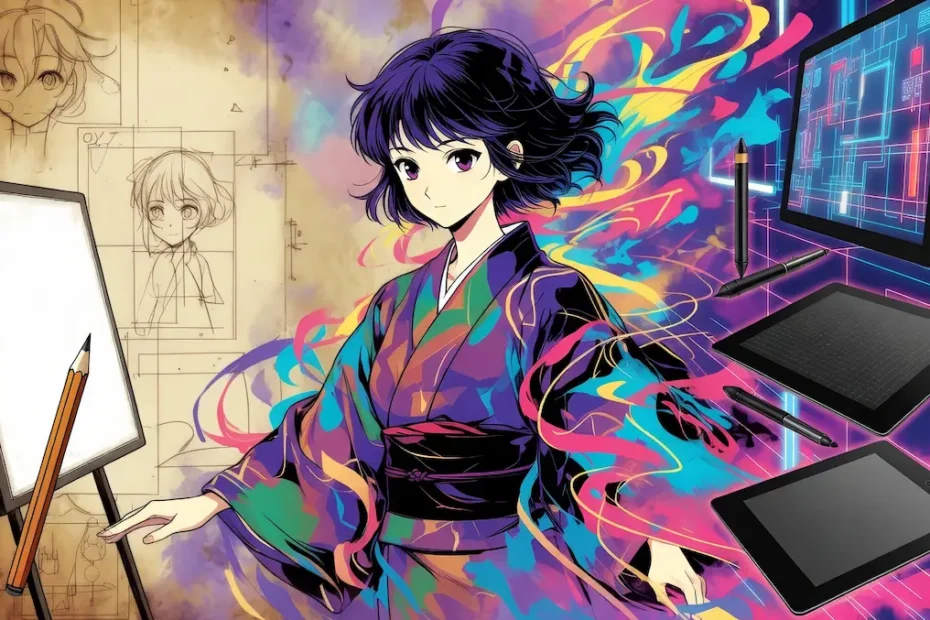
For decades Japanese anime has been a driving force in global pop culture. It has influenced fashion, games, film, storytelling, and even the way brands communicate. But its biggest and most lasting impact is on animation itself. Today many studios, marketers, and creators draw ideas from anime without even realizing it. From bold visual styles to new storytelling habits, anime has changed how the world sees 2D animation and what audiences expect from it.
For companies exploring 2d animation for business, understanding this influence is more than a lesson in animation history. It helps you see why anime’s visual language works, how it engages viewers, and how some of its tools can make commercial content more effective.
This article explores anime’s impact across the visual, technical, and narrative sides of 2D animation worldwide. It also looks at how brands and studios use anime inspired techniques today.
The Rise of Japanese Anime as a Global Language
Anime did not become a worldwide cultural force overnight. In the 1960s series like Astro Boy introduced the idea of serialized animated storytelling outside of Japan. In the 1990s titles such as Sailor Moon, Pokémon, and Dragon Ball Z exploded internationally, capturing audiences who had never seen animation with this style and personality.
By the early 2000s anime had climbed from niche fandom to mainstream entertainment. High school kids were watching Naruto after class. Families discovered Studio Ghibli films. Cosplay gained visibility. Streaming platforms later accelerated everything by giving global audiences instant access to hundreds of titles.
Through this rise anime became a visual language of its own. A language that today influences commercials, explainer videos, music videos, web content, and game trailers. It set new expectations for energy, emotion, and worldbuilding in animation, and those expectations spilled into every creative industry that uses motion.
Visual Styles that Redefined 2D Animation
1. Character Design with Strong Silhouettes
Anime taught the world the value of memorable silhouettes. Big hair shapes, distinct costumes, bold proportions, and expressive eyes help viewers recognize characters faster. Even minimalist flats become instantly iconic.
Many studios outside Japan took note. Western cartoons like Teen Titans or Avatar: The Last Airbender use anime inspired silhouettes and facial expressions because they read quickly and create attachment.
In commercial animation this principle becomes incredibly useful. When using 2d animation for business, a recognizable character can guide viewers through onboarding, training, and product stories. The influence of anime helps brands build characters that feel modern and full of life.
2. The “Less is More” Background Approach
Anime is known for its flexible backgrounds. Scenes may switch from detailed locations to simple color blocks if the emotion calls for it. This was once a cost driven technique, but it evolved into a storytelling tool. Backgrounds soften to highlight characters. They sharpen to build tension. They freeze to focus attention.
Many global 2D artists now adopt this approach instead of always chasing realism. It keeps production smooth and lets animators control pacing with visual decisions rather than budget.
3. Dynamic Action and Motion Lines
Anime redefined action in 2D. Instead of relying on full frame animation every second, many studios use key poses, exaggerated timing, and speed lines to show power and momentum. A single well drawn pose with motion effects can deliver more impact than twenty frames of literal movement.
This technique changed global animation. Music videos, commercials, and even sports highlight reels use anime inspired action to keep viewers excited.
4. Color as Emotion, Not Decoration
Anime uses color to show tone. Warm bursts signal victory or friendship. Cold palettes create mystery or loneliness. Neon accents heighten fantasy worlds. Emotional color grading in anime has inspired global storytelling, including brand communication, where palettes help shape viewer perception at a glance.
Storytelling Innovations That Influenced the World
Anime’s impact goes beyond visuals. It changed how stories are built, paced, and delivered in animated form.
1. Long Form Emotional Storytelling
In many countries animation was once seen as entertainment for children. Anime challenged that idea. Series targeted teens and adults, exploring complex themes like responsibility, grief, identity, courage, and ambition. Even action heavy shows spent time on character arcs and emotional depth.
This shift opened the door for adult animation worldwide. It also influenced the tone of modern brand storytelling. Today companies use narrative depth even in short animated pieces. A product demo can feel like a mini story. An onboarding video can feel like a character’s journey. This emotional angle helps viewers connect more strongly with information.
2. Slice of Life as a Narrative Tool
Anime popularized everyday storytelling. Shows about school clubs, cooking, friendships, and small moments gained huge global followings. This proved that even simple stories can be compelling with the right emotional beats.
This lesson now shapes commercial content. Instead of focusing only on product features, brands often show how a product fits into daily life, following the anime style of using relatable moments to communicate value.
3. Mixed Genres and Creative Freedom
Anime blends genres with ease. Romance with sci-fi. Action with comedy. Fantasy with horror. Nothing is off limits. This flexibility broke the idea that animation must fit a strict category.
For creators this freedom is inspiring. Studios worldwide now mix styles and moods more boldly. When companies use 2d animation for business, they also experiment with hybrid genres to stand out. A cybersecurity company may use fantasy metaphors. A fintech startup may use adventure themes. The influence of anime lets commercial content break away from corporate stiffness.
4. Symbolic Visual Storytelling
Anime often relies on symbolic imagery to express emotion or inner thoughts. Falling petals, glowing auras, stylized cuts, frozen frames, abstract shapes. These shortcuts deliver meaning fast without heavy explanation.
Today these techniques appear in global 2D animation, from marketing videos to educational content. It helps creators compress complex ideas into simple visuals that audiences understand instantly.
Technical and Production Influences
Anime’s global success also impacted the way studios approach workflows.
1. Efficient Production with Strong Key Frames
Anime production relies heavily on key pose animators. Once the key moments are set, in-between frames are added to support the motion. This approach lets teams focus more energy on the most expressive parts of a scene.
Worldwide many studios adopted similar workflows, especially for budget conscious projects. The idea is simple: when the pose is strong, the animation feels strong.
2. Mixed Frame Rates for Style
Anime often changes frame rates depending on the scene. Some shots animate at 12 frames per second, others at 24, and sometimes still images appear with subtle motion like hair shifts or camera pans. This creates variation in rhythm and helps viewers focus attention where it matters.
Today many 2D artists outside Japan use mixed frame rates not only to save time but to build style. It creates a unique movement pattern that stands out against overly smooth or uniform animation.
3. The Rise of Limited Animation as an Artistic Choice
Before anime gained global popularity, limited animation was often viewed as inferior. Anime demonstrated that limited animation can be expressive, emotional, and stylish. Strong compositions, striking backgrounds, and well timed cuts can make a scene feel dynamic without constant full motion.
This realization changed global 2D animation. It proved that creativity matters more than raw frame count, and that thoughtful direction can make even simple scenes powerful. This mindset helps businesses today produce high quality 2D content without unrealistic budgets.
How Anime Influences Modern Commercial and Marketing Animation
Anime shaped entertainment, but it also shaped advertising and branded content.
1. Anime as a Tool for Brand Identity
Brands use anime styles because they signal energy, innovation, and youthfulness. It works especially well in tech, gaming, education, and lifestyle industries. Anime inspired characters help companies stand out and stay memorable.
Using 2d animation for business in this way builds personality without needing live action actors or expensive production sets.
2. Anime in Product Launches and Explainer Videos
Anime’s clear dramatic language makes complex ideas easier to understand. When technology brands explain products with anime inspired visuals, viewers follow the story instantly. Movement, symbols, and color cues guide the eye and keep attention high.
This is why everything from fintech apps to medical tools now use anime style motion for explainers.
3. Emotional Branding Through Character Driven Animation
Anime showed the world that animated characters can deliver emotional storytelling as effectively as live actors. Brands now use character arcs to make their message relatable. The tone may be light or serious, but the approach always focuses on connecting with human emotion.
This tactic is effective in onboarding, recruitment videos, social campaigns, and internal training. It is one of the biggest crossovers between anime storytelling and business communication.
4. Viral Potential on Social Media
Anime visuals spread quickly. Platforms like TikTok, Instagram, and YouTube are filled with anime inspired edits, transitions, and motion trends. When brands adopt this style, they tap into existing viewer behavior. It makes their content more shareable and more likely to build organic reach.
Why Anime Inspired 2D Animation Works So Well for Business
Anime changed global animation because it connects with viewers fast. The same strengths make it powerful for commercial use.
1. High Engagement
Anime visuals pop. They read clearly on mobile screens and capture attention even in crowded feeds. This matters for brands competing for viewer time.
2. Strong Emotional Pull
Stories told through anime style character expression or color use help viewers feel something. People remember emotions more than information, which is why anime inspired 2d animation for business often performs better than plain corporate visuals.
3. Universal Appeal
Anime’s simple shapes, readable actions, and symbolic cues work across languages and cultures. This makes it ideal for global brands.
4. Efficient Production
Anime inspired workflows allow for visually rich animation without heavy production costs. Limited animation, simplified backgrounds, and stylized motion keep budgets reasonable while maintaining strong impact.
The Future: Where Anime’s Influence Is Heading Next
Anime is no longer a niche art form. It now shapes visual culture worldwide. As technology evolves, its influence will continue to grow in areas like:
- hybrid animation mixing 2D anime style with 3D environments
- AI assisted cleanup and in-betweening
- interactive storytelling in games and apps
- virtual influencers and animated mascots
- immersive “anime worlds” for marketing campaigns
For studios and companies exploring 2d animation for business, anime will continue to be a major source of ideas, techniques, and aesthetic trends.
Japanese anime reshaped global 2D animation through its bold visual language, emotional storytelling, inventive production methods, and limitless imagination. It challenged old assumptions, opened creative doors, and inspired a generation of artists and studios around the world.
Today its influence can be seen everywhere from blockbuster films to startup explainers. For companies and creators alike, anime is more than a style. It is a toolbox of ideas that help animation feel alive, relevant, and human.
If your brand wants to use animation to connect with real people, tell clear stories, or bring products to life, there is a lot to learn from anime and the worlds it has built.
