


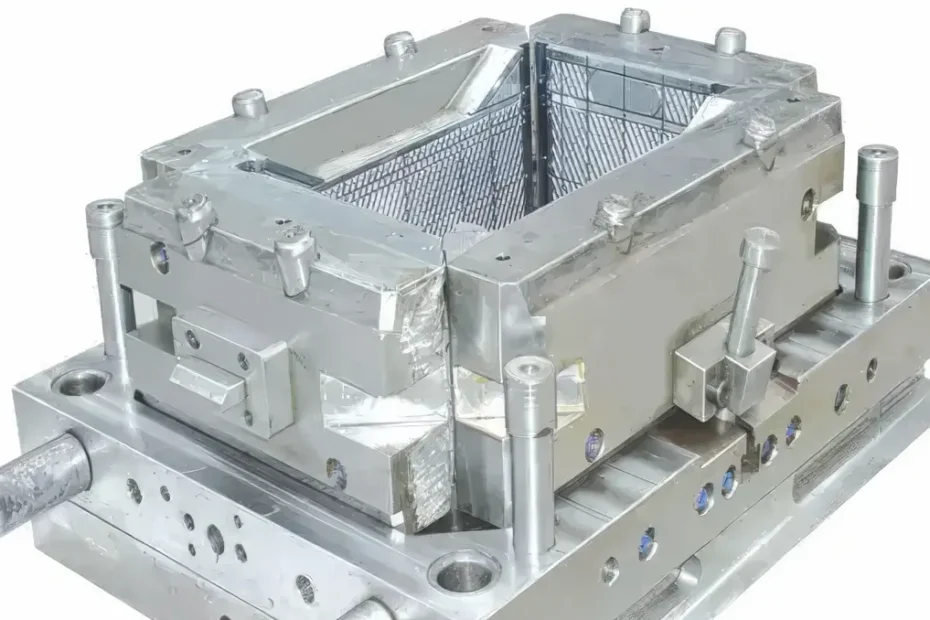
Aluminum injection molding is a popular manufacturing solution for producing plastic parts quickly and cost-effectively. By using aluminum molds instead of traditional steel tooling, manufacturers can reduce lead times, lower upfront costs, and bring products to market faster—without sacrificing part quality for short- to medium-volume production.
This article explains what aluminum injection molding is, how it works, its benefits, limitations, and common applications.
What Is Aluminum Injection Molding?
Aluminum injection molding refers to the use of aluminum molds in the plastic injection molding process. The molding process itself is the same as standard injection molding, but the mold material is aluminum rather than hardened steel.
Aluminum molds are typically CNC-machined from high-grade aluminum alloys and designed for prototype runs, bridge tooling, and low- to medium-volume production.
How Aluminum Injection Molding Works
The aluminum injection molding process follows the same steps as conventional injection molding:
- Plastic pellets are melted in the injection molding machine.
- Molten plastic is injected into an aluminum mold cavity.
- The material cools and solidifies quickly due to aluminum’s high thermal conductivity.
- The mold opens and ejects the finished part.
Because aluminum dissipates heat faster than steel, cycle times are often shorter.
Key Advantages of Aluminum Injection Molding
Faster Lead Times
Aluminum molds can be manufactured in weeks instead of months, making them ideal for rapid production.
Lower Tooling Cost
Aluminum tooling costs significantly less than steel, reducing upfront investment.
Shorter Cycle Times
Superior thermal conductivity allows faster cooling and quicker cycles.
Easy Design Modifications
Aluminum molds are easier to machine and modify, allowing quick design changes.
High-Quality Parts
For appropriate volumes, aluminum molds can produce parts with excellent surface finish and tight tolerances.
Limitations of Aluminum Injection Molding
Despite its benefits, aluminum injection molding has some limitations:
- Shorter mold life compared to steel
- Not ideal for very high-volume production
- Limited compatibility with abrasive, glass-filled materials
For millions of cycles or reinforced plastics, steel molds are typically a better choice.
Common Applications
Aluminum injection molding is widely used in:
- Product prototyping
- Bridge production tooling
- Consumer products
- Medical and laboratory devices
- Electronics housings
- Packaging components
It is especially valuable when speed and flexibility matter more than long mold life.
Aluminum vs Steel Injection Molds
Aluminum molds are best for:
- Low to medium production volumes
- Fast product launches
- Frequent design changes
Steel molds are better for:
- High-volume production
- Long-term programs
- Glass-filled or abrasive materials
Choosing the right tooling material depends on production volume, budget, and application requirements.
Conclusion
Aluminum injection molding service provided by AIM Plastic is a smart solution for manufacturers seeking fast turnaround, lower tooling costs, and reliable part quality. While it may not replace steel molds for high-volume production, aluminum tooling plays a critical role in prototyping, bridge manufacturing, and short-run injection molding.
With proper design and material selection, aluminum injection molding delivers speed, flexibility, and efficiency—helping businesses bring products to market faster.
