


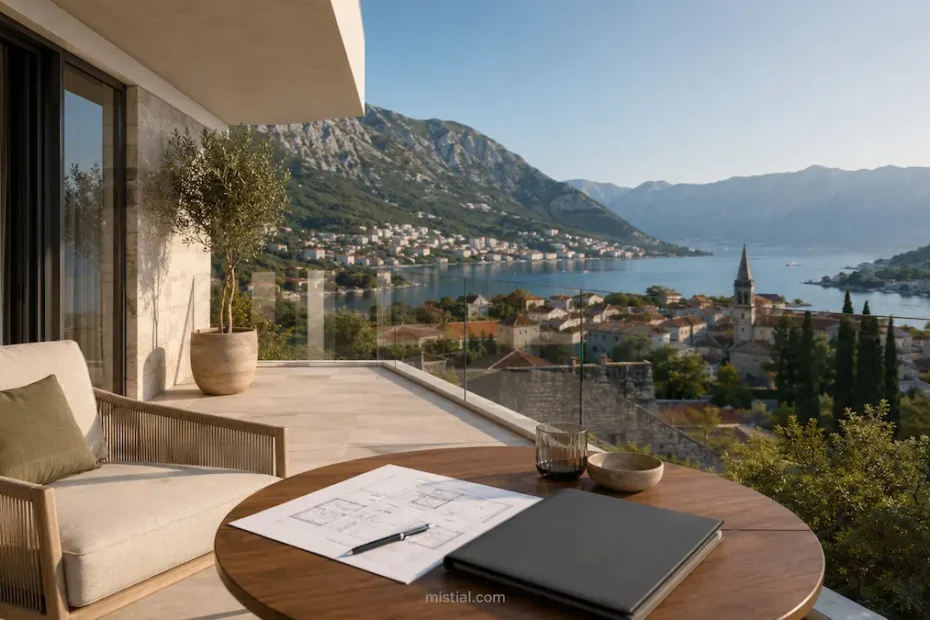
Montenegro makes a powerful first impression. Mountains descend into the Adriatic, historic towns sit beside modern marinas, and even an ordinary balcony can promise a different pace of life. Yet property should not be chosen like a holiday photograph. A home that feels irresistible during a short viewing may be inconvenient to live in or expensive to maintain.
The most useful first step is to define what the property must actually do. A buyer seeking a permanent home will judge schools, healthcare, parking and winter comfort differently from an investor focused on occupancy and resale. A local agency The Residence can help compare suitable locations and projects, but the final brief should begin with the buyer’s own priorities rather than a list of fashionable addresses.
Start with a purpose, not a city
Budva, Tivat, Kotor, Bar and the smaller coastal settlements each offer a distinct balance of atmosphere, infrastructure and price. The question is not which destination is “best” in general, but which one supports a specific scenario. Someone planning to spend only summer months in Montenegro may value proximity to the beach and easy property management. A family relocating for most of the year will care more about daily services, road access and the character of the neighbourhood outside the tourist season.
Before reviewing listings, write a short property brief covering:
- the main purpose: residence, holidays, long-term rental, seasonal rental or resale;
- the expected period of ownership;
- the acceptable total budget, including purchase-related and furnishing costs;
- the need for parking, lift access, storage, outdoor space or sea views;
- the amount of management and maintenance the owner is willing to handle.
This exercise prevents attractive but unsuitable options from dominating the search. Two apartments with similar prices may represent completely different levels of convenience and risk.
Visit the neighbourhood twice
A coastal district can change dramatically between morning and evening, summer and winter, dry weather and heavy rain. During a viewing, pay attention not only to the apartment but also to the route leading to it. A short distance on a map may involve a steep climb, a narrow road or traffic that becomes intense in high season. These details influence everyday comfort and can matter to future tenants or buyers.
Inspect the area at different times of day. Listen for nearby construction, nightlife and road noise. Check whether essential shops are within practical reach, whether parking remains available in the evening and how much sunlight the building receives. In hillside developments, confirm that the advertised view cannot easily be blocked by another permitted project.
Compare buildings, not just apartments
A polished interior can be changed; the quality of the building is much harder to correct. Examine common areas, drainage, façade condition, lifts, ventilation and access roads. In new developments, ask what is included in the stated price and specification. Air conditioning, fitted bathrooms, kitchen furniture, parking spaces and finishing materials may be packaged differently from one project to another.
For off-plan purchases, the payment schedule and completion terms deserve as much attention as the renderings. Buyers should understand the construction stage, the developer’s track record, the contractual description of the finished unit and the procedure if deadlines move. A lower entry price can be attractive, but it should be evaluated alongside construction and liquidity risks.
Let documents shape the decision
Legal and technical checks are not a formality to complete after falling in love with a property. They are part of choosing it. Ownership records, registered area, permitted use, existing burdens and the seller’s authority to complete the transaction should be reviewed before a commitment is made. For a new project, the status of the land, construction permissions and contractual responsibilities also require careful attention.
Independent legal review is especially important when the purchase involves a foreign buyer, remote signing, staged payments or plans connected with residence status. Rules and administrative practice can change, so current advice should be obtained for the buyer’s individual circumstances rather than inferred from an old article or another person’s transaction.
Calculate the life of the property
The advertised price is only the beginning of the financial picture. A realistic comparison includes furnishing, taxes and fees, annual maintenance, insurance, utilities, repairs and management. If rental income is part of the plan, allow for vacancy, cleaning, platform charges, seasonal demand and the cost of replacing furniture over time.
Be cautious with simple yield promises. A credible projection should explain the assumed nightly or monthly rate, expected occupancy, operating expenses and management model. It is better to test conservative, moderate and optimistic scenarios than to build the decision around one headline percentage.
A better viewing checklist
- Confirm the exact location and walk the surrounding streets.
- Check natural light, noise, ventilation and mobile connectivity.
- Inspect the building, common areas and access infrastructure.
- Request a complete cost breakdown and draft payment schedule.
- Review ownership and planning documents with qualified specialists.
- Compare the property against the original brief before negotiating.
The strongest purchase is rarely the apartment with the most dramatic photograph. It is the one whose location, documents, operating costs and everyday details continue to make sense after the initial emotion fades. Montenegro offers many compelling opportunities, but patience and a clear brief turn a beautiful possibility into a property that genuinely fits its owner’s plans.
