


- 1 Why Remote Workers Need More Than One Payment Method
- 2 A Realistic Scenario: Paying a Freelancer While Traveling
- 3 How Iron Wallet Can Fit Into Daily Digital Life
- 4 Splitting Costs on Business Trips
- 5 Paying for Digital Services and Online Tools
- 6 Sending Money to Friends and Family
- 7 What to Look for in a Crypto Wallet
- 8 Responsible Use Still Matters
- 9 Why Crypto Wallets Will Keep Growing
- 10 Conclusion
Remote work has changed not only where people work, but also how they manage money. A designer in Los Angeles can work with a client in London. A developer in Austin can travel through Europe while still receiving payments from a US company. A consultant can split costs with a business partner, pay for online tools, book tickets, and send money to friends without visiting a bank branch.
This new lifestyle needs payment tools that are fast, mobile, and simple. Traditional cards and bank accounts are still important, but they do not always solve every problem. Transfers may take time, international fees can be uncomfortable, and some services are easier to manage through digital assets. That is why many remote professionals are exploring an online wallet crypto solution such as Iron Wallet for everyday transfers, travel payments, and personal finance flexibility.
Why Remote Workers Need More Than One Payment Method
A remote worker’s financial life is rarely limited to one city, one currency, or one payment system. Even if a person lives in the United States, their work and lifestyle may be international. They may hire a freelancer abroad, pay for a SaaS subscription, send money to a friend, or cover a shared booking for a business trip.
In these situations, relying on one payment method can be limiting. A card may work perfectly for a hotel booking, but not for sending funds to someone quickly. A bank transfer may be safe, but slow. A payment app may be convenient locally, but less useful when another country or platform is involved. Crypto wallets add another option to the toolkit.
The point is not that crypto replaces everything. The point is that it gives users more control. When a person has access to several payment methods, they can choose what works best for each situation.
A Realistic Scenario: Paying a Freelancer While Traveling
Imagine a marketing consultant from Chicago who is spending a month in Lisbon. She works with clients in the US, manages campaigns online, and hires a freelance designer to prepare several ad creatives. The project is urgent, and the designer needs payment before starting the next batch of work.
A traditional international transfer might take time. A card payment may not be available. A third-party platform may charge extra fees or delay access to funds. In this case, using a crypto wallet can be a practical alternative. The consultant can open Iron Wallet, send the agreed amount, and keep the transaction simple.
This kind of situation is becoming more common. Remote teams often work across countries and time zones. Speed and convenience matter, especially when work depends on quick decisions and fast execution.
How Iron Wallet Can Fit Into Daily Digital Life
Iron Wallet is designed for people who want to manage crypto without turning every action into a complicated technical process. According to the brand, Iron Wallet has reached more than 3 million downloads in stores, which shows that many users are looking for simple and accessible crypto tools.
For remote workers, this kind of wallet can be useful in several everyday situations. It can help send money to a freelancer, return a share of travel expenses to a colleague, keep funds available during a trip, or receive a payment from someone who prefers using crypto.
The value is in convenience. A good wallet should feel easy to open, easy to understand, and easy to use when a payment needs to happen quickly. Remote work already has enough moving parts: meetings, deadlines, client messages, invoices, and travel plans. A wallet should make money movement easier, not harder.
Splitting Costs on Business Trips
Business trips are another area where crypto wallets can be surprisingly useful. When two or three people travel together, expenses are rarely divided perfectly in the moment. One person pays for train tickets. Another pays for a hotel deposit. Someone else covers a coworking space, taxi, or event registration.
At the end of the day, everyone needs to settle balances. In many cases, a simple crypto transfer can be faster than waiting for a bank transaction. A colleague can send their share directly through a wallet, and the person who paid upfront does not have to chase them for days.
This is especially convenient when people are not using the same banking system. For teams with international members, crypto can act as a shared payment layer that works outside the limits of one local app or bank.
Paying for Digital Services and Online Tools
Remote professionals often depend on digital services. They use project management platforms, design tools, hosting, VPN services, analytics tools, booking systems, and cloud software. In some cases, crypto payments may be available directly. In others, crypto can be used to send funds to the person who manages the subscription.
For example, if a small remote team shares several online tools, one person may pay for the monthly subscriptions. The rest of the team can send their part back using a wallet. This keeps shared expenses organized and avoids unnecessary delays.
Again, the practical benefit is not only about technology. It is about reducing friction. The fewer steps needed to settle a payment, the easier it is for people to focus on work.
Sending Money to Friends and Family
Crypto wallets are not only useful for work. They can also help in personal situations. A remote worker may need to send money to a friend who booked tickets, help a family member, or pay back a partner after a shared purchase.
For example, if your friend buys tickets for a weekend event in Miami, you can send your part through Iron Wallet. If your partner pays for a hotel reservation, you can return your share right away. These small transfers may seem ordinary, but they are exactly the kind of everyday use cases that make a wallet valuable.
People do not always need complex financial products. Often, they simply need a reliable way to send and receive funds when life is moving quickly.
What to Look for in a Crypto Wallet
Choosing a wallet should not be random. Users should think about how they plan to use it. A person who only stores assets may have different priorities than someone who sends payments regularly. For everyday use, several factors are especially important.
Simple interface
A wallet should be easy to navigate. Sending, receiving, and checking balances should not require advanced technical knowledge. Clear screens and understandable actions are important for users who want practical convenience.
Mobile access
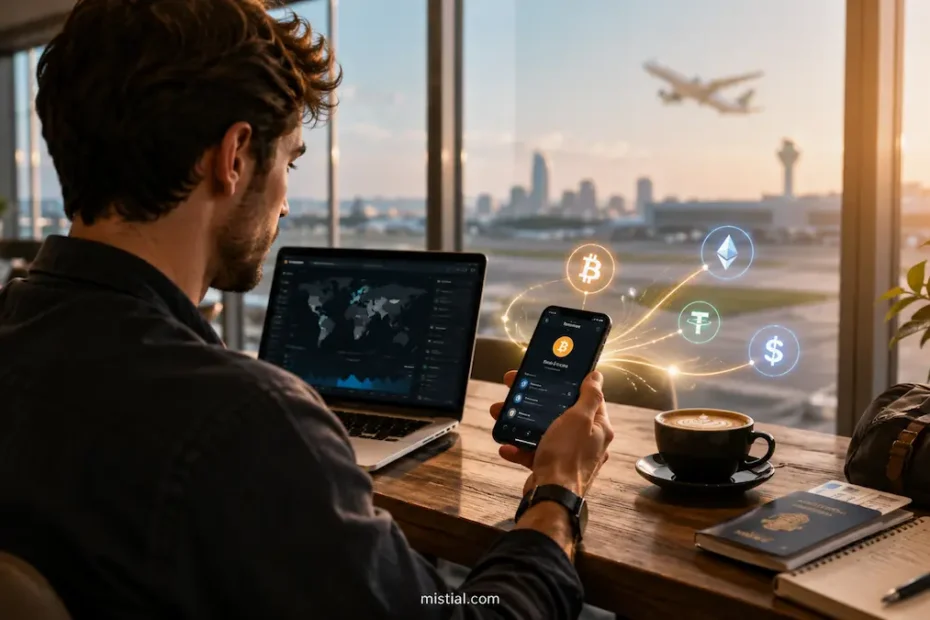
Most real-life payments happen from a phone. Whether someone is at an airport, in a hotel lobby, at a coworking space, or sitting in a cafe, mobile access matters. A wallet should be available when the user actually needs it.
Trust and adoption
People naturally feel more confident using tools that are established and widely downloaded. Large download numbers do not replace personal research, but they can signal that a product has real market presence and user demand.
Practical use cases
The best wallet is not always the one with the longest feature list. Sometimes the best option is the one that fits naturally into daily life: sending money, receiving payments, managing assets, and handling small financial tasks without stress.
Responsible Use Still Matters
Crypto payments can be fast, but users should stay careful. Before sending funds, it is important to check the wallet address, confirm the amount, and make sure both sides understand the payment terms. A rushed transaction can create problems, especially when money is being sent for work or shared expenses.
It is also important to remember that crypto prices can change. If a payment is connected to a specific service, booking, or invoice, both people should agree on the value and timing clearly. Good communication is just as important as the payment tool itself.
Why Crypto Wallets Will Keep Growing
The growth of remote work, digital services, and international collaboration makes flexible payments more important every year. People want financial tools that match their lifestyle. They want to work from anywhere, pay from anywhere, and send money without unnecessary barriers.
Crypto wallets fit into this trend because they are built for digital movement. They are mobile, fast, and useful for people who already live a large part of their life online. As more people become comfortable with crypto, wallets like Iron Wallet may become a regular part of personal and professional finance.
Conclusion
Remote workers need payment tools that are as flexible as their lifestyle. They may pay freelancers, split travel costs, cover digital services, or send money to friends while moving between cities and countries. Traditional finance still plays a major role, but crypto wallets add an extra layer of convenience.
Iron Wallet can be useful in these situations because it gives users a practical way to manage digital assets and make everyday transfers. With more than 3 million downloads in stores, the brand is already part of a growing market where people want simple, mobile, and accessible crypto tools.
For anyone working online, traveling often, or managing shared expenses, a crypto wallet is no longer just a technical product. It can become a practical companion for modern digital life.
