


- 1 Why Crypto Wallets Are Becoming Part of Everyday Life
- 2 Where Iron Wallet Fits Into This Scenario
- 3 A Practical Example: Paying for a Trip With Crypto
- 4 What Makes a Good Online Cryptocurrency Wallet?
- 5 Why Location-Based Searches Matter
- 6 Sending Money to Friends and Partners
- 7 Crypto Payments and the Future of Personal Finance
- 8 What Users Should Keep in Mind
- 9 Conclusion
Only a few years ago, paying for everyday services while traveling or working remotely often meant juggling bank cards, exchange rates, transfer delays, and uncomfortable conversations about who owed what. Today, digital payments have become a natural part of modern life, especially for people who book trips online, split expenses with friends, pay freelancers, or send money across borders.
For many users in the United States, crypto is no longer just something they read about in financial news. It is becoming a practical payment tool. A traveler can reserve accommodation, send funds to a partner, or cover a shared service without waiting for a traditional bank transfer. That is why people often compare different options before choosing the best crypto wallet US users can rely on for everyday payments, storage, and transfers.
Why Crypto Wallets Are Becoming Part of Everyday Life
The idea behind a crypto wallet is simple: it gives users a way to store, receive, and send digital assets. But the way people use wallets has changed a lot. Earlier, crypto wallets were mostly associated with traders and long-term investors. Now, they are also used by freelancers, travelers, online entrepreneurs, digital nomads, and people who simply want another convenient payment option.
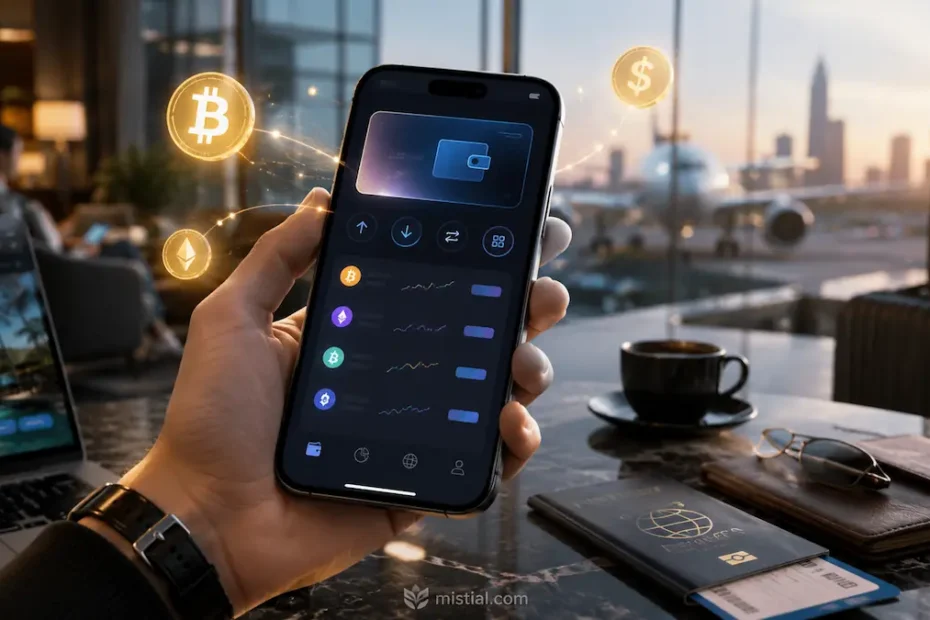
Imagine a common situation. You are planning a weekend trip with a friend. One person books the hotel, another buys event tickets, and someone else covers transportation. Instead of waiting several days for a bank transfer or dealing with international payment limitations, crypto can make the process faster and more flexible. A wallet becomes not just a place for assets, but a real tool for organizing shared expenses.
Where Iron Wallet Fits Into This Scenario
Iron Wallet is positioned as a simple and practical crypto wallet for people who want to manage digital assets without making the process feel complicated. According to the brand, the app has already reached more than 3 million downloads in stores, which shows that there is strong demand for crypto tools that combine accessibility with everyday usefulness.
The main advantage of a wallet like Iron Wallet is that it can be used in real-life situations, not only for holding coins. For example, a user can send crypto to a friend after booking concert tickets, pay a partner back for a shared service, or keep funds available while traveling. This makes the wallet useful for both planned payments and unexpected expenses.
A Practical Example: Paying for a Trip With Crypto
Let’s say you are organizing a short trip from New York to Miami with two friends. One person pays for the flight tickets, another books the apartment, and the third handles local transport and event reservations. In a traditional setup, everyone has to calculate balances, send money through different apps, and wait for payments to clear.
With a crypto wallet, this process can be more direct. After the apartment is booked, your friend sends you the amount in crypto. You use Iron Wallet to receive it, keep track of the transfer, and later send part of the funds to another person who paid for tickets. The payment chain becomes simpler, especially when several people are involved.
This does not mean crypto replaces every traditional payment method. Cards and bank transfers are still important. But crypto wallets add another useful layer, especially for people who already use digital assets and want more control over how they send and receive money.
What Makes a Good Online Cryptocurrency Wallet?
When choosing an online cryptocurrency wallet, most users pay attention to several practical factors. The first is ease of use. A wallet should not feel confusing every time you open it. Clear navigation, simple sending and receiving functions, and understandable balance information are important for everyday use.
The second factor is availability. People want access to their crypto when they need it, whether they are at home, at work, or traveling. Mobile access is especially important because most small payments and personal transfers happen from a phone.
The third factor is trust. If a wallet is going to be used for storing funds or sending money to other people, users want to know that the product is established, actively maintained, and widely used. This is one reason why download numbers, brand visibility, and user experience matter when people compare wallet options.
Why Location-Based Searches Matter
The Iron Wallet team specifically mentions interest in keywords connected with a country or city, and this makes sense from a marketing perspective. A person searching for a crypto wallet in the United States may have different priorities from someone searching in Europe, Asia, or Latin America.
Users in the US often look for convenience, mobile access, and practical use cases: paying for services, sending money to friends, managing assets while traveling, or using crypto alongside traditional finance tools. That is why phrases such as “best wallet for crypto,” “online cryptocurrency wallet,” and “best crypto wallets” are not just abstract keywords. They reflect real user intent.
Sending Money to Friends and Partners
One of the most natural use cases for a crypto wallet is sending money to someone you know. It could be a friend who paid for dinner, a partner who covered a booking, or a freelancer who completed a small project. Instead of treating crypto as something distant and technical, people increasingly use it as a flexible transfer method.
For example, if your girlfriend books a weekend spa service and you agree to cover part of the cost, you can send her crypto through Iron Wallet. If your business partner pays for a software subscription that both of you use, you can send your share directly. These are ordinary situations where a simple wallet experience matters much more than complex trading features.
Crypto Payments and the Future of Personal Finance
The biggest change in personal finance is not only technological. It is behavioral. People want more choice. They want to decide whether to use a bank card, a payment app, a wire transfer, or crypto depending on the situation. A crypto wallet gives users one more option in that personal finance toolkit.
This is especially valuable for people who live online: remote workers, creators, marketers, developers, consultants, and travelers. Their money movement is often international, mobile, and fast. They need tools that match that rhythm. In this context, an online wallet crypto solution becomes part of a broader digital lifestyle.
What Users Should Keep in Mind
Even when a wallet is convenient, users should approach crypto responsibly. It is important to understand what asset is being sent, double-check wallet addresses, keep access credentials safe, and avoid sending funds in a hurry. Digital payments can be fast, but speed should not replace attention.
Users should also remember that crypto values can change. If the payment is for a specific service, trip, or shared expense, both sides should clearly agree on the amount and timing. This helps avoid confusion and keeps personal payments simple.
Conclusion
Crypto wallets are becoming more practical because people are using them for real everyday needs: paying for services, sharing travel expenses, sending money to friends, and managing digital assets from a phone. Iron Wallet fits into this trend by offering a recognizable wallet brand with millions of downloads and a focus on simple crypto management.
For users in the United States, the value of a crypto wallet is not only in storing assets. It is in having a flexible payment option when life moves quickly: booking tickets, splitting costs, helping a friend, or sending funds to a partner. As digital payments continue to evolve, wallets like Iron Wallet will likely become even more familiar in everyday financial routines.
