


- 1 Why Temperature-Based Wellness Rituals Feel So Engaging
- 2 Choosing the Right Space at Home
- 3 Designing a Calm and Functional Atmosphere
- 4 Building a Beginner-Friendly Routine
- 5 Common Mistakes That Reduce the Benefits of the Experience
- 6 Making the Ritual Sustainable
- 7 A Home Wellness Space Should Serve Real Life
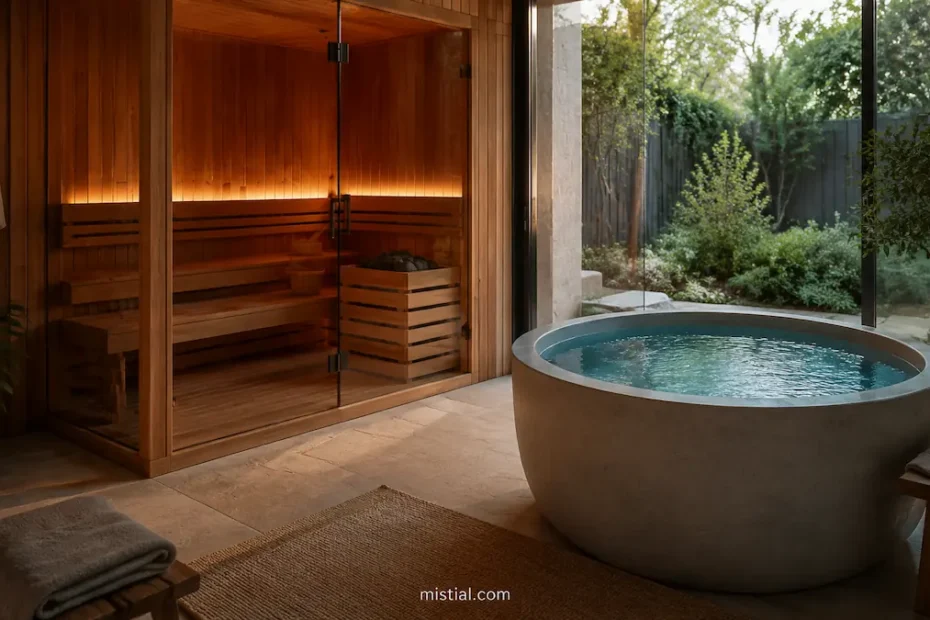
A home wellness routine does not need to involve complicated equipment or hours of free time. Combining sauna heat with a cold plunge can turn a small corner of the home into a space for relaxation, reflection, and intentional recovery. Those exploring Contrast Bathing can begin by understanding how temperature, timing, environment, and personal comfort work together to shape the experience.
The appeal of alternating heat and cold goes beyond the dramatic sensation of moving between two extremes. It creates a clear boundary between everyday responsibilities and restorative personal time. The ritual encourages people to slow down, notice how they feel, and focus on breathing rather than screens, messages, or unfinished tasks.
Why Temperature-Based Wellness Rituals Feel So Engaging
Modern routines often keep the mind busy while the body remains relatively inactive. A sauna and cold plunge session reverses that pattern. Temperature becomes the main sensory experience, making it easier to stay present without needing an app, guided class, or elaborate set of instructions.
Heat generally creates a feeling of softness and gradual relaxation. Muscles may feel less tense, breathing becomes more deliberate, and the quiet environment offers an opportunity to decompress. Cold exposure delivers a very different sensation. It demands attention and encourages controlled breathing, especially during the first moments of immersion.
Moving between these environments can make a wellness session feel structured and purposeful. However, the routine should never become a contest. Longer sessions and lower water temperatures are not automatically better. Consistency, comfort, and good judgment matter far more than intensity.
Choosing the Right Space at Home
A useful wellness area should be convenient enough to use regularly. If reaching the sauna or plunge requires moving equipment, clearing storage, or preparing the area for half an hour, enthusiasm may disappear quickly. The best setup is one that fits naturally into the home and daily schedule.
Before purchasing equipment, consider the practical requirements:
- Ventilation: Heat and moisture need a safe way to leave the room or enclosed area.
- Drainage: Water around a plunge, shower, or outdoor tub should drain without damaging floors or foundations.
- Electrical capacity: Sauna heaters and temperature-control systems may require dedicated circuits installed by a qualified electrician.
- Water-resistant surfaces: Floors and nearby walls should tolerate humidity, splashes, and repeated cleaning.
- Privacy: A calm, sheltered location makes it easier to relax and maintain the habit.
- Safe movement: The route between hot and cold areas should be short, well lit, and free from slippery obstacles.
A bathroom, insulated garden room, covered patio, basement, or converted outbuilding may work well, depending on the local climate and available utilities. Renters or people with limited space can consider compact alternatives, such as an infrared cabin paired with a cold shower or a portable plunge tub.
Designing a Calm and Functional Atmosphere
The visual design of a wellness space influences how often it gets used. A cluttered utility area may contain excellent equipment but still feel uninviting. Natural materials, warm lighting, simple storage, and easy-to-clean surfaces can make the experience feel more intentional.
Useful additions may include:
- wall hooks for robes and towels;
- a wooden bench or stable seat for resting;
- soft, indirect lighting rather than bright overhead fixtures;
- a shelf for drinking water;
- a non-slip floor mat;
- a visible timer and reliable thermometer;
- a covered container for clean towels;
- simple plants suited to the room’s temperature and humidity.
Music can be pleasant, but silence is often one of the most valuable features of the space. Leaving phones outside the area helps transform an ordinary temperature session into a genuine break from digital stimulation.
Building a Beginner-Friendly Routine
A first session should be deliberately moderate. The aim is to learn how the body responds, not to copy the routine of an athlete, influencer, or experienced sauna user. Individual tolerance varies according to health, sleep, hydration, temperature, and previous exposure.
A simple introductory routine might look like this:
- Drink water beforehand and avoid beginning the session when dehydrated.
- Spend a comfortable period in the sauna without waiting for severe discomfort.
- Leave the heat slowly and pause briefly before entering cold water.
- Use cool rather than extremely cold water during early sessions.
- Focus on steady breathing instead of trying to suppress every reaction.
- Exit the water if breathing remains uncontrolled or discomfort becomes intense.
- Rest at a neutral temperature before deciding whether to repeat the cycle.
One or two gentle cycles may be enough for a satisfying session. Over time, the routine can be adjusted based on experience, but progression should remain gradual. A written note about temperatures, approximate duration, sleep, and general comfort can help identify what feels restorative rather than exhausting.
Common Mistakes That Reduce the Benefits of the Experience
Many problems begin when wellness becomes performance. Social media can make extreme temperatures and long sessions look like desirable goals, even though they may be unsuitable for beginners. An effective home practice should support everyday life rather than leave someone drained for the rest of the day.
Common mistakes include:
- starting with water that is unnecessarily cold;
- staying in the sauna despite dizziness, nausea, or unusual weakness;
- using alcohol before or during the session;
- plunging alone during early attempts without telling anyone nearby;
- neglecting cleaning, filtration, or water-quality maintenance;
- placing electrical equipment too close to wet areas;
- treating discomfort as proof that the routine is working;
- copying another person’s timing without considering personal tolerance.
Temperature exposure is a form of physical stress, even when it feels enjoyable. People with cardiovascular conditions, blood-pressure concerns, circulation problems, pregnancy, or other relevant medical issues should speak with a qualified healthcare professional before beginning. Anyone who feels faint, confused, short of breath, or unwell should stop immediately.
Making the Ritual Sustainable
The most successful wellness habits are usually the easiest to repeat. Preparing towels in advance, keeping the area clean, and choosing a regular time can remove small barriers. Some people prefer a quiet morning session, while others use the ritual to create a transition between work and evening rest.
It also helps to decide what the session is meant to provide. One day it may be a peaceful break after a demanding week. On another, it may simply be ten minutes without notifications. The routine does not have to look identical every time to remain valuable.
Seasonal adjustments can keep the experience comfortable. Outdoor plunges may become much colder in winter, while summer heat can change how long the sauna feels pleasant. Rather than following rigid numbers throughout the year, users can adapt the session to current conditions and their own response.
A Home Wellness Space Should Serve Real Life
A sauna and cold plunge area can become an appealing feature of the home, but its real value comes from regular, thoughtful use. Good drainage, safe electrical work, accessible storage, and a comfortable atmosphere are more important than creating a room that merely looks impressive.
By starting gently and paying attention to personal limits, homeowners can develop a temperature-based ritual that feels refreshing, calming, and practical. The strongest routine is not the most extreme one. It is the one that remains safe, enjoyable, and easy enough to return to week after week.
