


Imagine a pleasant summer afternoon spent in the great outdoors, enjoying a hike through a picturesque forest or basking in the warmth of the sun while strolling in a lush park. Nature’s wonders offer us numerous opportunities for relaxation and rejuvenation. However, amidst the beauty lies a hidden danger that can turn such idyllic scenes into a health nightmare: Lyme disease. This mysterious and stealthy intruder has been on the rise, prompting researchers and healthcare professionals to unravel its complexities and raise awareness about prevention, diagnosis, and treatment.
The Culprit: Borrelia Burgdorferi
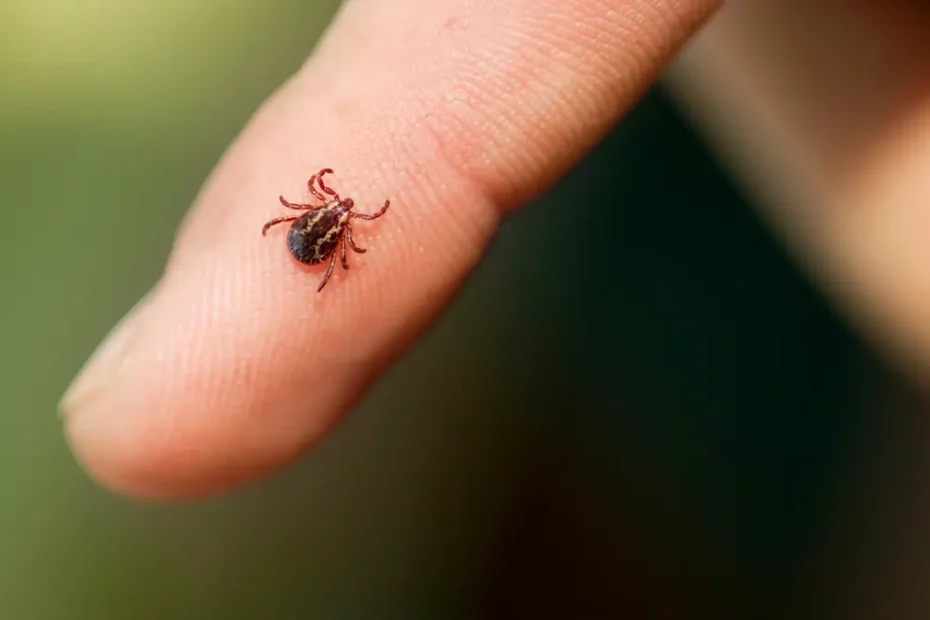
Lyme disease, also known as Lyme borreliosis, is a tick-borne infectious disease caused primarily by the bacterium Borrelia burgdorferi and, to a lesser extent, by Borrelia mayonii and Borrelia afzelii. The disease is transmitted to humans through the bite of infected black-legged ticks, commonly referred to as deer ticks. These ticks are prevalent in wooded and grassy areas, as well as in gardens and parks where they latch onto humans and animals as they pass by.
The Clinical Maze: Signs and Symptoms
Lyme disease presents a perplexing clinical picture, often mimicking other conditions and making diagnosis a challenging task. The disease manifests in stages, each with distinct symptoms. The early stage, known as localized or early localized Lyme disease, typically begins within 3 to 30 days after the tick bite. The hallmark sign is the appearance of a red, circular rash with a characteristic bull’s-eye pattern, medically termed erythema migrans. This rash is accompanied by flu-like symptoms such as fever, chills, fatigue, headache, and muscle and joint aches.
If left untreated, the infection progresses to the second stage, referred to as early disseminated Lyme disease. This stage can develop days to weeks after the initial infection and is characterized by more pronounced flu-like symptoms, along with the involvement of multiple organ systems. Neurological symptoms such as numbness, tingling, and facial palsy, as well as cardiac symptoms like palpitations and chest pain, may surface.
In the absence of effective treatment, the disease can enter the late disseminated stage. This phase may appear months to years after the initial infection and is marked by severe and persistent symptoms. Joint pain and swelling, particularly in large joints like the knees, as well as neurological symptoms like memory problems and difficulty concentrating, are common features. Skin manifestations, such as acrodermatitis chronica atrophicans, may also occur.
The Diagnostic Dilemma
Due to the complexity of its clinical presentation, Lyme disease poses a significant diagnostic challenge. The reliance on symptoms alone can be misleading, as they often overlap with other conditions like viral infections and autoimmune disorders. Additionally, the bull’s-eye rash, though distinctive, is absent in a substantial percentage of cases.
Laboratory testing plays a crucial role in confirming Lyme disease. The standard method involves serological tests that detect antibodies produced in response to the infection. The two main types of serological tests are the enzyme immunoassay (EIA) and the Western blot. However, false negatives can occur, especially in the early stages of the disease when antibody levels might not yet be detectable. Moreover, false positives can also arise due to cross-reactivity with antibodies from other infections.
Treatment Approaches
Early diagnosis and prompt treatment are crucial for preventing the progression of Lyme disease. The primary treatment for Lyme disease is antibiotics, typically doxycycline for adults and amoxicillin for children. These antibiotics are effective in eradicating the bacteria in most cases if administered promptly. In cases where the disease has progressed to the later stages or is causing severe symptoms, intravenous antibiotics may be necessary.
It’s important to note that a small percentage of individuals continue to experience symptoms even after antibiotic treatment, a condition known as post-treatment Lyme disease syndrome (PTLDS). The exact cause of PTLDS is still under investigation, and its management involves addressing the lingering symptoms through supportive care, symptom-specific treatments, and ongoing research to better understand its underlying mechanisms.
Prevention: Shielding Against the Stealthy Invader
The age-old saying “prevention is better than cure” rings particularly true when it comes to Lyme disease. Taking measures to prevent tick bites is the most effective strategy to avoid the infection. Here are some key steps to consider:
- Avoid Tick-Infested Areas: When possible, steer clear of areas with tall grasses, shrubs, and leaf litter. If you’re in such environments, try to stay in the center of trails and paths.
- Use Repellents: Apply EPA-approved insect repellents containing DEET, picaridin, or oil of lemon eucalyptus to exposed skin and clothing. Follow the instructions on the product label.
- Dress Appropriately: Wear light-colored clothing to spot ticks easily. Tuck your pants into your socks and wear long sleeves to minimize skin exposure. Consider wearing clothing treated with permethrin, an insect repellent that can be sprayed on clothing or purchased pre-treated.
- Perform Regular Tick Checks: After spending time outdoors, thoroughly check your body and clothing for ticks. Pay close attention to areas such as the scalp, armpits, groin, and behind the ears.
- Shower After Being Outdoors: Showering within two hours of coming indoors can help wash off unattached ticks and provide an opportunity to do a thorough tick check.
- Examine Pets: Ticks can hitch a ride on pets and then attach to humans. Regularly check your pets for ticks and use tick-preventive products as recommended by your veterinarian.
- Create a Tick-Free Yard: Keep your yard well-maintained by trimming grass and vegetation. Clear leaf litter and create a barrier between wooded areas and your yard using gravel or wood chips.
The Expanding Reach: Climate Change and Lyme Disease
Lyme disease was once considered geographically limited to certain regions, particularly the northeastern United States. However, the disease has been steadily spreading to new areas, including parts of Canada, Europe, and Asia. One of the driving factors behind this expansion is climate change.
Warmer temperatures and changes in precipitation patterns are altering the distribution of ticks and their host animals. Ticks thrive in humid environments, and warmer temperatures allow them to survive and reproduce more effectively. Additionally, milder winters mean that ticks are active for longer periods, increasing the risk of exposure.
The Call for Public Awareness
As the prevalence of Lyme disease continues to rise, the importance of public awareness cannot be overstated. Knowing the risk factors, understanding the signs and symptoms, and adopting preventive measures are essential steps in minimizing the impact of this stealthy intruder. Communities, healthcare providers, and policymakers must work collaboratively to promote education, research, and access to accurate diagnostic tools and effective treatments.
In conclusion, Lyme disease remains a complex and enigmatic challenge in the realm of infectious diseases. Its ability to mimic other conditions, coupled with the intricate interplay of its causative agent and its tick vector, makes it a formidable adversary. By arming ourselves with knowledge and taking proactive steps to prevent tick bites, we can reduce our vulnerability to this stealthy intruder and enjoy the beauty of the outdoors without compromising our health.
