


- 1 Start with a Clear Understanding of Your Space
- 2 Define an Interior Style That Reflects Your Personality
- 3 Use Colour to Change the Atmosphere of Your Home
- 4 Improve the Layout and Make Better Use of Available Space
- 5 Choose Materials That Combine Appearance and Durability
- 6 Plan Lighting as Part of the Overall Design
- 7 Visualise Your New Interior Before Making Major Purchases
- 8 Set a Realistic Budget and Prioritise Improvements
- 9 Create a Home That Works for Your Everyday Life
Transforming your home does not necessarily require a traditional interior design studio or numerous face-to-face consultations. With the development of digital design services, homeowners can now work with interior professionals remotely, explore different layouts, and create a coherent design concept before purchasing furniture or starting renovation work. Online interior design makes the process more flexible while providing access to professional planning, creative ideas, and practical solutions tailored to individual lifestyles.
Whether you want to refresh a single room, redesign an entire apartment, or prepare a property for renovation, a well-developed interior concept can help you make better decisions and avoid unnecessary expenses.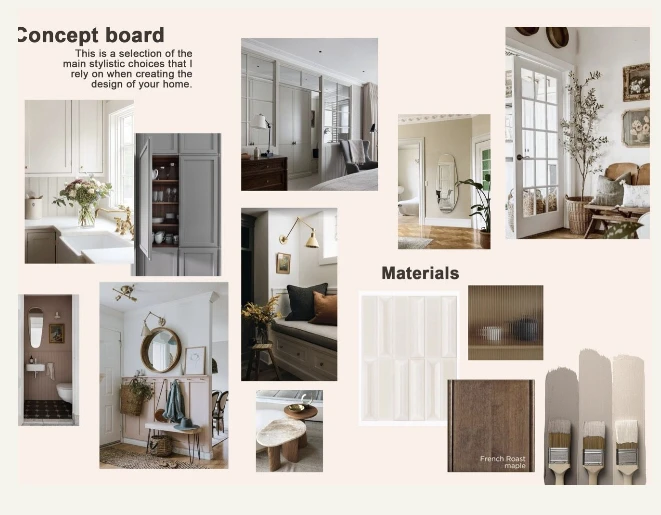
Start with a Clear Understanding of Your Space
Every successful interior transformation begins with an assessment of the existing space. Before choosing furniture, colours, or decorative accessories, consider how each room is currently used and what could be improved.
Perhaps your living room feels overcrowded, your kitchen lacks sufficient storage, or your bedroom does not provide the relaxing atmosphere you need. Identifying these issues helps establish clear priorities for the project.
Start by measuring the rooms, noting the positions of windows and doors, and documenting fixed architectural elements such as radiators, structural columns, and built-in installations. Take photographs from several angles to provide a realistic overview of the property.
These details are particularly important when working with an online interior designer. Accurate measurements and photographs allow the professional to understand the existing layout and develop proposals that reflect the actual dimensions of your home.
Define an Interior Style That Reflects Your Personality
One of the most important decisions in any interior design project is choosing the right aesthetic direction. A beautiful interior should not simply reproduce images from design magazines. It should reflect the preferences, habits, and practical requirements of the people who live there.
Contemporary interiors often combine clean architectural lines with natural materials and comfortable furniture. Scandinavian design focuses on simplicity, functionality, and light colours, while minimalist interiors emphasise visual clarity and carefully selected objects.
You can also combine elements from different styles. For example, modern furniture can work particularly well with vintage accessories, natural wooden surfaces, and traditional decorative details.
Creating a mood board is an effective way to organise your inspiration. Collect images of furniture, lighting, colours, textures, and room layouts that appeal to you. Looking at these references together can help identify recurring preferences and establish a consistent design direction.
Use Colour to Change the Atmosphere of Your Home
Colour has a significant influence on how a room feels and how its proportions are perceived. A carefully selected palette can make a compact apartment appear more spacious, introduce warmth into a large living area, or create a relaxing atmosphere in a bedroom.
Neutral shades such as warm white, beige, sand, and soft grey provide a versatile foundation for contemporary interiors. They work well with different materials and allow furniture and decorative elements to stand out.
However, neutral interiors do not have to look plain. Deep green, terracotta, navy blue, and chocolate brown can introduce depth and personality when used selectively.
It is also important to consider natural light. A colour that looks warm in a brightly illuminated showroom may appear cooler in a north-facing room. Testing paint samples directly on the walls helps you understand how different shades behave throughout the day.
For a more balanced result, consider how the colours of adjoining rooms relate to one another. Repeating selected tones across the property creates visual continuity without making every room identical.
Improve the Layout and Make Better Use of Available Space
A well-designed home is not necessarily the one with the most expensive furniture. The arrangement of existing elements often has a greater impact on comfort and functionality.
In an open-plan living area, for example, the kitchen, dining space, and lounge should feel connected while retaining their individual purposes. A rug can define the seating area, pendant lighting can distinguish the dining zone, and a carefully positioned shelving unit can provide subtle separation without blocking natural light.
Smaller properties require even more attention to layout. Multifunctional furniture can help make limited floor space work harder. A sofa bed, extendable dining table, storage ottoman, or wall-mounted desk may provide several functions without overcrowding the room.
Vertical storage is another effective solution. Tall cabinets, floating shelves, and built-in wardrobes allow you to use wall space efficiently while keeping floors clear.
Before purchasing anything, check the dimensions of each item and make sure that doors, drawers, and walkways remain accessible.
Choose Materials That Combine Appearance and Durability
Materials influence the atmosphere, maintenance requirements, and long-term performance of an interior. Choosing them solely for their appearance can lead to practical problems, especially in kitchens, bathrooms, and frequently used living areas.
Natural wood adds warmth and texture to contemporary interiors. Stone and ceramic surfaces provide a more architectural appearance and can be particularly suitable for kitchens and bathrooms. Glass helps maintain a sense of openness, while metal details introduce contrast and definition.
Textiles are equally important. Linen curtains, wool rugs, cotton upholstery, and textured cushions make a room feel more comfortable and visually interesting.
When selecting materials, consider how frequently the surfaces will be used, how easily they can be cleaned, and whether they are appropriate for the conditions of each room.
A carefully balanced combination of materials can create a sophisticated interior without relying on excessive decoration.
Plan Lighting as Part of the Overall Design
Lighting is often treated as a finishing detail, but it should be considered from the beginning of the design process. The position and type of light sources influence how colours appear, how comfortable a room feels, and how effectively different areas can be used.
A layered lighting scheme usually includes three main components.
Ambient lighting provides general illumination throughout the room. Task lighting supports specific activities such as cooking, reading, or working. Accent lighting highlights architectural details, artwork, or decorative features.
For example, a living room might combine a central ceiling light with a floor lamp beside the sofa and indirect lighting near a shelving unit. In a bedroom, bedside wall lights can free up valuable surface space while creating a softer atmosphere.
Dimmable fixtures offer additional flexibility, allowing the same room to accommodate different activities and moods.
Visualise Your New Interior Before Making Major Purchases
One of the most useful aspects of online interior design is the ability to explore ideas before committing to expensive decisions.
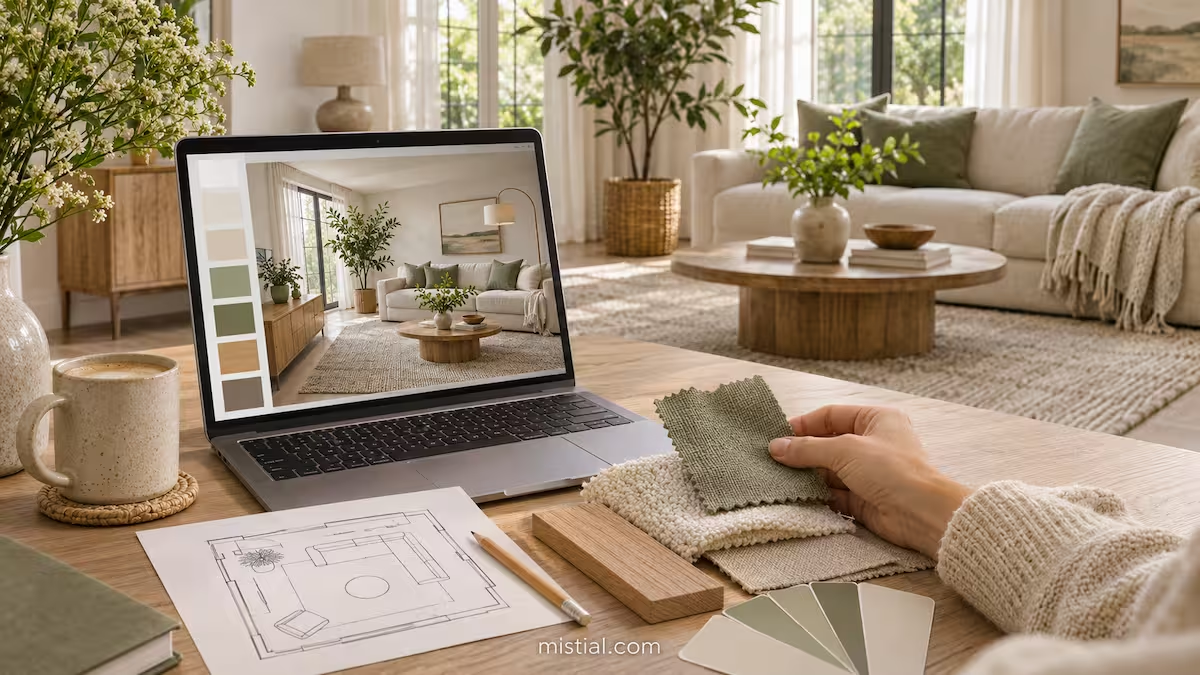
Digital floor plans help compare furniture arrangements, while 3D visualisations provide a clearer impression of how colours, materials, and proportions will work together. This is particularly valuable when planning a full apartment renovation or making significant changes to an open-plan living space.
Instead of relying entirely on imagination, homeowners can evaluate different proposals and identify potential problems before purchasing materials or furniture.
Working with a professional online interior design service can also help translate personal preferences into a structured design concept. Depending on the selected service, the process may include space planning, visual proposals, furniture recommendations, and material suggestions.
This approach is useful for homeowners who want professional design guidance while maintaining flexibility over the timing and implementation of their project.
Set a Realistic Budget and Prioritise Improvements
A home transformation does not have to happen all at once. In many cases, dividing the project into manageable stages is a more practical approach.
Begin by identifying the changes that will have the greatest impact on everyday comfort. Improving an inefficient kitchen layout, replacing inadequate lighting, or creating additional storage may be more valuable than purchasing decorative accessories.
Divide the available budget into several categories:
- Essential repairs and renovation work.
- Flooring, wall finishes, and paint.
- Furniture and storage solutions.
- Lighting and electrical components.
- Decorative accessories and textiles.
It is also sensible to reserve part of the budget for unexpected costs, particularly when the project involves construction or technical installations.
A clear design plan makes it easier to compare alternatives and decide where additional investment is justified.
Create a Home That Works for Your Everyday Life
The most successful interiors are not necessarily the most fashionable or visually elaborate. They are spaces that support everyday routines while expressing the personality of their occupants.
A family home may require durable finishes, flexible storage, and clearly organised common areas. A compact city apartment may benefit from multifunctional furniture and a carefully planned lighting scheme. Someone working remotely may need a comfortable workspace that integrates naturally into the existing interior.
Online interior design makes it easier to consider these requirements together rather than treating each room as an isolated decorating project.
By combining accurate space planning, suitable materials, thoughtful lighting, and a consistent aesthetic direction, you can transform your home into a more functional and inviting environment without relying on guesswork or unnecessary purchases.
