


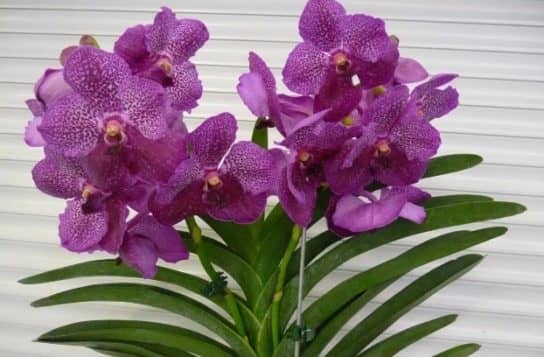
Orchids, or orchids subfamily, are herbaceous plants of the family of the same name, which includes more than two hundred genera, comprising about 4 thousand species.
Description
The classification of the family is based on the formation of the accrete stamen and pistil (the so-called column), and the nature of the location of the anther and the upper part of the anther – the stigma.
Most orchid species grow in the tropical zone – and here they receive ideal conditions for development. And a characteristic feature of the distribution of orchids is just the diversity and originality of the flora of this family on different continents.
Of course, in temperate latitudes, orchids are poorer than in the tropics. For example, in temperate latitudes, only 75 genera and 900 species are represented – only 10% of the total. In southern temperate climates there are even fewer such plants. On the territory of our country, only 419 species of the orchid family grow.
Orchids in the temperate zone are represented by perennial ground-type grasses with underground (which is important for this family) rhizomes (tubers), but the tropics delight with epiphytic orchids.
Orchid plant species
Wanda
Dendrobium
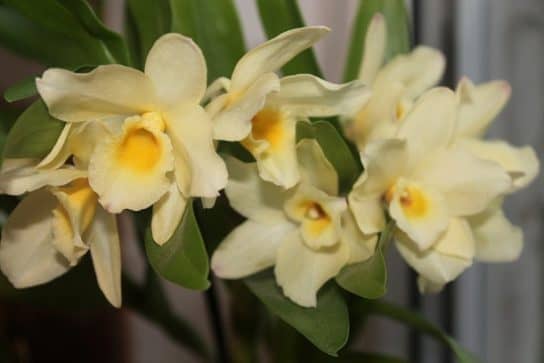
Cambria
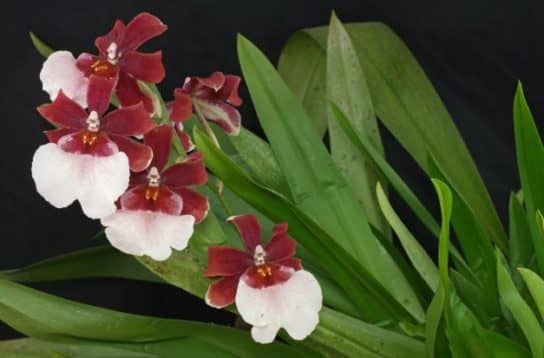
Cuttley
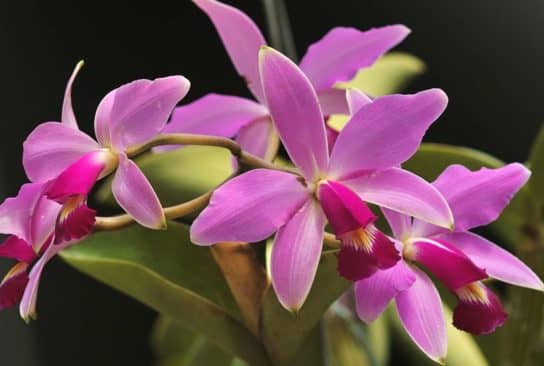
Ludizia
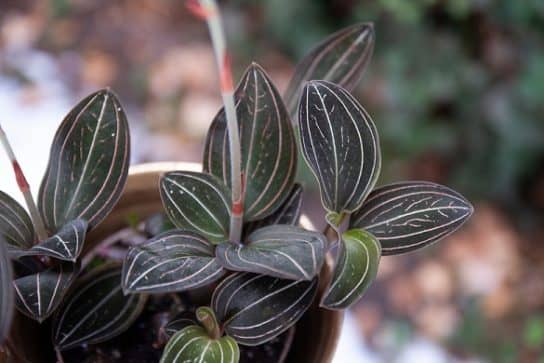
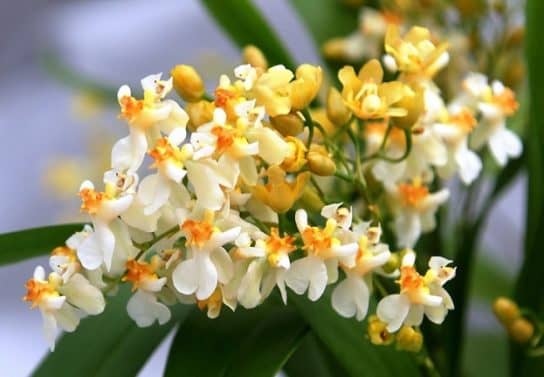
Oncidium
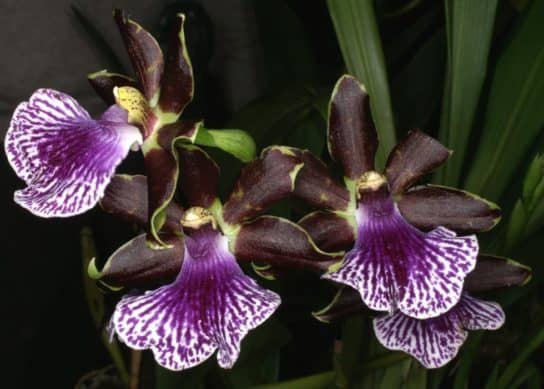
Zigopetalum
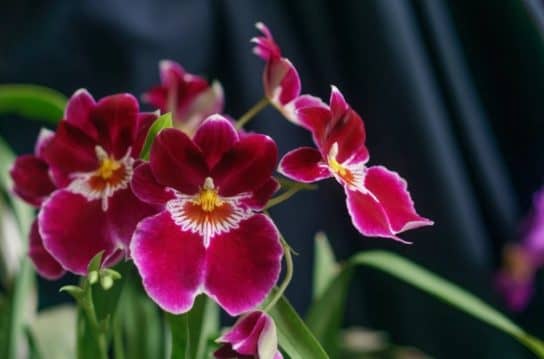
Miltonia
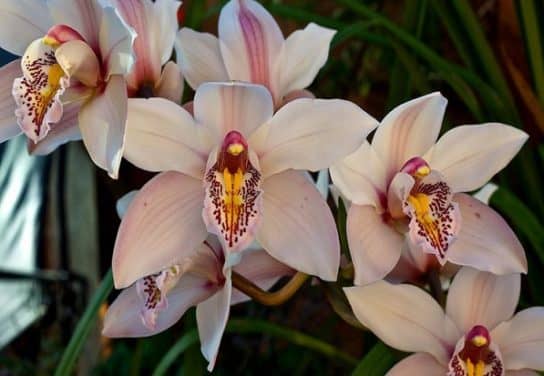
Cymbidium
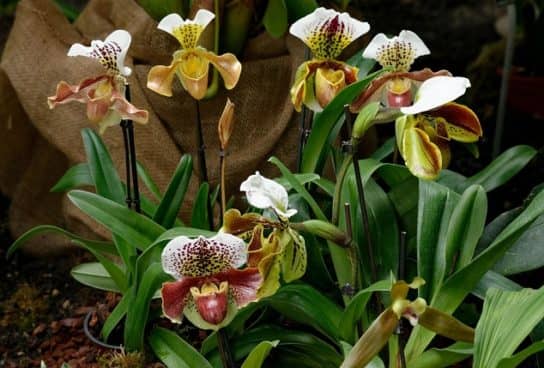
Pafiopedilum
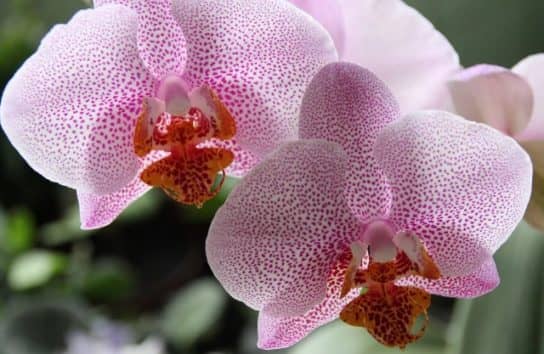
Phalenopsis
Orchid Blue

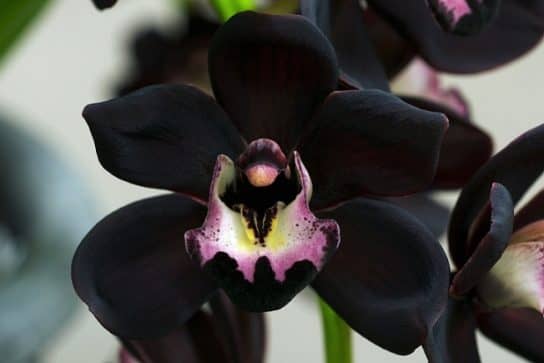
Orchid Black
Orchid Yellow
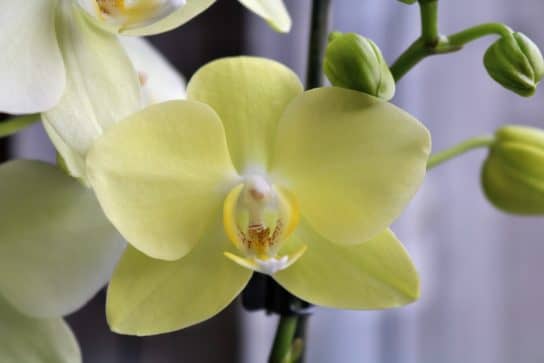
Dracula
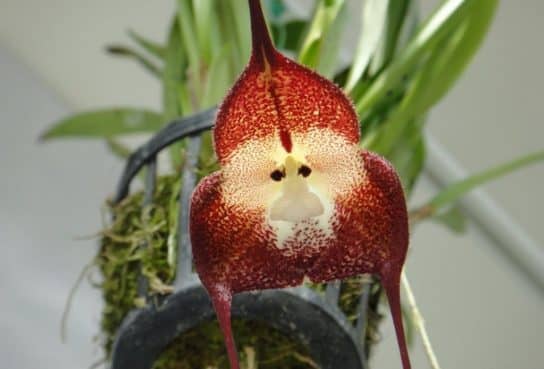
Bulbophillum
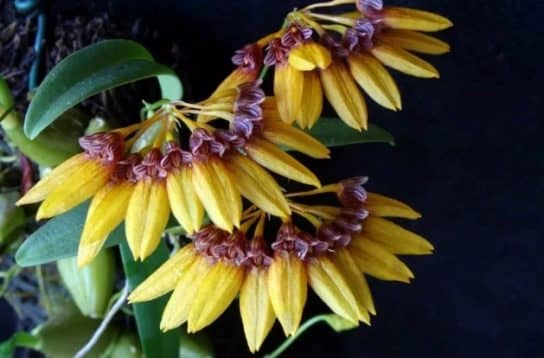
Aganizia
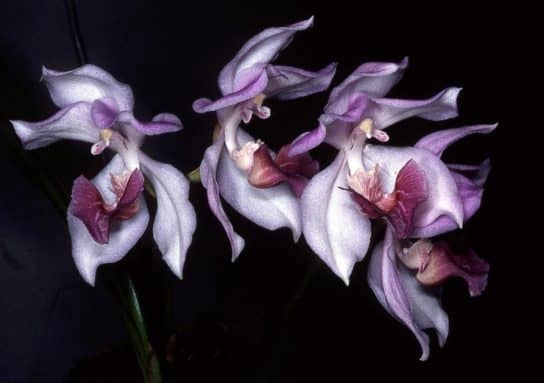
Angrekum
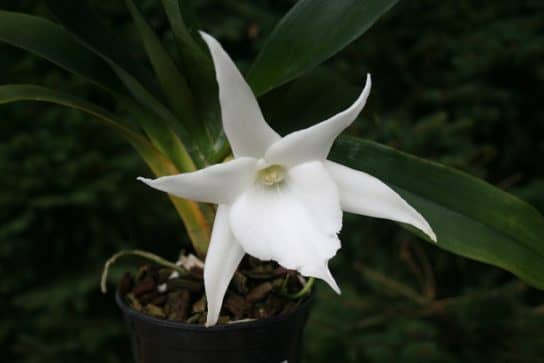
Beallara
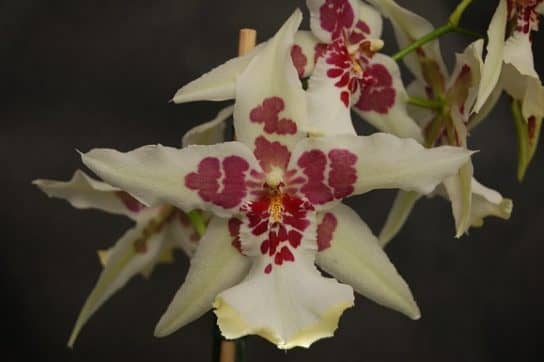
Bifrenaria
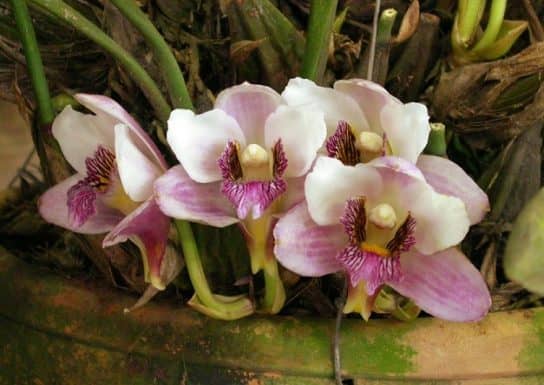
Brassavola
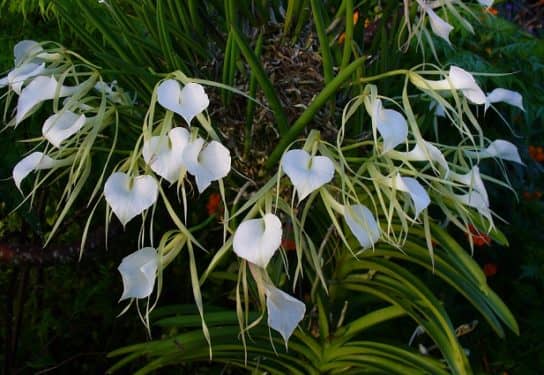
Brassia
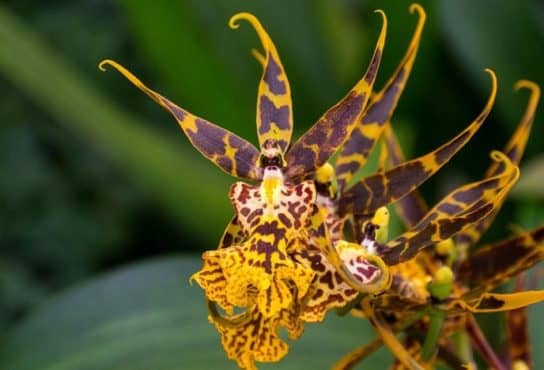
Grammatophyllum
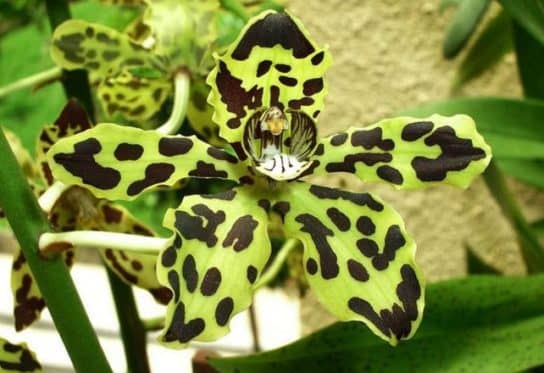
Cassette
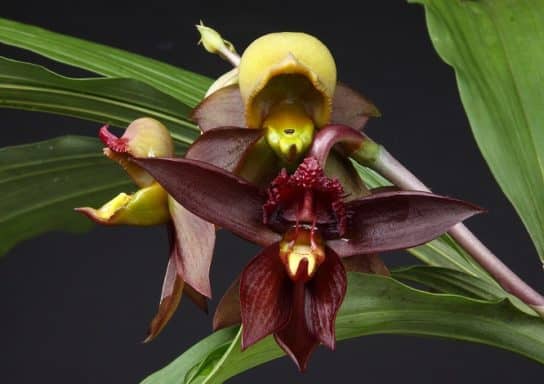
Lelia
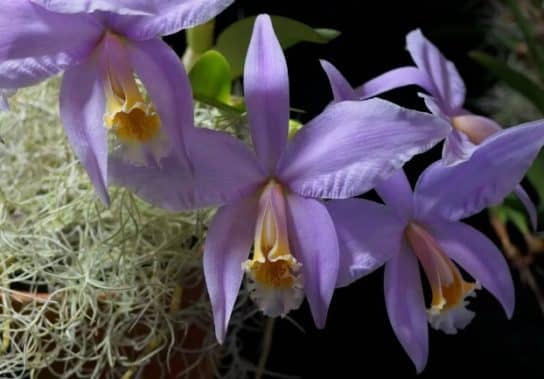
Likasta
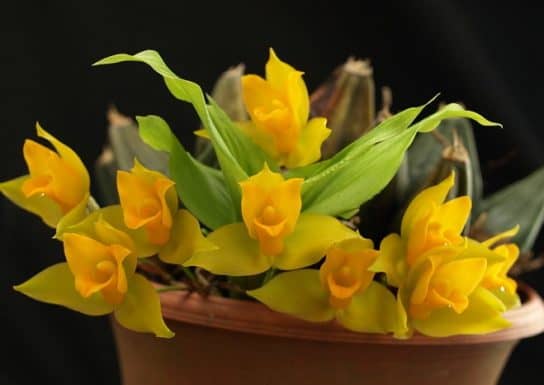
Makodes
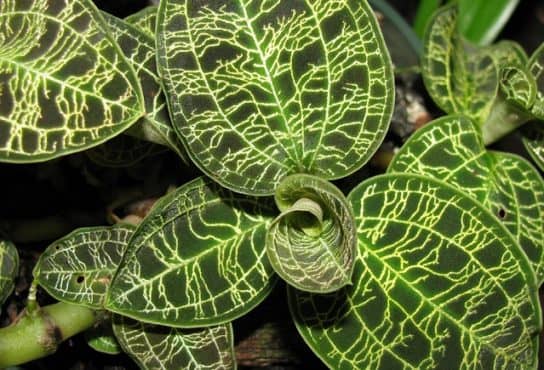
Miltassia
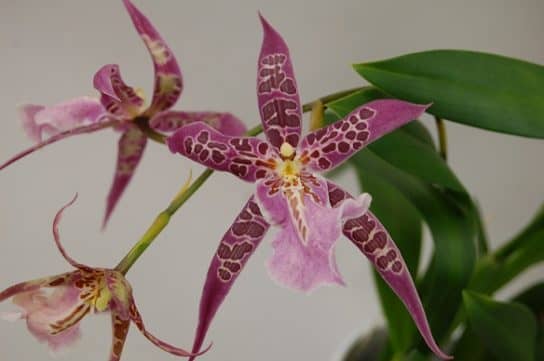
Odontoglossum
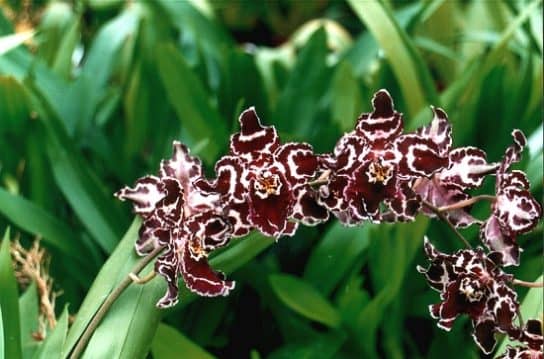
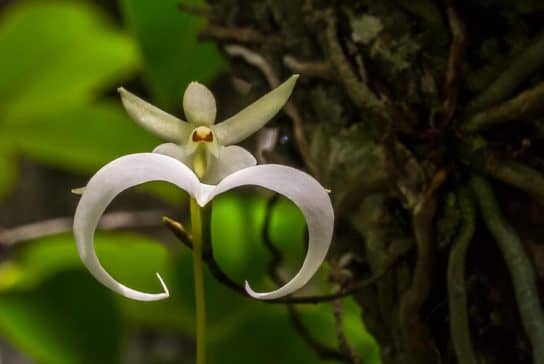
Ghost (Polyrisis)
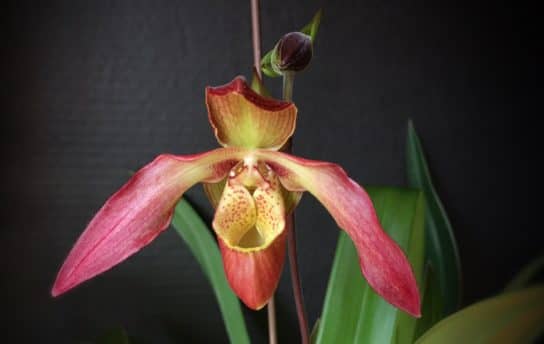
Fragmipedium
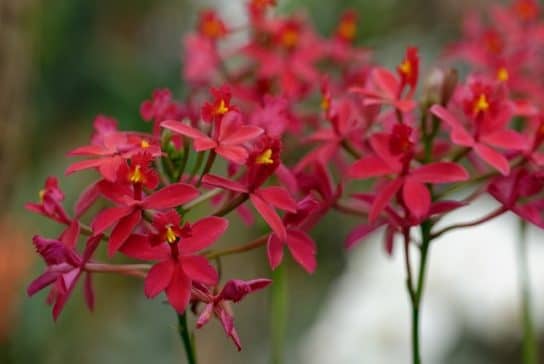
Epidendrum
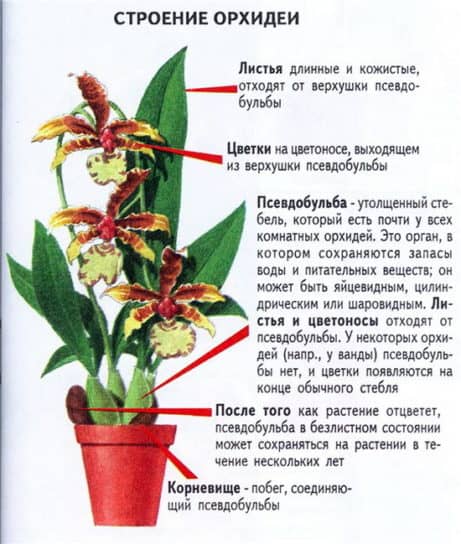
Structure
The orchid family has a significant difference from all the usual flowering plants: we are talking about the intergrowth of filaments of stamens (there may be several of them – from one to three) with a ginitsea column. This fusion is called gynostemia or columnar – and, in addition to orchids, such a device is found only in rafflesiaceae.
Orchid flowers themselves are usually collected in racemose inflorescences or spikelets, much less often – they are located alone (for example, a lady’s slipper). Usually flowers are three-membered, decorated with identical sepals. Of the three petals, the upper one forms the so-called lip – a kind of long outgrowth back, with nectar. And, since the position downward with this very lip is optimal for pollination, then most orchids are faced with the process of resupation, or twisting.
Characteristics and features
Among orchids, perennial grasses are widespread and dominant, although sometimes shrubs and even large vines are found among them.
Usually, in greenhouse conditions, tropical species of this family live to a serious age – about 70 years.
Along with autotrophic forms, saprophytes are also found in orchids. And by the nature of the substrate, it is customary to distinguish between epiphytes – the largest group, as well as lithophytes and terrestrial ones, distributed mainly in temperate latitudes. Epiphytic orchids usually develop severe aerial root systems that do not have hairs, but are characterized by a special suction tissue called velamen. Moreover, in some of them, the roots take on the function of photosynthesis instead of leaves.
Conclusion
Orchids are, first of all, ornamental plants – and they are actively used as greenhouse decorations (for example, phalaenopsis or cattleya).
But the fruits of flat-leaved vanilla are the most famous and valuable spice, which the whole world knows under the name of “vanilla sticks”.
The fleshy tubers of some species of orchids are used in medicine due to their high starch content (salep tubers) as enveloping agents to feed a weakened body (fingerling, lyubka, anakamptis).
