


Forage crops, as their name implies, include plants that are grown for agricultural needs, in particular for livestock feed. Usually these are perennial or annual grasses grown for pasture and green types of animal feed, as well as for the production of silage.
Moreover, all types of food plants are usually divided into two large groups:
- Wild;
- Cultivated or raised by humans.
Types of forage crops
Forage crops
As crops that are grown for grain feed purposes, rye and wheat are often used, as well as oats and barley, which are familiar to many. Moreover, these same crops are often used in the production of green forage – but in a mix with legumes.
And you always need to remember that when deciding on the use of grain for fodder crops, not only the type of crop, but also its variety, quality and value of grain is of significant importance.
Oat
Barley

Rye

Millet

Corn

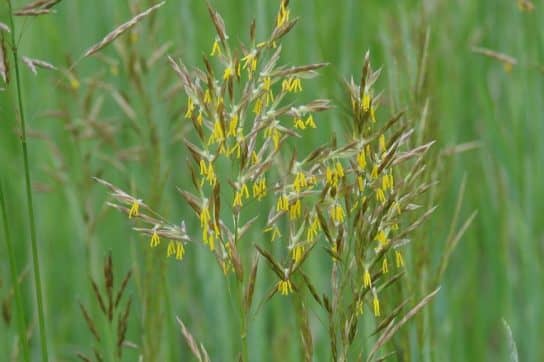
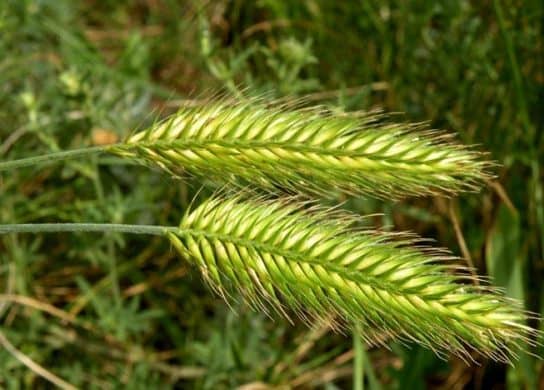
Bonfire boneless
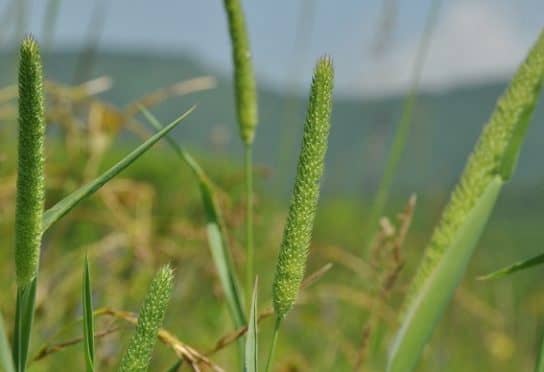
Timothy grass
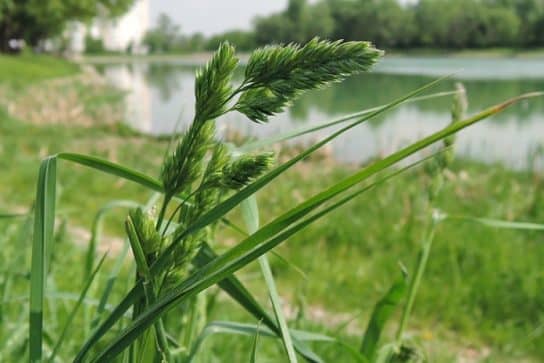
Cocksfoot
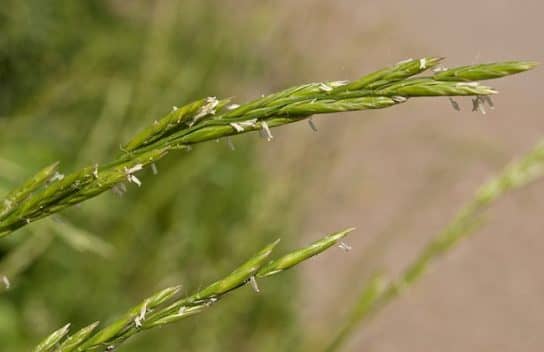
Meadow fescue
Wheatgrass
Legumes
It is customary to refer to leguminous fodder crops as groups of plants of the legume family, which are grown just for the sake of the fruits that are used for fodder. Most importantly, this group of fodder is limited exclusively to those plant species that are harvested for use only as dry grains. And the most common of these plants are peas, beans and lentils.
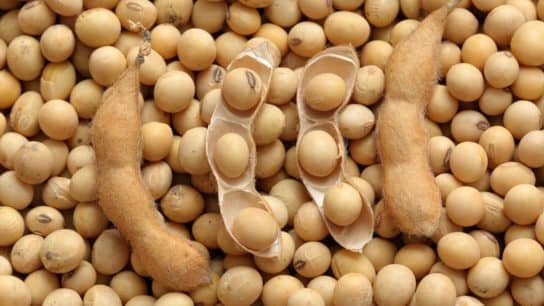
Soybeans
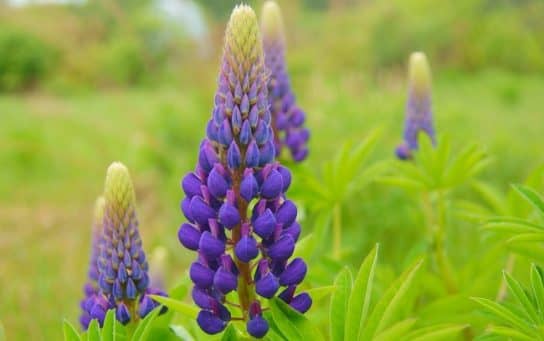
Lupine
Field peas
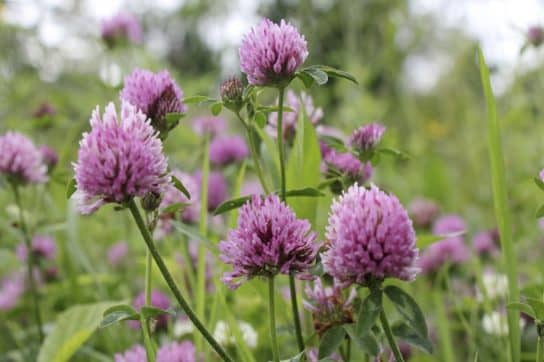
Red clover
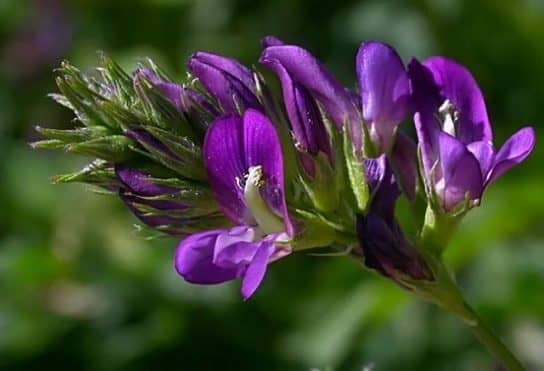
Alfalfa
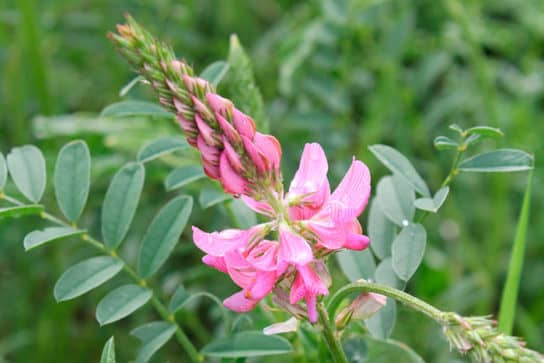
Sainfoin
She shouts

Silage crops
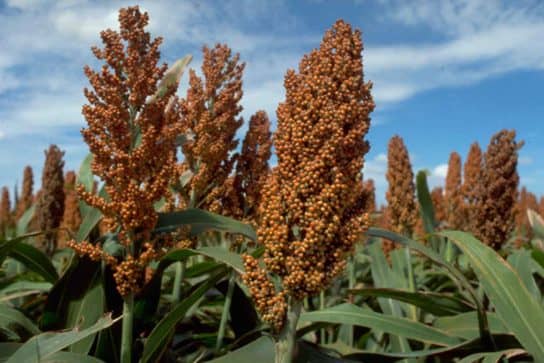
Silage crops are also fodder crops that are grown for animal feed. As a rule, these are both annual and perennial grasses grown to obtain pasture and green masses for hay and silage: corn, sorghum, rape, beans, sunflowers.
It should be understood that when harvesting varieties of such crops, the total green mass contains many nutrients – up to 70% water, about 2.5% protein, 17% carbohydrates, fats, calcium and phosphorus.
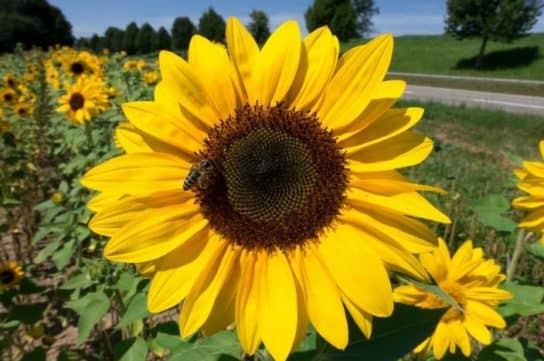
Sunflower
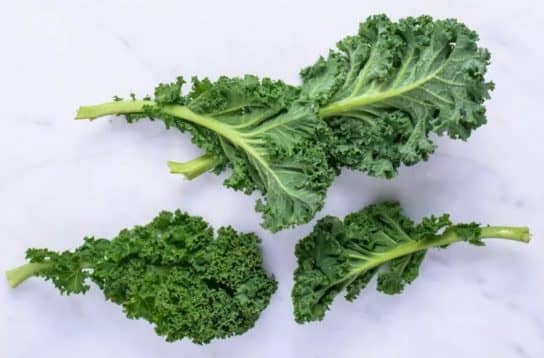
Kale
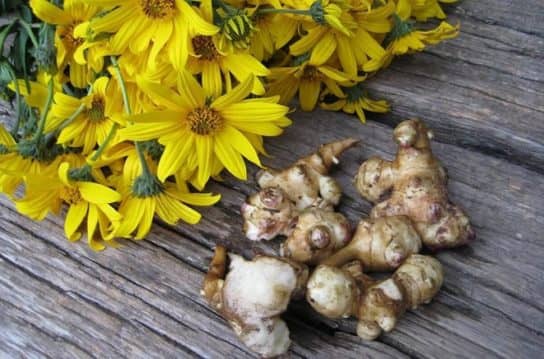
Jerusalem artichoke
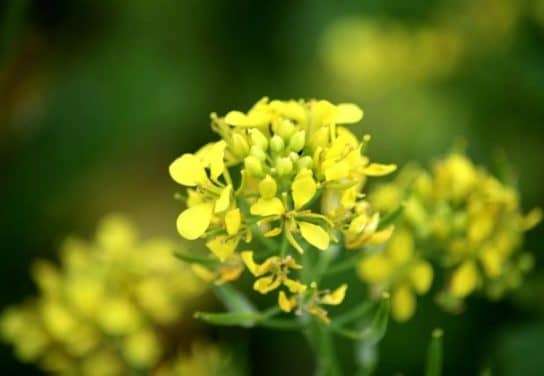
White mustard
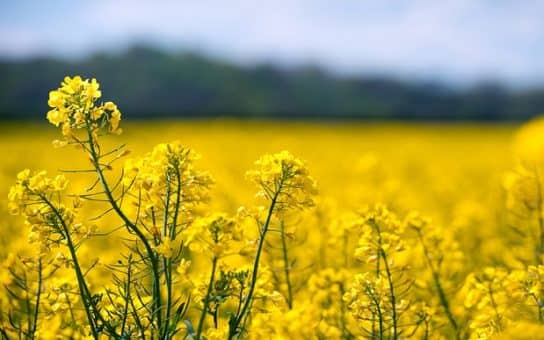
Winter rape
Sorghum
Fodder root crops
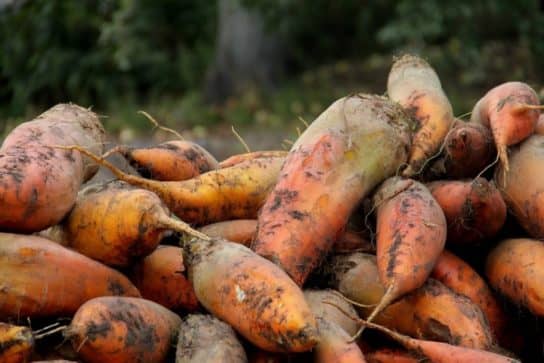
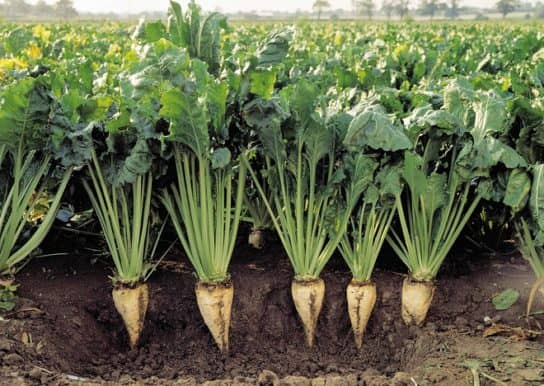
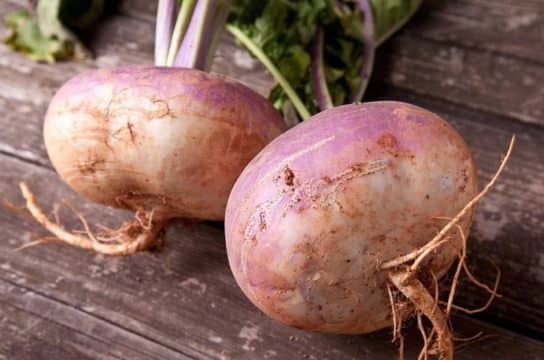
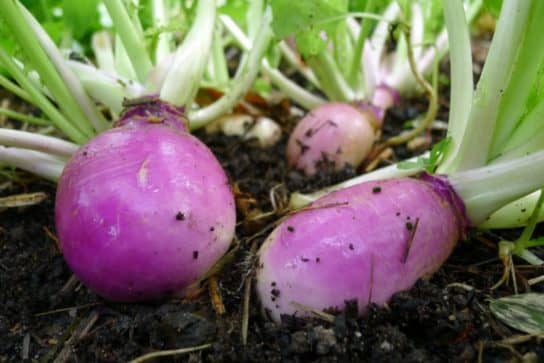
Fodder root crops are grown for even more juicy fodder: these are semi-sugar and fodder beets, carrots, rutabagas and many others. Usually, root crops are used for feed in their natural form, as well as, without fail, tops, usually silage.
The main crop in this widespread group of plants is the well-known fodder beet, which has many advantages: good storage, high yield (about 1000 centners per hectare). Turnips and potatoes also belong to this group.
Fodder beet
Sugar beet
Swede
Fodder carrots

Turneps
Fodder melons and gourds
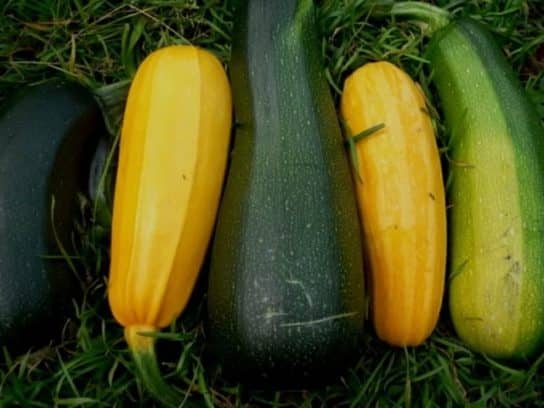
Fodder melons and gourds in their mass are undemanding to the composition of the soil and other conditions, and are also characterized by drought resistance.
Usually pumpkin and watermelon are grown for forage purposes – as a rule, in the arid regions of the country, in the Caucasus, Ukraine, as well as in the forest-steppe and steppe zones of Siberia and the Far East.
Due to the fact that these crops are susceptible to storage difficulties in cold winter conditions, a significant part of the summer harvest is subjected to ensiling. Usually pumpkin and watermelon are ensiled in a mix with rougher forage (straw and chaff, dry stems of crops) – after all, this is a reliable way to prepare a sufficient amount of forage for the winter.
Fodder watermelon

Zucchini
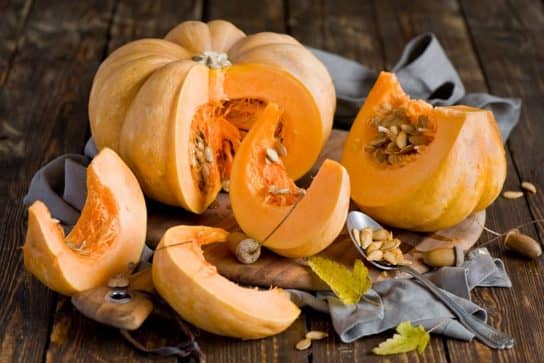
Pumpkin
Structure of forage crops
The most numerous of the groups of forage plants are perennial grasses, which include legumes (clover, alfalfa), and bluegrass (timothy). It is customary to sow such crops both in pure form and in a wide variety of mixtures (for example, clover and timothy, or alfalfa and wheat grass).
Typically, these crops are used on the vine as grazing food and as green mass for the production of hay, silage or flour.
Thanks to such plants, the feed is rich in protein components, as well as vitamins and minerals, and the soil is enriched with nitrogen (thanks to the nodule bacteria that assimilate nitrogen from the air).
Most of the forage crops are moisture-loving plants, and with a lack of moisture they do not give a high yield, so they need to be grown in well-irrigated areas.
In agricultural technology, fodder crops are most often sown under the protection of other crops – as a rule, these are cereals (spring and winter crops). But sometimes, especially during a drought, they are sown without a cover – in order to be able to get an ideal herbage.
Almost all forage crops are distinguished by small seeds – and the seeding rates for such crops are not high – as a rule, about 10-20 kg per hectare. And when sowing, it must be borne in mind that almost all of them react very negatively to soil with an increased acidity index.
Characteristics and features
All agricultural forage crops are directly related to the nutrition of farm animals. Such crops include root crops, grasses, silage crops and melons.
Usually, all fodder crops are distributed according to their properties into several groups of economic and botanical type:
- bluegrass (timothy, hedgehog, chaff, vetch);
- legumes (clover, alfalfa, sweet clover, lupine);
- sedge;
- weeds (comfrey, radish, mallow).
It is customary to classify plant species from the sedge and rump family to the sedge group, but all other groups of families are included in the forbs. The most interesting thing is that it is customary to place the crops of such crops in special fodder crop rotations, usually of the near-farm type. As a rule, these are field, as well as forage-field and meadow fields of field crop rotations. In the structure of the feed area, up to 60% is usually allocated for them.
TOP 5 forage crops for dry regions
Conclusion
Usually fodder crops are cultivated in field or fodder crop rotations, which is typical for permanent plots. And today, in the conditions of the growth of the level of agriculture, it is customary to single out the cultivation of such crops even as an independent branch of agriculture, which is called fodder production.
And one of the most important areas of crop production has become just the cultivation of a wide variety of fodder crops. This is due to the fact that the main factor in reducing the cost of livestock products is precisely the modern technology of cheap and, which is important, high-quality production of fodder. And with this, the competitiveness of such products also increases, along with an increase in the productivity of the industry.
In Russia, it is customary to allocate significant sown areas for fodder crops. So, the total area for this group is almost 70 million hectares of land, of which 25 million are allocated for sowing perennial grasses, 17 million for annual crops, 45 million for grain fodder crops, and 17 for maize for green mass.
