


The taiga is distinguished by its boreal forests, which spread along the trajectory of northern latitudes, stretching from North America to Eurasia. The taiga itself is considered a rather difficult place for the development of flora and fauna, since it is distinguished by harsh climatic conditions, as well as relief and soil. Almost all of the taiga soil is rather cold and waterlogged. However, on the territory of the taiga there are a number of amazing plants that endure cold winters and short summers. Boreal forests are famous for the large number of pine trees.
Siberian spruce
Siberian spruce is very similar to ordinary spruce and often forms hybrids with it. However, the difference between them lies in the length and shape of the needles and cones. Siberian spruce belongs to the pine family and is highly frost-resistant. These trees can grow up to 30 meters in height. The bark turns dark brown over the years, and the crowns have clearly defined tops.
Spruce black

Black spruce is an evergreen coniferous plant that is native to North America. They can reach a height of about 30 meters and are distinguished by rather thin needles, reaching a width of up to 0.7 millimeters. Prefers moisture, therefore it often grows in swampy areas. The bark is reddish brown in color and has a scaly surface.
Gray spruce
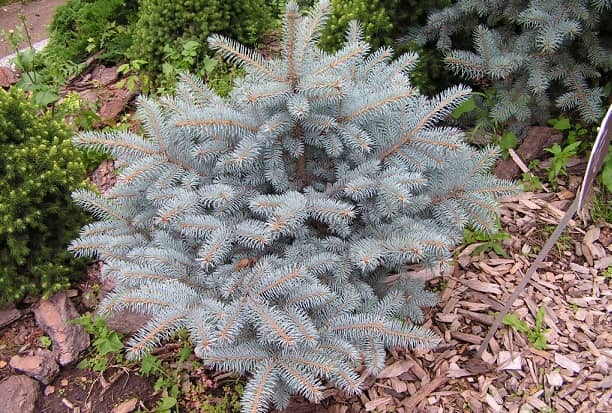
The gray spruce is also known as the Canadian spruce. It belongs to the pine family. It prefers to grow in forest areas, on the banks of water bodies and rivers. Occurs in the mountains up to 1500 meters above sea level. It is considered a medium-tall tree and can reach heights of up to 20 meters. The crown is thick and conical in shape. The kidneys are in the form of a ball with a length of up to 5 millimeters.
Banks Pine
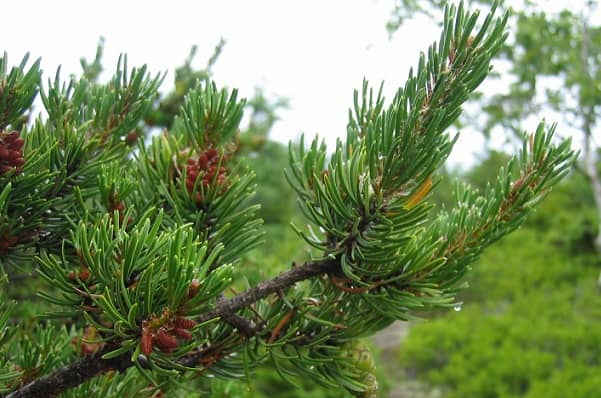
This tree is capable of reaching a height of about 25 meters. The needles have a curved shape. Seed-shaped buds and ways not to open for many years. The crown is ovoid and loose. The buds are whitish and resin-coated. The bark is dark with thick plates. Differs in great endurance, so it can withstand extreme heat and cold.
Scots pine
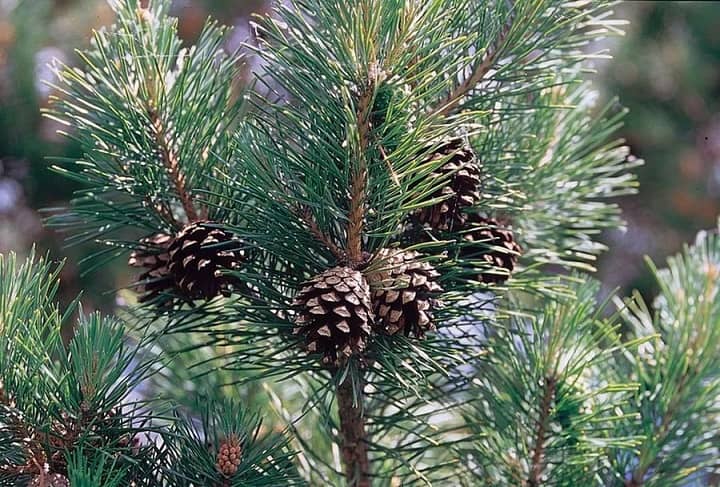
Scotch pine is one of the most valuable conifers. This tree is capable of reaching a height of 40 meters. The trunk diameter reaches 1 meter. The trunk itself is distinguished by a reddish-brown color with characteristic grooves. Crohn with age acquires an umbrella-shaped or flat shape. Some needles fall off in the autumn.
White fir
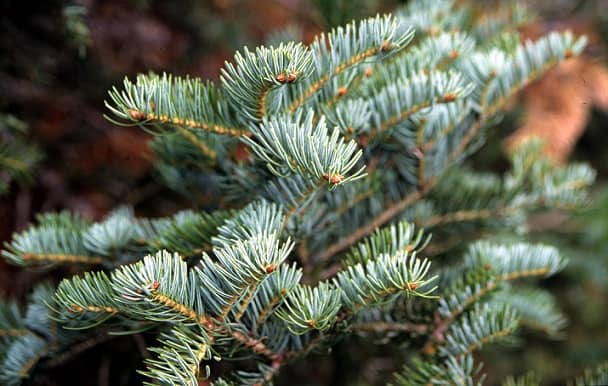
The white fir is also known as the European crested fir. It reaches a height of about 2 meters. Young trees are distinguished by a crown in the form of a pyramid. With age, it takes on an oval-pointed appearance. The bark is smooth and silvery gray. White fir is often used as an ornamental plant.
Balsam fir
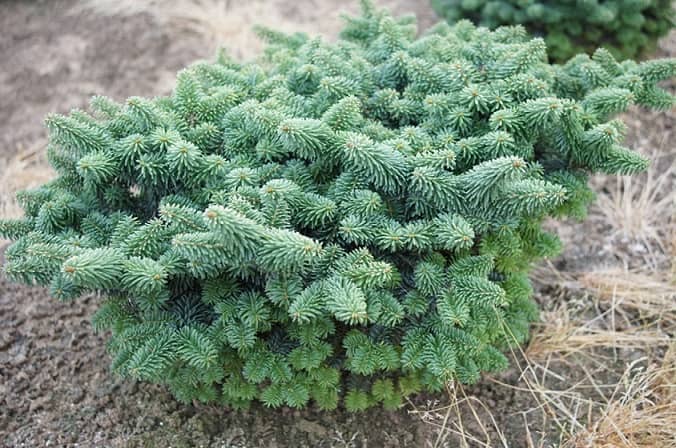
It is an evergreen tree that can reach a height of 17 meters. However, there are balsamic firs with a height of 27 meters. The needles are dark green in color and have a pleasant aroma. The trunk is covered with gray bark with characteristic resin streaks. The crown of this tree is dense in the form of a cone with a sharp top.
Pseudotsuga Menzisa
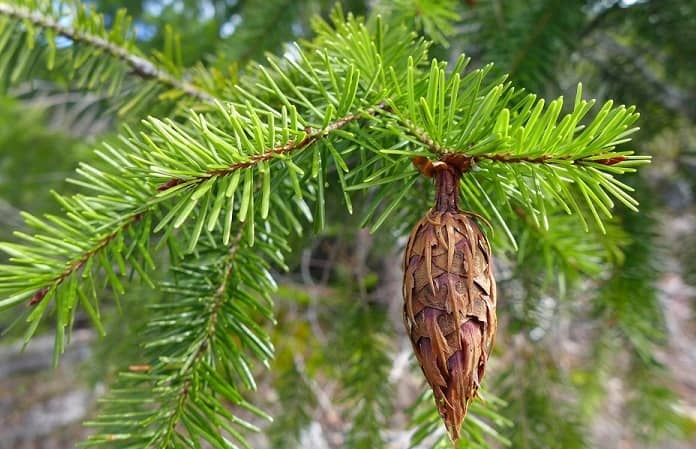
Menzies’ pseudo-slug is a coniferous tree that can reach 75 meters in height. The crown is located symmetrically and has a wide conical shape. The bark has a lumpy surface. Branches become horizontal with age. Young shoots are colored orange-yellow, and begin to darken with age.
Siberian cedar
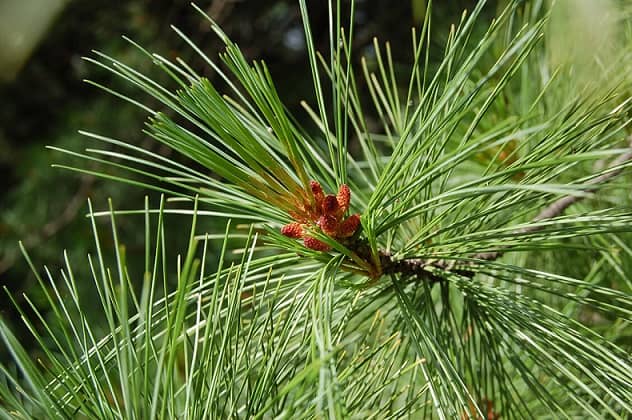
Siberian cedar is a large and noble tree with a powerful evergreen crown. It tolerates darkness well, therefore it is a shade-tolerant tree. The trunk diameter can be up to 2 meters. It is covered with gray-brown bark, on which thick knots are located. The needles are soft and dark green.
The rest of the taiga plants
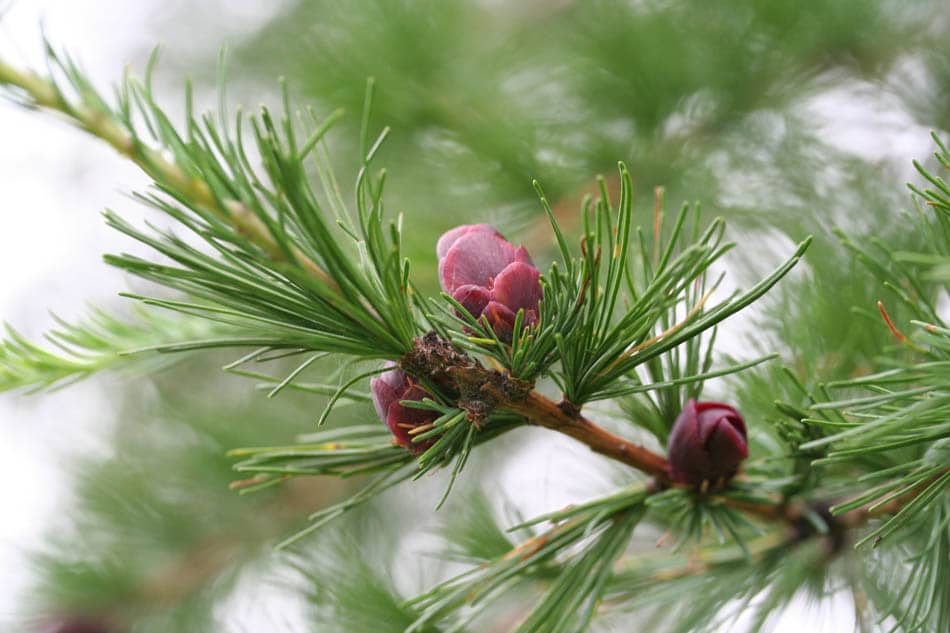
Gmelin larch
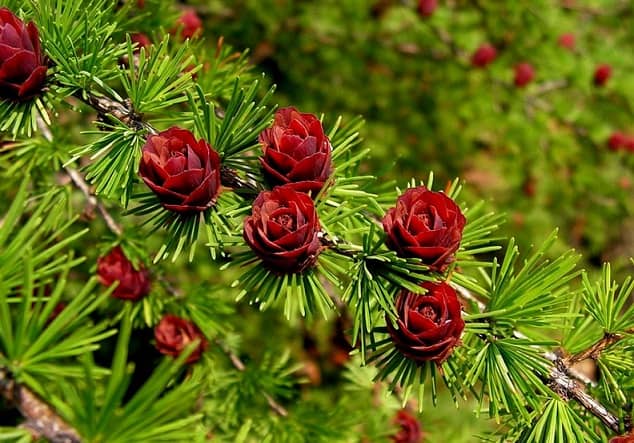
Tamarack
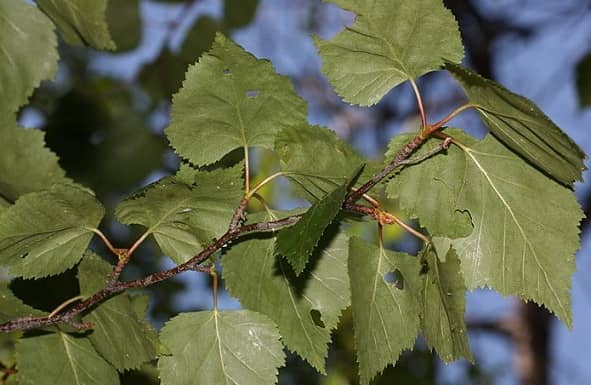
Paper birch
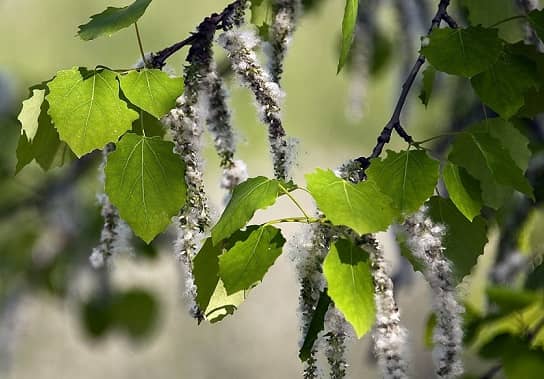
Aspen
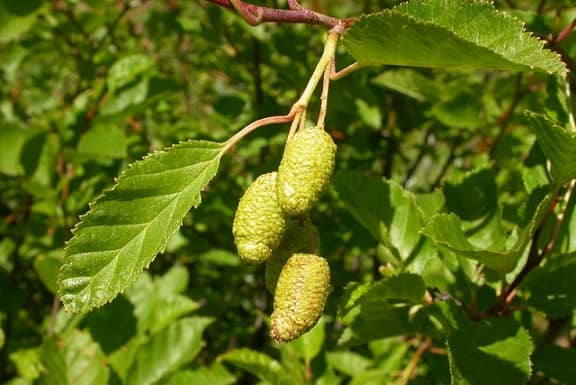
Alder green
Linden
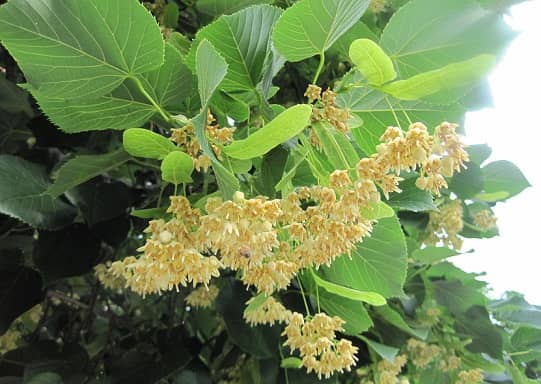
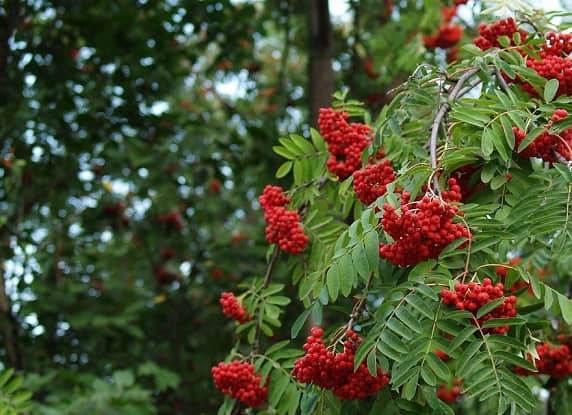
Rowan
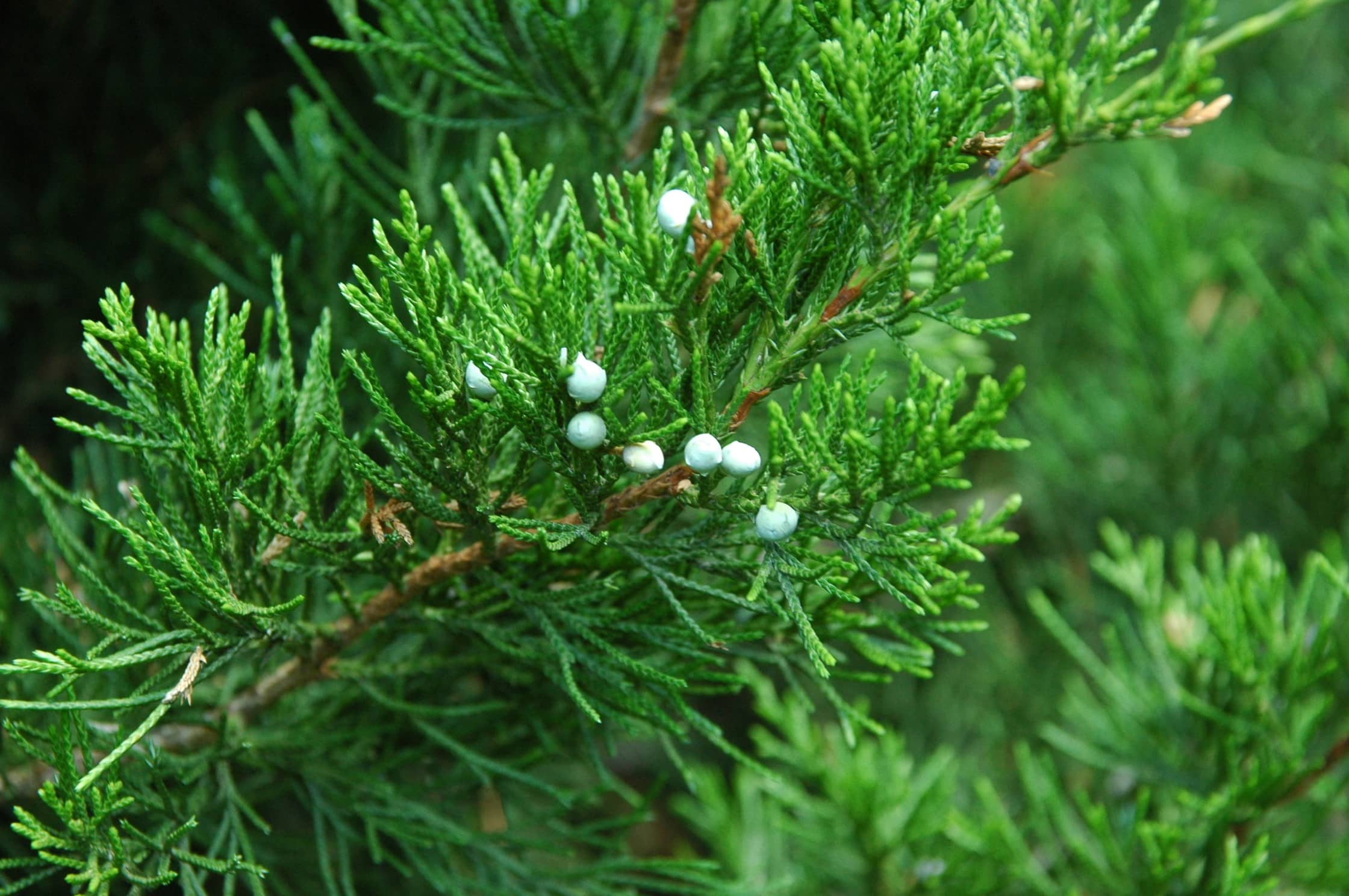
Red cedar
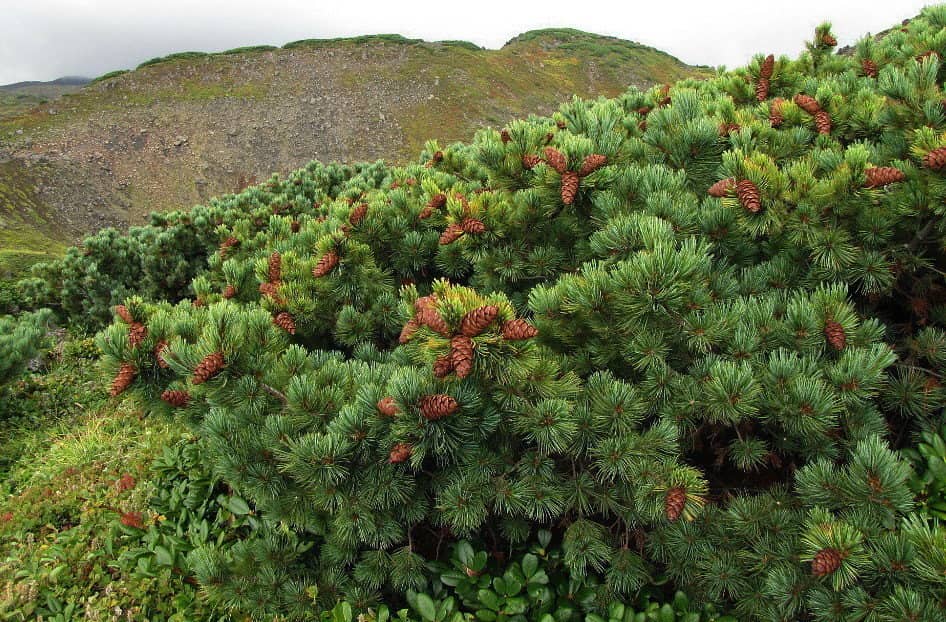
Кедровый стланик
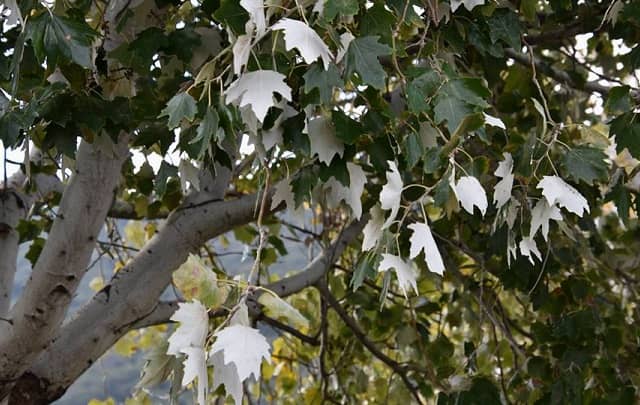
Poplar white
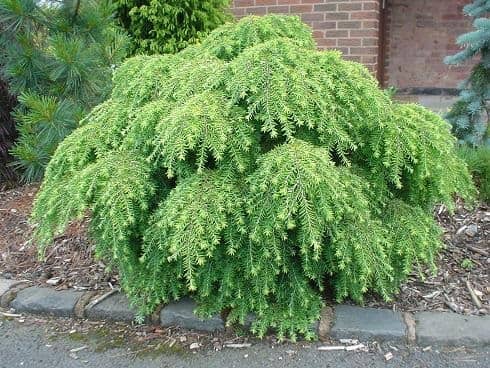
Tsuga
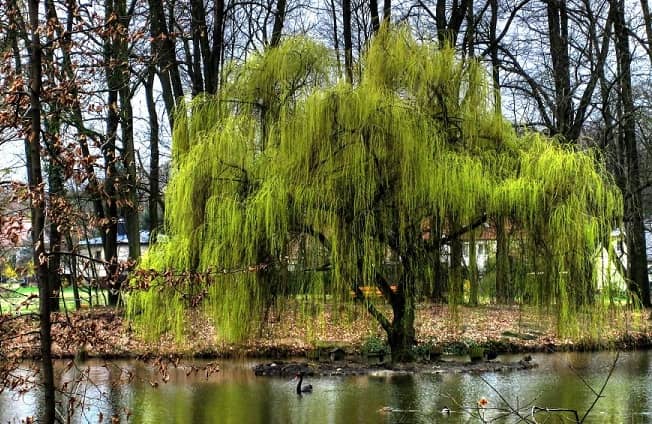
Iva
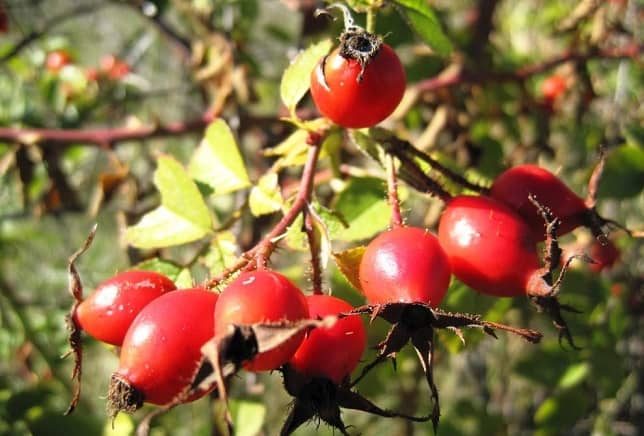
Rose hip
Narrow-leaved Kalmia
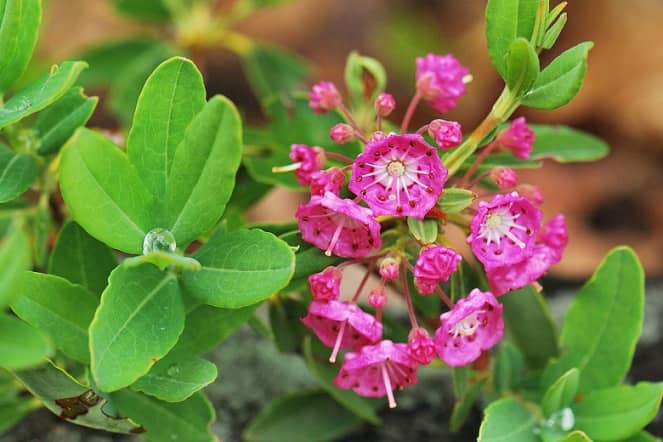
Ivan tea is narrow-leaved
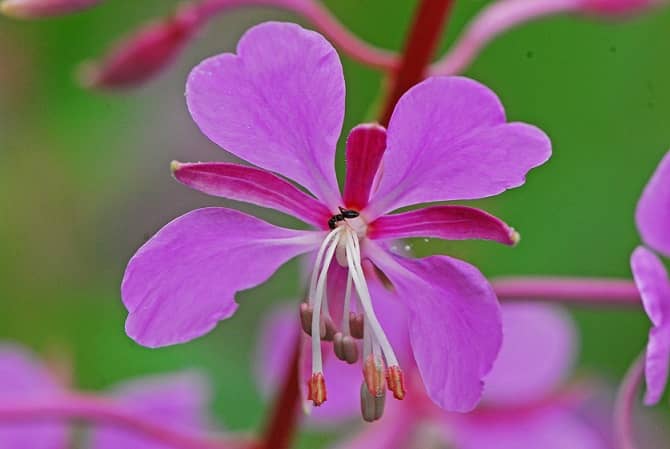
Cranberry
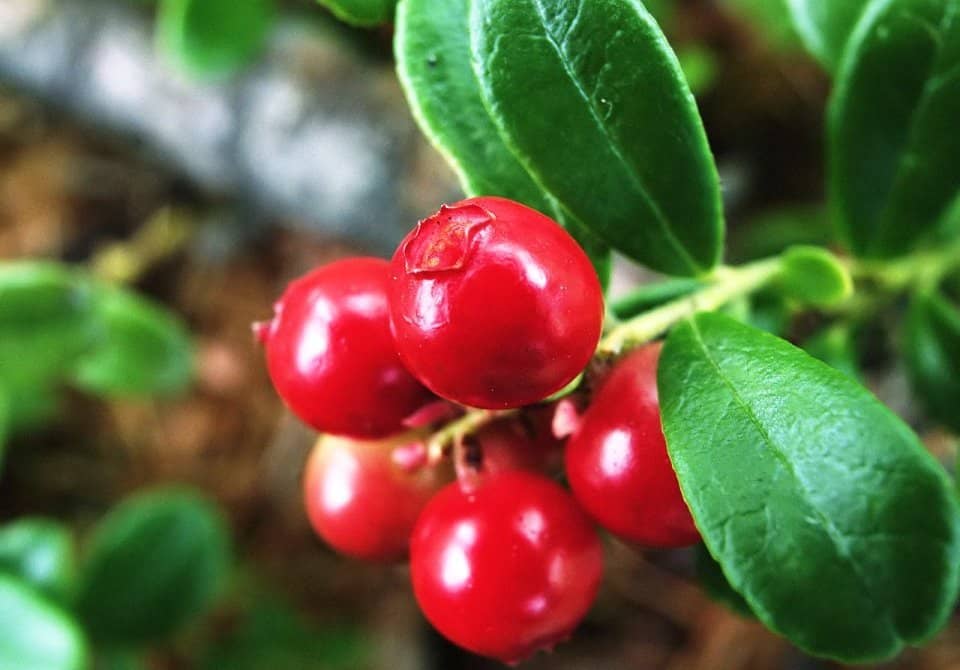
Cowberry
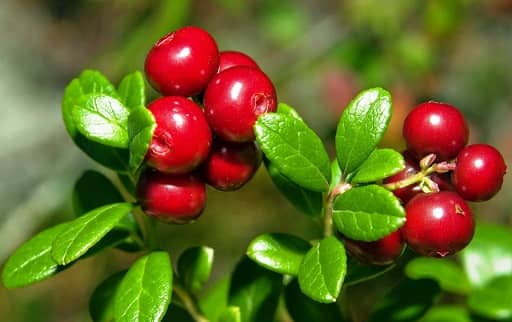
Blueberry
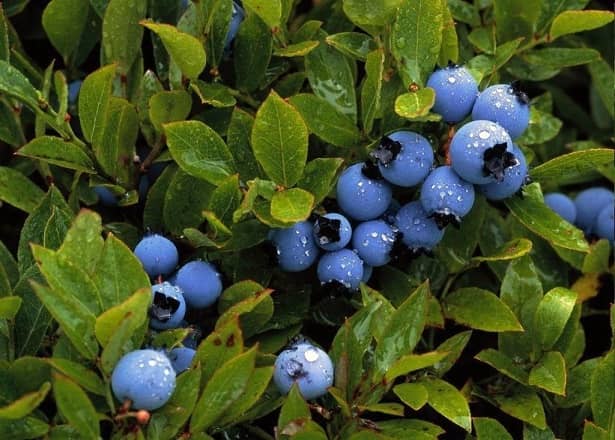
Blueberry
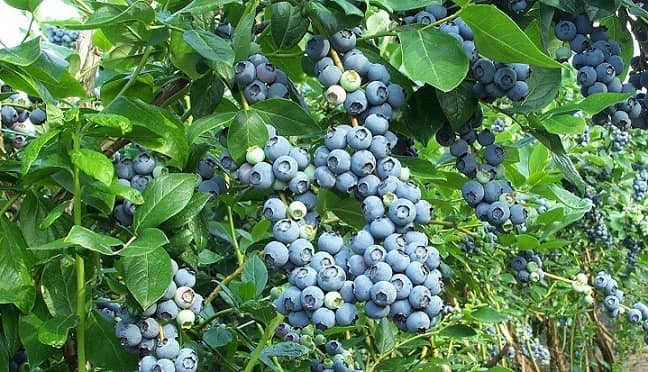
Bagulnik
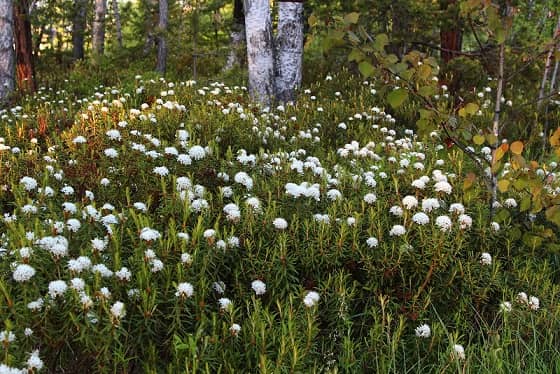
Voskovnik ordinary
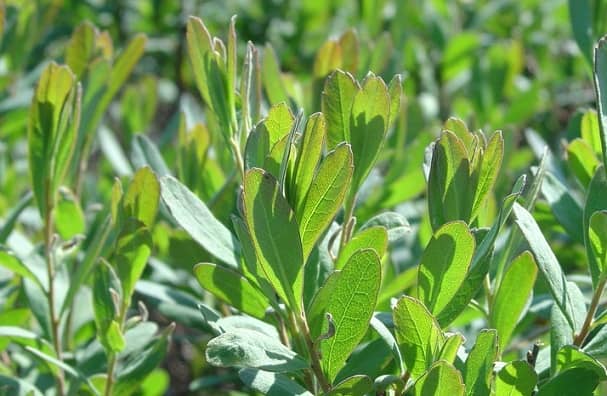
Smoke
Conclusion
Few plants have been able to adapt to the unusual taiga climate. However, not only the climate affects the state of the taiga fauna. It is negatively impacted by the following factors: widespread forestry, frequent fires, the use of pesticides and insects. Siberian forests are the darkest in the entire globe. The crowns of trees practically do not allow sunlight to pass through. Deciduous trees such as aspen, birch and mountain ash have spread along the shores of lakes and streams. This area is an amazing ecological phenomenon.
