


The natural zone of the tundra occupies about 5-7% of the land area of the planet. The climate of the zone is characterized by the absence of warm summers. In this climate, it lasts only a few weeks, and the average air temperature reaches 15⁰С. Low temperatures cause accumulation of moisture and this leads to the formation of wetlands in the area. In the tundra zone, the species composition of animals is small, but it is distinguished by a large number. The flora of the tundra requires special attention. It is rich in variety and beautiful. We invite you to familiarize yourself with a list of the most distinctive plants used to this climate.
Typical tundra plants
Heather
A shrub with unusually beautiful inflorescences. It is the national flower of Norway. The plant is saturated with a persistent tasty aroma. On a large number of leaves, small flowers of various colors are located. The plant is distinguished by a variety of species. The plant grows well in semi-shady places with small shrubs.
Kuropatachya grass

The small flowering plant is often called “dryad” after the ancient Greek forest goddess nymph. Large snow-white flowers fell in love with people, so they are often planted in gardens. In addition, the plant includes wild partridges and geese in their winter diet. The plant has dense specific leaves, they remain green in winter.
Osoki

The plant loves moisture and cold temperatures. In the wild, sedges are very useful. The plant is considered classic and is used to surviving in different climates. In the tundra, animals eat sedge all year round, especially in winter. Deer, moose, rodents and muskrats are among the fans of sedge. The stem is shaped in such a way that it is easy for a person to cut it.
Blueberry

A popular plant, it has a blue tint of foliage. The fruits are similar to blueberries, located between the small oval foliage of the plant. Blueberries are among the most common plants in the tundra. There are several types of shrubs of this plant.
Water

An evergreen shrub with medicinal properties. The branches of the plant are similar to spruce and are clearly distinguishable from many other plant species. In the middle of summer, bright pink inflorescences appear on the bush. After flowering, the plant forms round black berries. Hunters of the tundra often quench their thirst with juicy berries of crowberry, from which the name appeared. Due to its popularity, the plant has many names – sorceress, scarlet, etc.
Jagel

A very important plant for tundra animals in winter. It is also called “reindeer moss”, since during the nine months of cold weather, reindeer consume lichen every day. The plant makes up 90% of the winter reindeer diet. Animals find it by smell even under a thick layer of snow. Yagel belongs to lichens, it is considered the largest and can reach a height of 15 cm.
Cloudberry

This herbaceous plant belongs to the raspberry genus. It is seasonal, since during the cold weather the upper part of the cloudberry dies and only the root remains. Only by spring does a stem grow, on which leaves and flowers will grow. The plant’s yellow-orange berries taste different from raspberries, just like its fruit itself. Cloudberry is a dioecious plant. This means that some plants bear male flowers, from which there are no fruits, and the second – only female ones, from which berries appear.
Ива Мохнатая

Each leaf and branch of the bush is covered with thick hairs, they protect the willow from cold and frost. Reindeer wait a very long time for fresh leaves to appear on the bush. They are happy to eat them, they are very useful for the health of animals. Reindeer can eat up to 7-10 kg of the leaves of this shrub per day.
Bagulnik

A beautiful plant with a lot of medium-sized flowers. The plant itself in the tundra climate can reach 1.5 meters. The stem is covered with villi that protect the wild rosemary from extreme cold. Flowers exude a bright and sugary aroma. It should not be inhaled for a long time, as it can cause headaches or dizziness. For the same reasons, animals of the tundra do not eat the plant, because it contains a large amount of essential oils and toxic substances.
Highlander viviparous

A small herb with narrow, oblong leaves. The long stem has small pink or white flowers. The viviparous mountaineer has an edible root and can be eaten raw or cooked.
Other Tundra Plants
Dwarf birch

Blueberry

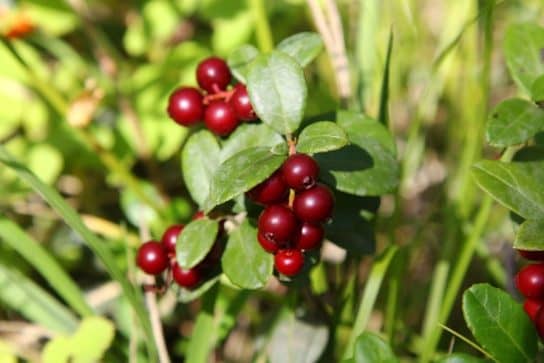
Cowberry
Pine Lapland (Friza)

Conclusion
Each tundra plant has adapted to the harsh climate of the region in its own way. Most of the plants are eaten by animals; in winter, only a few of them are an effective source of beneficial micronutrients for reindeer, lemmings and many other inhabitants of the tundra.
Other related articles:
- Tundra nature
- Tundra animals
- Animals of the tundra of the Red Book of Russia
- Lesotundra
- All about the reindeer
