


- 1 What defines an effective name for a male Rottweiler in terms of behavior, phonetics, and breed function?
- 2 How do male Rottweiler traits influence naming strategy?
- 3 What phonetic structures optimize name recognition for male Rottweilers?
- 4 Which naming strategies align with different roles of male Rottweilers?
- 5 How do cultural and historical influences shape male Rottweiler names?
- 6 What mistakes reduce the effectiveness of male Rottweiler names?
- 7 How does training methodology interact with a male Rottweiler’s name?
- 8 What frameworks can be used to generate male Rottweiler name ideas?
- 9 How do age, size, and development stage affect naming decisions?
- 10 How can you validate that a male Rottweiler’s name is effective?
What defines an effective name for a male Rottweiler in terms of behavior, phonetics, and breed function?
An effective male Rottweiler name is short, acoustically distinct, semantically aligned with strength and control, and optimized for use in training systems.
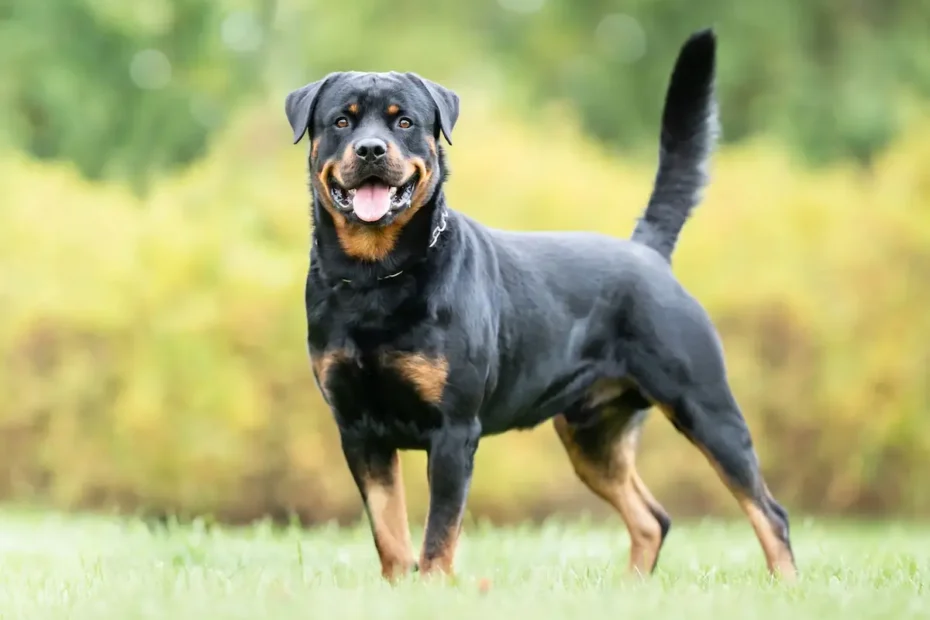
The Rottweiler is a German working breed within the Molosser group, historically used for cattle driving, cart pulling, and guarding. Male Rottweilers typically weigh between 95 and 135 pounds and present a combination of muscular structure, high bite force around 328 PSI, and strong territorial instincts. These characteristics shape how a name functions, since the name becomes a core command signal embedded in obedience training, recall, and handler communication.
Phonetic clarity determines response speed. Canine auditory processing favors sharp consonants such as K, T, and R, paired with clear vowel endings. Names like “Rex,” “Kane,” or “Bruno” produce faster recognition than longer or softer constructions. Semantic alignment is equally critical. A male Rottweiler’s name often reflects authority, stability, and control, which influences handler perception and consistency in structured training environments.
How do male Rottweiler traits influence naming strategy?
Male Rottweiler names should reflect dominance, physical power, and behavioral assertiveness without compromising clarity or training efficiency.
Male Rottweilers exhibit higher average body mass and often display more dominant territorial behavior compared to females. This influences naming conventions because handlers tend to reinforce structured leadership during training. Names that carry strong phonetic weight and concise delivery support command authority and reduce ambiguity in high-control scenarios.
Behavioral studies referenced by canine psychologist Stanley Coren indicate that Rottweilers rank high in working intelligence, meaning they quickly associate auditory cues with outcomes. This increases the importance of precision in naming. A poorly structured name can lead to inconsistent reinforcement patterns, especially during early obedience training.
Testosterone-related behavioral tendencies, particularly in intact males, may include increased assertiveness or distraction. A clear, stable name helps maintain attention control and improves compliance during training sessions.
What phonetic structures optimize name recognition for male Rottweilers?
The optimal phonetic structure includes one to two syllables, strong consonant onsets, and clear vowel endings that create acoustic contrast.
Names such as “Max,” “Axel,” and “Rico” follow this structure. Short names reduce cognitive load and allow faster processing in the dog’s auditory system. Longer names, especially those exceeding three syllables, often result in informal shortening, creating inconsistency in command signals.
Acoustic contrast ensures the name does not overlap with common commands. Names like “Kit” or “Bo” create interference with “sit” and “no,” respectively. This overlap disrupts operant conditioning processes by introducing ambiguity into reinforcement loops.
Vowel emphasis enhances detection. Names ending in open vowels such as “o” or “a” produce clearer tonal patterns. This is particularly relevant in outdoor or high-noise environments where signal clarity determines recall success.
Consistency across handlers remains non-negotiable. Variations in pronunciation or shortening of the name weaken associative learning and reduce reliability in multi-person households.
Which naming strategies align with different roles of male Rottweilers?
Naming strategies must align with the functional role of the male Rottweiler, whether as a guard dog, working dog, companion, or show animal.
For protection and guarding roles, names often emphasize strength and authority. Examples include “Titan,” “Diesel,” and “Thor.” These names reinforce the handler’s perception of the dog as a controlled, powerful asset and support disciplined training routines.
For companion roles, names may balance strength with approachability. Names like “Leo,” “Charlie,” or “Milo” reduce perceived aggression in public settings while maintaining phonetic efficiency. This is particularly relevant in urban environments where large breeds are subject to social scrutiny.
Show and pedigree Rottweilers often carry formal registered names linked to kennel lines, such as “Von Adler’s Iron King.” These names serve identification purposes, while everyday use relies on shorter call names like “King” or “Iron.”
Working contexts such as law enforcement or Schutzhund training prioritize neutral, concise names. These names must function reliably under stress and in environments with high auditory interference.
How do cultural and historical influences shape male Rottweiler names?
Male Rottweiler names frequently draw from German heritage, mythology, and historical archetypes associated with power and discipline.
German-origin names such as “Bruno,” “Otto,” and “Kaiser” reflect the breed’s roots in Rottweil and maintain cultural continuity. These names also meet phonetic requirements, making them both practical and contextually relevant.
Mythological references provide symbolic alignment with strength and leadership. Names like “Odin,” “Zeus,” and “Hercules” convey authority and resilience. These associations influence handler expectations and may indirectly affect training consistency.
Modern influences include names derived from sports figures, military terminology, or fictional characters. While these names can be culturally relevant, they must still meet functional criteria such as brevity and acoustic clarity.
Geographical variation affects naming trends. In the United States, names like “Rocky” or “Duke” are common, while European regions often favor traditional or language-specific names. These variations reflect sociolinguistic patterns rather than differences in effectiveness.
What mistakes reduce the effectiveness of male Rottweiler names?
Common mistakes include excessive length, phonetic overlap, inconsistent usage, and mismatch between name and functional role.
Names longer than three syllables reduce recall efficiency and increase the likelihood of inconsistent abbreviations. This creates multiple auditory cues for the same subject, weakening associative learning.
Phonetic overlap with commands introduces ambiguity. Names that resemble “stay,” “down,” or “no” interfere with command recognition and reduce training precision.
Inconsistent usage across handlers disrupts reinforcement patterns. If one person uses “Rex” while another uses “Rexy,” the dog receives conflicting signals, slowing learning progression.
Contextual mismatch affects handler perception. A name that does not align with the dog’s role may lead to inconsistent behavior from the handler, indirectly affecting training outcomes.
How does training methodology interact with a male Rottweiler’s name?
The name serves as a primary cue in operant conditioning and must integrate seamlessly into training protocols.
In positive reinforcement training, the name is used to capture attention before issuing commands. For example, “Axel, come” uses the name as an attention anchor. If the name lacks clarity, the command sequence loses effectiveness.
Marker-based systems such as clicker training require distinct auditory signals. The name must not overlap with marker words like “yes,” ensuring each cue retains a unique meaning.
During socialization, the name functions as a stabilizing reference. Exposure to new environments, people, and animals requires a reliable cue that redirects attention and reduces stress responses.
In advanced training contexts, including obedience trials or protection work, the name must perform under high-distraction conditions. Acoustic clarity and consistency determine response reliability.
What frameworks can be used to generate male Rottweiler name ideas?
Structured frameworks allow systematic generation of names while maintaining functional constraints.
Attribute-based naming links traits such as strength, endurance, or intelligence to corresponding names. Examples include “Valor,” “Blaze,” and “Ranger.” This approach ensures semantic alignment with the breed’s characteristics.
Phonetic filtering involves eliminating names that exceed syllable limits, overlap with commands, or lack clarity. This mirrors optimization processes used in communication systems.
Cultural mapping selects a domain such as German heritage or mythology and generates names within that framework. These names are then filtered based on phonetic suitability and training compatibility.
Scenario testing evaluates names in real-world conditions. Speaking the name in different environments allows assessment of clarity, repetition ease, and response speed. This empirical method reduces selection errors.
How do age, size, and development stage affect naming decisions?
Age, physical structure, and developmental stage influence naming choices but should not override functional requirements.
Puppies adapt quickly to new names due to higher neural plasticity. Early naming establishes strong associative links between the name and reinforcement signals.
Adult male Rottweilers, particularly rescues, may require gradual renaming. This involves pairing the old and new names during a transition period to maintain continuity and avoid confusion.
Size and physical presence may influence subjective naming preferences, with larger dogs often receiving stronger-sounding names. However, phonetic clarity and training compatibility remain the primary criteria.
How can you validate that a male Rottweiler’s name is effective?
A name is effective if it produces fast, consistent responses across different environments, handlers, and distraction levels.
Initial validation involves testing in a controlled environment with minimal distractions. The dog should respond within one to two seconds with clear attention signals such as head movement or approach behavior.
Progressive validation introduces environmental complexity, including noise and competing stimuli. Consistent response under these conditions indicates strong name recognition.
Cross-handler testing ensures that the name functions regardless of who uses it. This is essential in multi-person households and professional training environments.
Long-term validation is measured through training outcomes. Reliable recall, stable attention, and consistent command execution confirm that the name supports effective communication and behavioral conditioning.
