


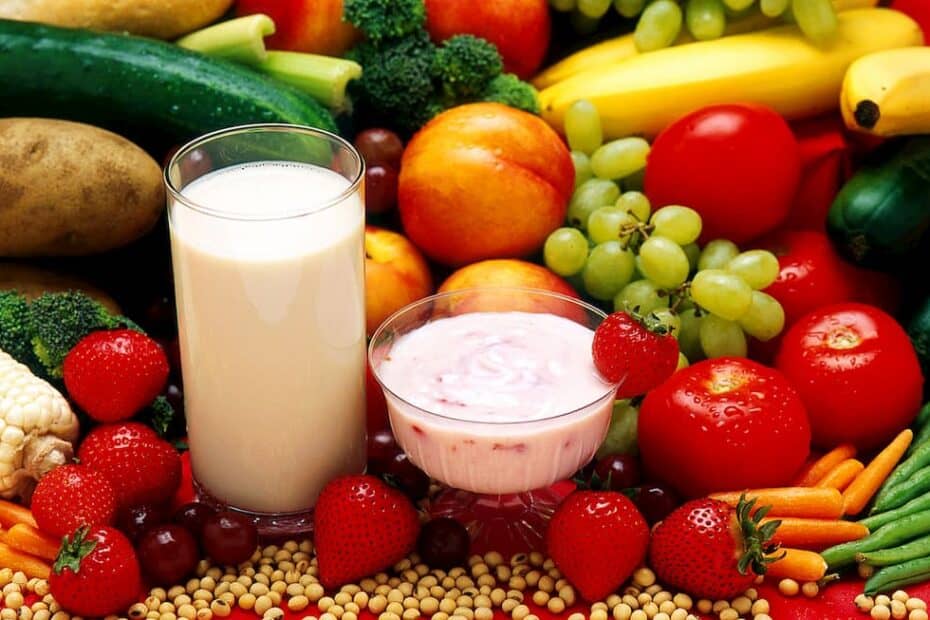
It is widely believed among those interested in healthy eating that switching to a vegetarian or lacto-vegetarian diet is a sure way to lose weight. However, if you decide to give up meat just for the sake of losing weight, then you may be disappointed. The exclusion of meat and fish from the diet does not a priori lead to getting rid of extra pounds. A lacto-vegetarian who eats an unbalanced diet is as likely to gain weight as a meat-eater.
It doesn’t matter if you decide to become a lacto vegetarian for ethical reasons or choose this diet as a healthier one, in any case, you should carefully build your diet so that changes in the diet do not lead to “side effects” in the form of weight gain.
Features of the diet of a lacto-vegetarian
Lacto-vegetarians lack meat, fish and eggs – this can create an imbalance in the supply of essential nutrients. To avoid a deficiency of essential macro- and micronutrients – proteins, fats, carbohydrates, vitamins and microelements – it is necessary to compensate for these substances from other sources – products that can replenish the nutrients that we get from meat products and eggs.
Excessive fat in the diet can be another reason for weight gain when switching to a lacto-vegetarian diet. This happens if you constantly include fatty dairy products in the menu and / or do not control the amount of vegetable oil. Vegetable oil is a healthy product, but, like any other, when consumed in moderation.
Another common mistake is the high proportion of carbohydrates in the diet. When giving up meat, meat products and eggs, it is not always possible to correctly build a diet. As a result, when there is a lack of protein in the diet, an excess of carbohydrates can often occur. Especially if you often allow yourself products containing “simple” carbohydrates: pastries, sweets, chocolate, pastries, white bread, etc.
Tips to Avoid Weight Gain as a Lacto Vegetarian
- Choose predominantly medium to low fat dairy products.
- Use healthy fats containing unsaturated fatty acids: unrefined olive oil, sesame oil, flaxseed oil, but be sure to control the amount.
- Give preference to “complex” carbohydrates – eat vegetables, whole grain cereals, durum wheat pasta, whole grain bread.
- Control the amount of sugar in your diet. Pay attention to how much sweet you consume in “liquid form”. Sugary drinks, tea, coffee with a large amount of sugar, industrial juices can significantly increase the total calorie content of the diet.
- Make sure you get the right amount of protein. You can get the right amount of protein not only with dairy products, but also by including vegetable proteins in the diet: peas, beans, lentils, nuts, mushrooms.
- Eat a variety of foods. The more varied the set of healthy foods, the easier it will be for the body to “find” everything it needs.
- Avoid vegetarian fast food. Products in this category, like fast food containing meat and eggs, contain trans fats, food additives and, apart from extra calories, do not give anything to your body.
How to lose weight as a lacto vegetarian?
The above recommendations will help you improve your diet. But to effectively lose weight, you need careful menu selection and diagnosis of the causes of weight gain. Effective and safe weight loss provides only an individual approach, which will take into account your health status, age, gender, lifestyle, dietary habits and much more. DietCenter, a health and tasty food medical center, will help you draw up an individual meal plan.
DietCenter specialists will create a balanced menu for you, in accordance with your individual needs and dietary preferences, help to normalize weight, teach you to choose the right foods to build a healthy and balanced diet for a lacto-vegetarian.
