


Cities are losing green spaces. However, birds also live in the concrete jungle. Trees and open space disappear. Therefore, the birds are forced to adapt to the artificial environment.
The group of urban birds includes species that depend on humans. Most of the species that live in the city are scavengers, although other species are found in parks, suburban areas, and nest in buildings.
On average, the urban bird population has grown by 25% over the past three decades. It includes permanent urban dwellers and short-distance migrant birds.
City swallow (Funnel)
Barn Swallow (Orca)

White wagtail

Common starling

Blue tit
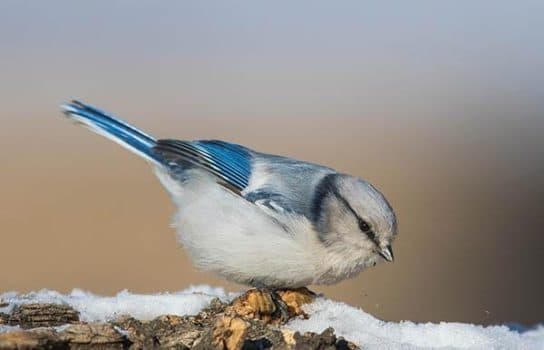
Field sparrow

House sparrow

Great tit
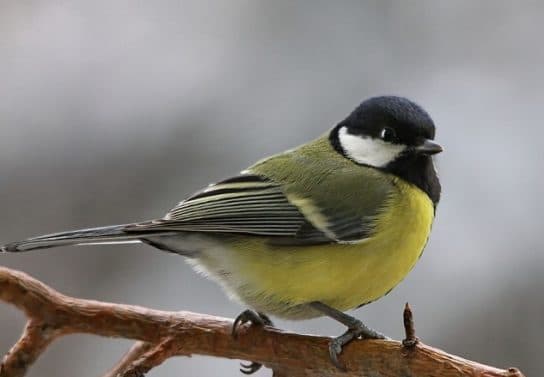
Tit Gaichka
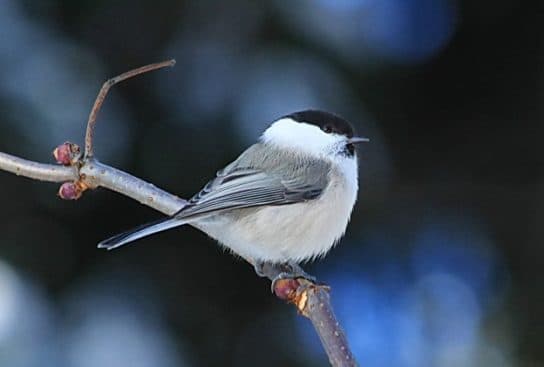
Pukhlyak (Brown-headed nut)
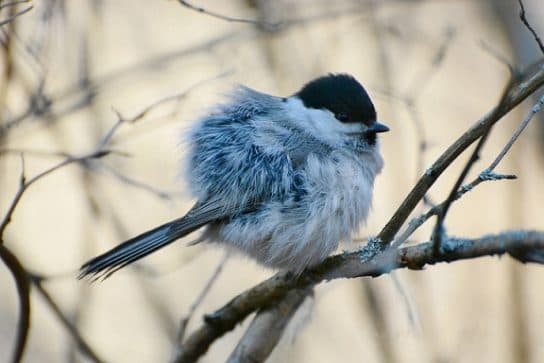
Bullfinch

Hoodie

Black Crow

Magpie
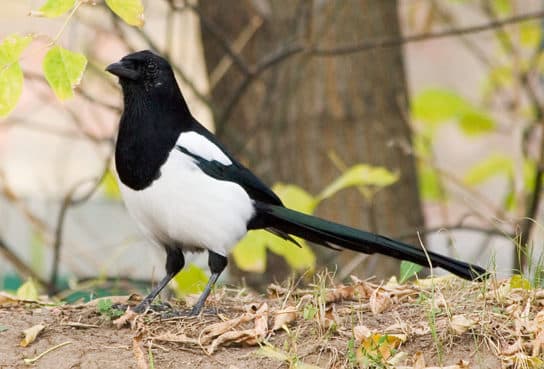
City dove

Vyakhir

Blue-eyed jackdaw

Nuthatch
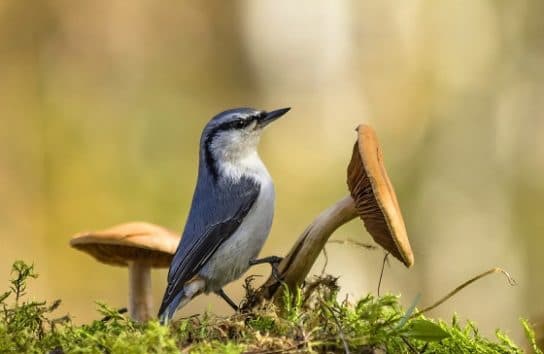
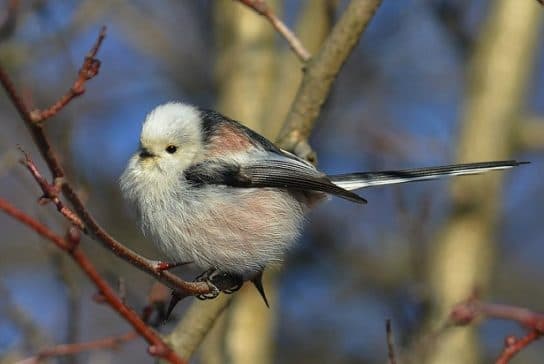
Long-tailed tit
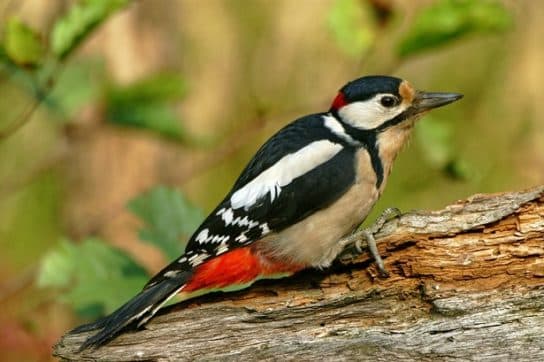
Great spotted woodpecker
Other types of urban birds
Middle spotted woodpecker

Lesser spotted woodpecker

White-backed woodpecker

Gray-headed woodpecker

Black woodpecker
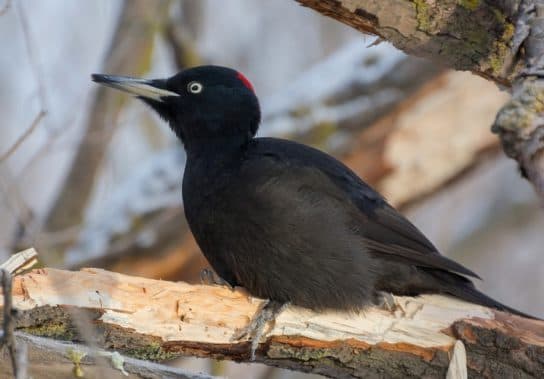
Green woodpecker

Jay

Chechetka

Click

Greenfinch
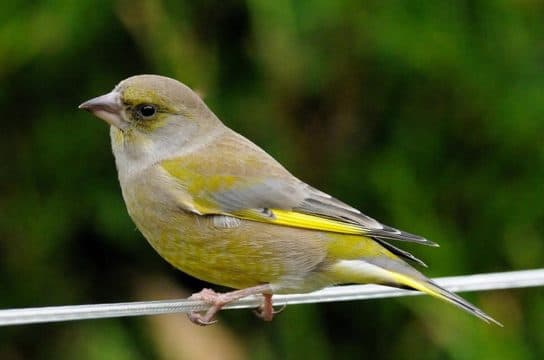
Pika

Blackbird
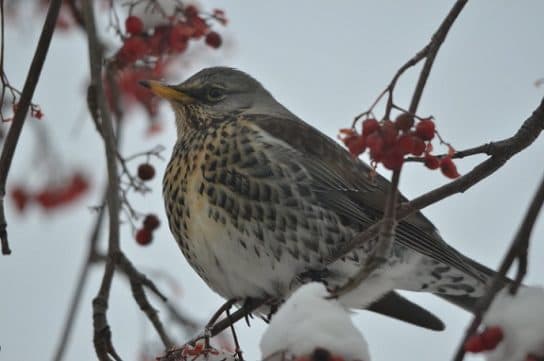
Blackbird

Common raven
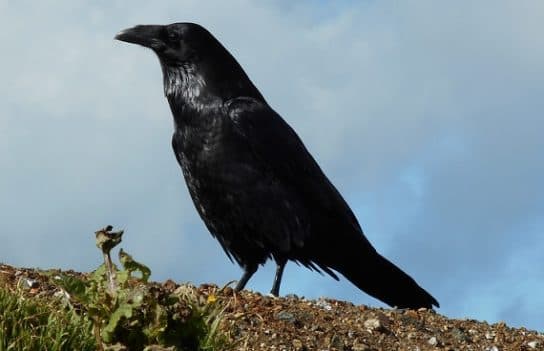
Sparrowhawk

Black grouse hawk

Orlan-belokhvost
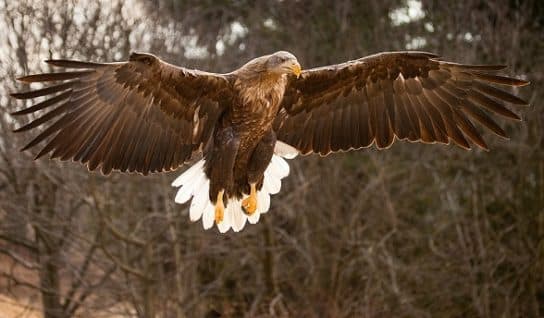
Sparrow owl
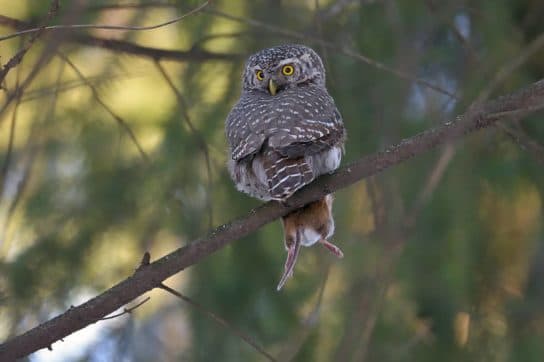
Long-tailed owl
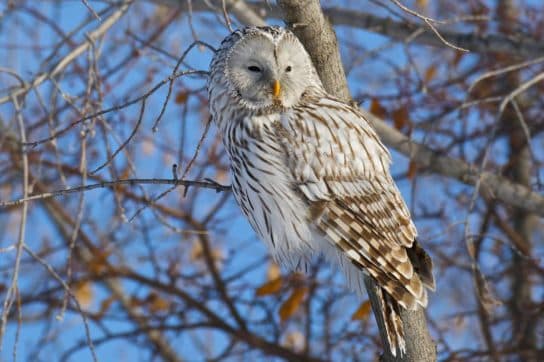
Schur (Finnish parrot) red – male

-yellow female

Rook
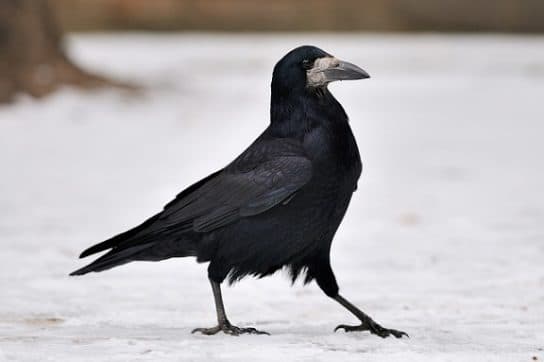
Finch

Mallard duck

Yellowhammer

Black-headed gull

Dubonos

Big nightjar
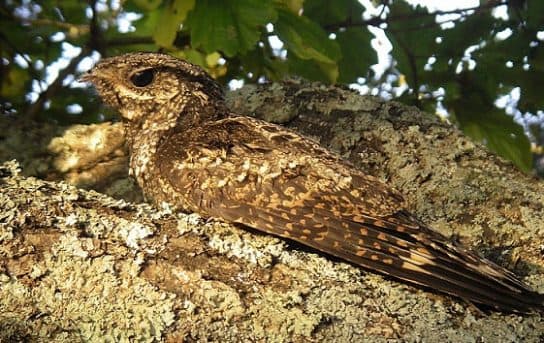
Small nightjar
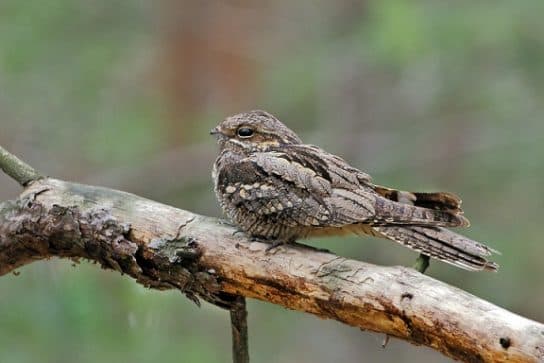
Owl nightjar

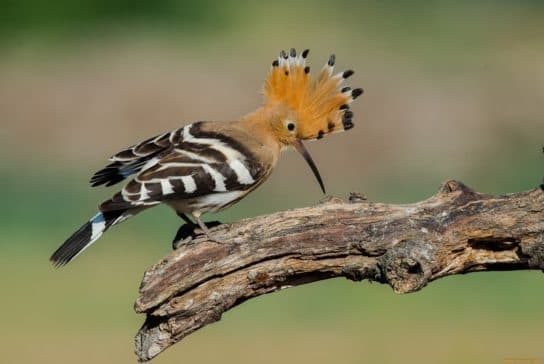
Hoopoe
Small swift
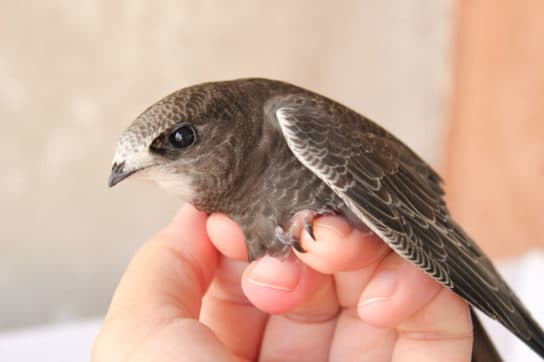
The stripe is white
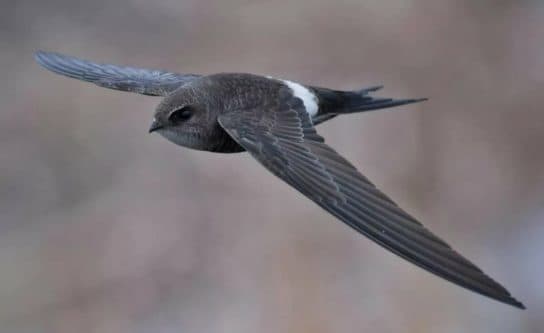
Martlet
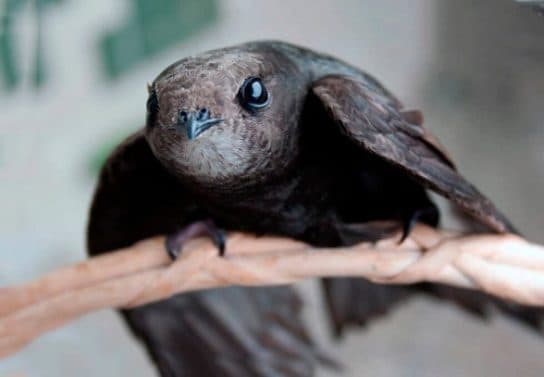
Lark
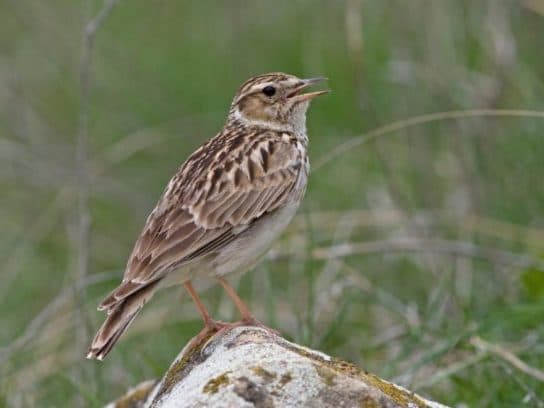
Waxwing

Gray flycatcher

Video about city birds
Conclusion
Many of the areas the cities are expanding into contain large numbers of wildlife. Clearing land for urban development destroys biodiversity. Maintaining it is important for the well-being of people and birds.
Large areas of land should be left untouched when planning new urban areas. Parks and open spaces provide shelter for birds and other wildlife.
In an urban environment, many bird species successfully live next to humans. The problem is that large and aggressive birds of prey drive out small relatives that feed on harmful insects.
