


Okra, also known as ladies’ fingers, is one of the favorite nutritious vegetables of the northeastern African continent. Usually its pods are harvested when they are still green and tender, in an immature stage. Nutritionists consider it to be a very useful and nutritious product and have been paying more and more attention lately. It is able to improve digestion, strengthen bones, and is good for the skin. It has beneficial properties for the cardiovascular system, lowers blood cholesterol levels, high blood pressure, strengthens the immune system. What kind of vegetable is it, what it looks like and where okra grows in our country, read on.
Okra what is it and where it grows
Okra belongs to vegetables. The plant is grown in tropical, subtropical and warm temperate regions around the world for its many nutrient-rich pods.
Botanically, okra belongs to perennial flowering plants of the Malvaceae family and the Abelmos genus. It is also known as ladies’ fingers, okra, gumbo (gomba), bhindi and scientifically called Abelmoschus esculentus. As a vegetable, it is grown as an annual crop. Okra is a fairly hardy plant that can grow even in relative drought and hot climates.
It is a small shrub, about 30-40 centimeters high. There are specimens reaching a height of 2 meters. Prefers well-drained and fertilized soils.
The leaves of the plant are quite large, dark green or green in color. It blooms in large flowers with 5 petals, white or yellow.
The first fruits ripen 45-60 days after flowering and are a ribbed, tapering green pod. Inside the pod there are many white and round seeds. They are plucked for consumption at the stage of incomplete ripeness.
Okra is native to the regions of tropical Africa. It grows wild in the Antilles. Today it is grown in both Americas and Europe. We have small okra plantations in the Stavropol and Krasnodar regions.
Okra is useful
The okra fruit is known for its nutritional value and has many properties. It contains a wide variety of substances, of which vitamins and minerals bring the main benefits. Okra contains:
Vitamins K, A, C, E, group B (thiamine, B6, folates);
Minerals calcium, iron, magnesium, potassium, zinc and others;
Alimentary fiber;
Protein;
Fats;
Carbohydrates;
Sahara.
Okra is also a source of antioxidant compounds. The seeds of the plant contain oligomeric catechins and flavonoid derivatives, the presence of which is associated with the possibility of okra being a good product for preventing the development of cancerous tumors.
Quercetin derivatives are present in it. Both the pods and the seeds of okra contain a number of phenolic compounds.
Based on the chemical composition, this vegetable culture, which is still exotic for us, has antioxidant, antimicrobial and anti-inflammatory properties.
As a vegetable, it is low in calories, which is only 33 kcal per 100 grams. Due to its low calorie content and the content of many essential substances for the body, okra is recommended in weight loss programs.
Okra beneficial properties
Providing low calorie content, okra is free of fat and cholesterol and is a rich source of dietary fiber, vitamins and minerals.
The pods contain mucus, which improves intestinal motility and can serve as a laxative to prevent and relieve constipation.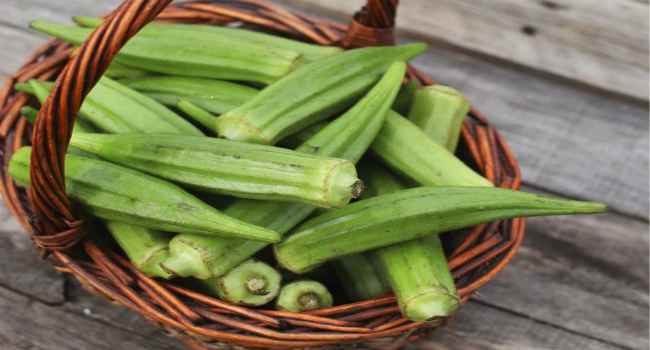
Fiber also feeds the beneficial bacteria in the gut by acting as a probiotic and helps maintain the pH balance of the digestive tract. By cleansing the intestines, fiber can also help prevent cancer.
As many studies show, a diet rich in dietary fiber lowers blood cholesterol levels, which in turn reduces the risk of heart disease, blood vessels, obesity, and diabetes.
Abelmos contains vitamin A, which is a powerful antioxidant. In addition, it contains other antioxidant and flavonoid compounds such as beta-carotene, lutein, xanthine. All these compounds are necessary for maintaining good vision, preventing the development of cataracts, and maintaining healthy skin. In addition, consuming foods rich in flavonoids helps protect against lung and oral cancer.
As a good source of vitamin C, okra strengthens the immune system, protecting against respiratory and viral diseases. It is useful for reducing asthma symptoms and acts as an anti-inflammatory agent. A serving of okra can provide approximately 33 percent of your daily need for vitamin C. In addition, this vitamin is an antioxidant and helps to resist the oxidative effects of free radicals.
Okra pods are a good source of folate. 100 gamma contains about 22 percent of the daily value of an adult. Folic acid is especially important during conception and gestation, helping to prevent the development of neural tube defects in the fetus.
Vitamin K is a blood clotting cofactor and is essential for strengthening bones. It helps in the absorption and assimilation of calcium, which can be a good prevention of osteoporosis in old age.
Okra can stabilize blood sugar levels by slowing down its absorption in the intestines.
Okra benefits for the body and health
A decoction of young okra pods is used to treat inflammation of the mucous membrane, especially when it is associated with the respiratory system, accompanied by abundant mucus secretion.
Okra juice is used to treat sore throats and coughs.
The decoction of the leaves has diuretic properties and is used for urinary problems such as inflammation and even inflammation associated with gonorrhea and syphilis. Use a decoction for headaches, arthritis, fever.
The leaves and roots of the plant are used as a poultice for wounds, and the leaves help relieve inflammation.
The juice is a good remedy for diarrhea, relieves painful spasms.
Okra pods are eaten to prevent premature ejaculation.
The seeds are used to treat and prevent muscle cramps, while the fried seeds stimulate sweating.
The juice can be used to relieve itchy skin and be used as a moisturizer to prevent acne.
Contraindications and harm
For some people, consuming okra in large quantities can have adverse effects.
While it can prevent constipation, it contains polysaccharides (fructans) that can cause diarrhea, gas, cramping, and bloating in people with bowel problems. The most prone to this is people who have been diagnosed with irritable bowel syndrome.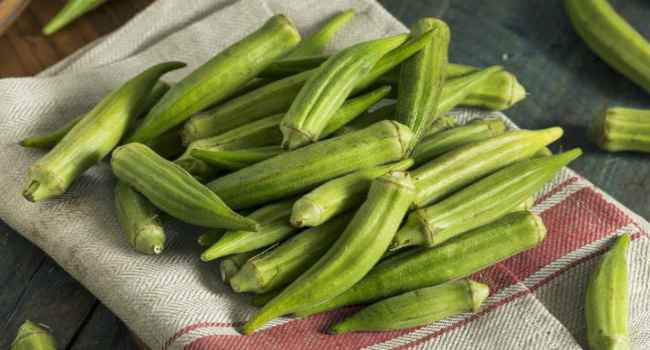
It is worth refraining from its consumption for people with kidney problems, as it can provoke the formation of oxalates.
It contains such a substance as solanine. It is a toxic compound that can exacerbate arthritis and other inflammations.
Limiting the consumption of this vegetable crop is necessary for those who take blood thinners, since it contains a lot of vitamin K.
People who are prone to blood clots need to be approached with caution, so they should not drastically change the amount of vitamin K intake.
How to choose and store okra
Okra pods can be found in stores and on the market almost all year round. They have an attractive rich green color and a neutral scent. When buying fresh, choose young, tender but firm ones. Checking their freshness is easy: fresh pods break well in half. Avoid those that are already ripe, discolored, wrinkled, soft, stained, fractured, or otherwise carelessly stored.
Unfortunately, fresh okra does not last long. It needs to be eaten within 2-4 days. If you do not fit during this period, it is better to freeze the pods. After purchase or collection, it must be immediately placed in the refrigerator. Otherwise, the pods will become slippery and mold quickly.
Okra use in cooking
Okra grows easily in warm climates. To maintain the best nutritional value of okra, it is best not to cook it for a long time. Do not wash the pods until you are cooking.
Ladies’ fingers are used in salads, soups, stews, meat dishes. It is fried, boiled and pickled. Okra goes well with many vegetables, meat, rice.
Rinse the pods thoroughly in cold water before cooking to remove any dirt. In addition, grown commercially, it may contain pesticide and herbicide residues.
Using a sharp knife, cut the base of the pod (although this is not necessary) and slice the pods.
When cutting, slimy juice is released from the pods, which thickens sauces, soups, meat dishes. When dried, it can be used as a thickener in sauces and as a substitute for egg whites.
Roasted and ground seeds can be a substitute for caffeine-free coffee.
And for those who do not like a jelly-like consistency, it can be cooked as a whole.
Okra can be a delicious addition to fried chicken and other fried foods.
In the Caribbean, it is often served with fish and added to soup.
Braised lamb or beef with okra is a traditional and popular dish in Egypt.
Its young, tender leaves can be used in the same way as beet, nettle or dandelion leaves.
In conclusion, it should be noted that for the majority, this vegetable crop, which is still uncommon in our country, is a useful nutritious product. It contains many different nutrients that our body needs to function properly and can make our diet more varied.
Learn more about the health benefits of okra, how to choose and eat it.
